4 min read • 659 words
Introduction
In a sweeping move to counteract the financial devastation wrought by global trade disputes, the U.S. Department of Agriculture has deployed a massive financial rescue for the nation’s agricultural heartland. The long-anticipated details reveal a starkly uneven landscape of relief, with rice and cotton producers positioned to receive the most substantial government payments per acre, a decision already sparking debate across the farm belt.

The Breakdown of a Billion-Dollar Bailout
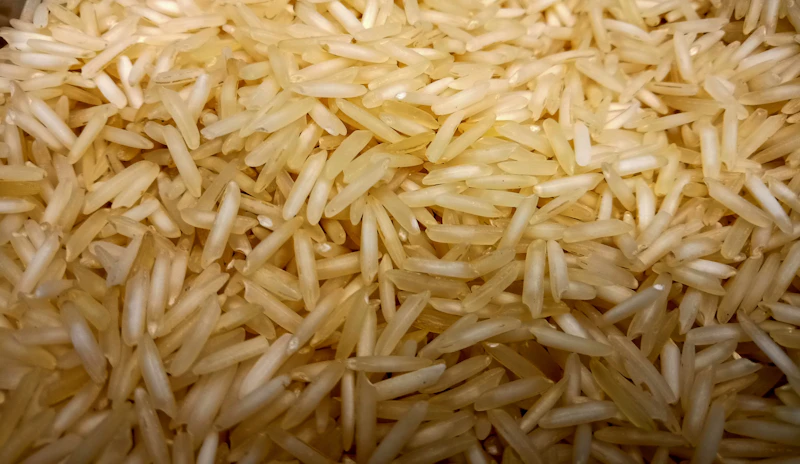
The Market Facilitation Program, a cornerstone of the $12 billion package, operates on a direct payment system calculated per acre. Initial payment rates place rice at $1.65 per hundredweight and cotton at 6 cents per pound, figures that translate to significantly higher per-acre payouts compared to major row crops. For a typical rice farm, this could mean tens of thousands of dollars in immediate aid, a critical infusion for a sector heavily reliant on export markets now constrained by tariffs.
Why Rice and Cotton Took Top Tier
Agricultural economists point to a clear rationale behind the tiered payment structure: direct export vulnerability. U.S. rice, with nearly half of its production historically destined for international markets, faces immediate threats from retaliatory tariffs in key regions. Similarly, cotton, a global commodity where the U.S. is a leading exporter, has seen its international sales channels severely disrupted, leaving vast inventories and depressing prices for American growers.
The Ripple of Retaliation
The aid package is a direct response to counter-tariffs imposed by China, the European Union, and others, targeting iconic American agricultural products. Soybeans, pork, and dairy have become potent symbols in the trade conflict. However, the calculated payment model aims to compensate for specific, demonstrable price depressions linked to the trade war, a metric where rice and cotton showed acute damage, justifying their elevated relief status in the USDA’s analysis.
Mixed Reactions from the Fields
Reaction from farming communities is deeply divided. In the rice fields of Arkansas and the cotton plains of Texas, the announcement is viewed as a necessary lifeline. “This isn’t a handout; it’s damage compensation,” one Louisiana rice farmer stated. Conversely, soybean growers in the Midwest, who are facing perhaps the most publicized trade losses, express frustration at receiving lower per-acre payments despite massive market upheaval.
The Historical Context of Farm Aid
This intervention invites comparison to past government farm supports, like the direct payments of the 1996 Farm Bill or the disaster relief following the 1980s farm crisis. Yet, experts note a key distinction: this package is explicitly framed as short-term, transactional relief for man-made trade policy impacts, not for poor weather or chronic low prices. It sets a precedent for tying federal aid directly to geopolitical decisions.
Legal and Market Implications
The program’s structure, particularly the high payments to cotton, is under scrutiny. Some trade analysts warn it could provoke new challenges at the World Trade Organization, potentially seen as a distorting subsidy. Domestically, there are concerns about influencing planting decisions for the 2019 season, as farmers might be tempted to shift acreage toward crops with demonstrated higher government support in a trade war scenario.
Looking Beyond the Immediate Check
While the direct payments provide urgent cash flow, farm advocates and bankers emphasize they are a stopgap, not a solution. “This helps pay the note at the bank this fall, but it doesn’t rebuild lost markets,” an agricultural lender in Kansas commented. The long-term health of U.S. agriculture, they argue, depends on reopening and securing stable trade relationships, not on annual bailout packages.
Conclusion: A Temporary Fix for a Deepening Challenge
The unveiling of the aid package details marks a pivotal moment, revealing the administration’s prioritization within a wounded agricultural economy. While rice and cotton growers receive a crucial buffer, the program underscores the profound and uneven consequences of the ongoing trade conflicts. As farmers deposit their relief checks, the overarching question remains whether this financial bridge will lead to reopened markets or simply extend the uncertainty, making federal trade war relief a recurring line item in the budget of American agriculture.