Introduction
In a high-stakes geopolitical maneuver that reshaped the digital landscape, TikTok has emerged from the brink of a U.S. ban not by retreating, but through a radical corporate metamorphosis. The creation of TikTok USDS Joint Venture LLC, finalized in December, represents one of the most complex tech deals in history, blending national security, data sovereignty, and global commerce into a fragile new entity. This unprecedented structure aims to satisfy Washington’s demands while preserving the app’s cultural dominance.

The Deal That Defused a Digital Cold War
The agreement, set to formally close on January 22nd, 2026, establishes a U.S.-led corporate shield around the app’s domestic operations. Oracle, Silver Lake, and MGX are now part-owners of this new venture, which will independently manage American user data, content moderation, and platform security. This structure is a direct response to the “divest-or-ban” law that took effect in January, a legislative move born from bipartisan fears over ByteDance’s Chinese ownership and potential data vulnerabilities.
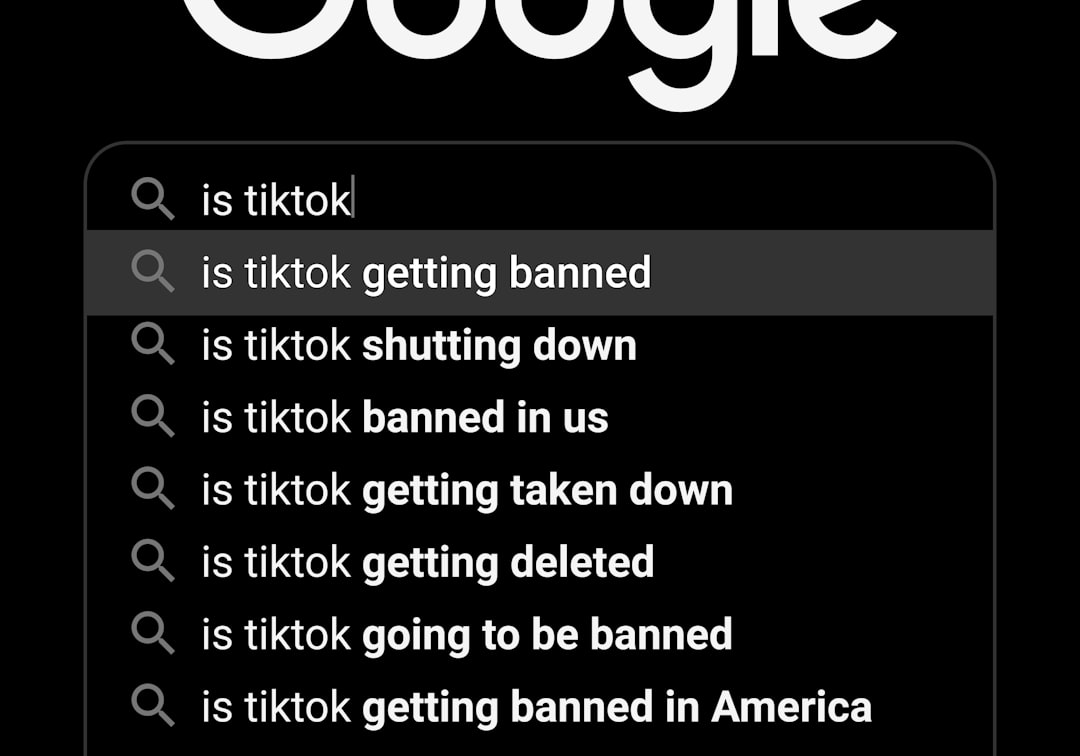
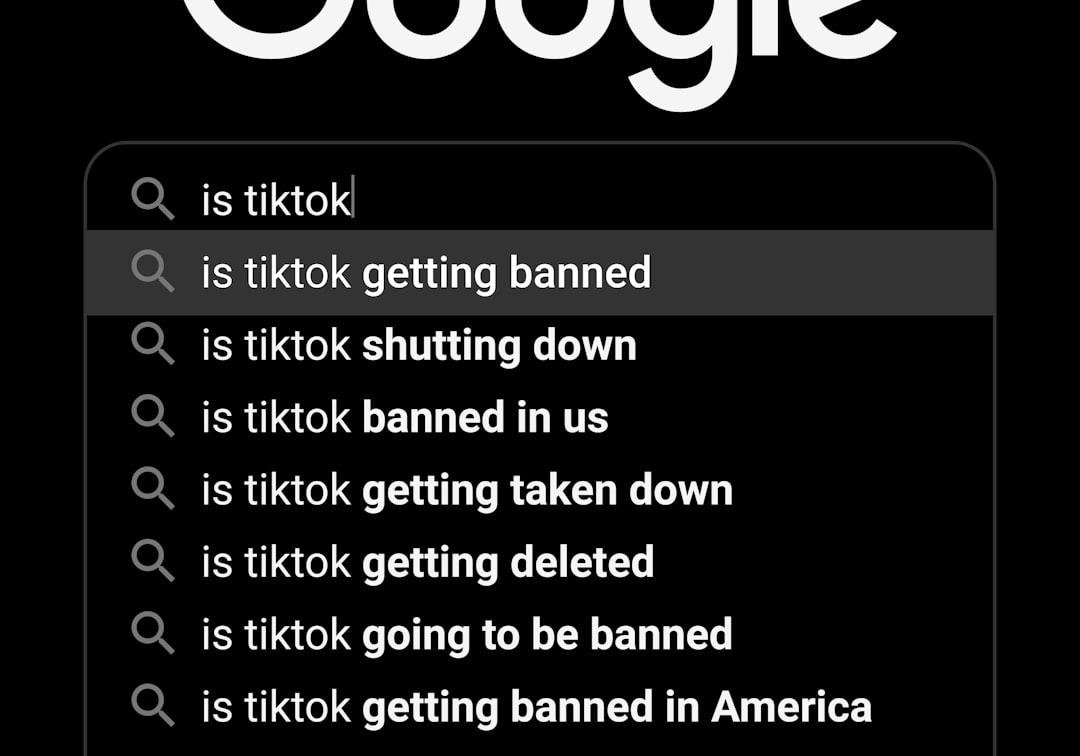
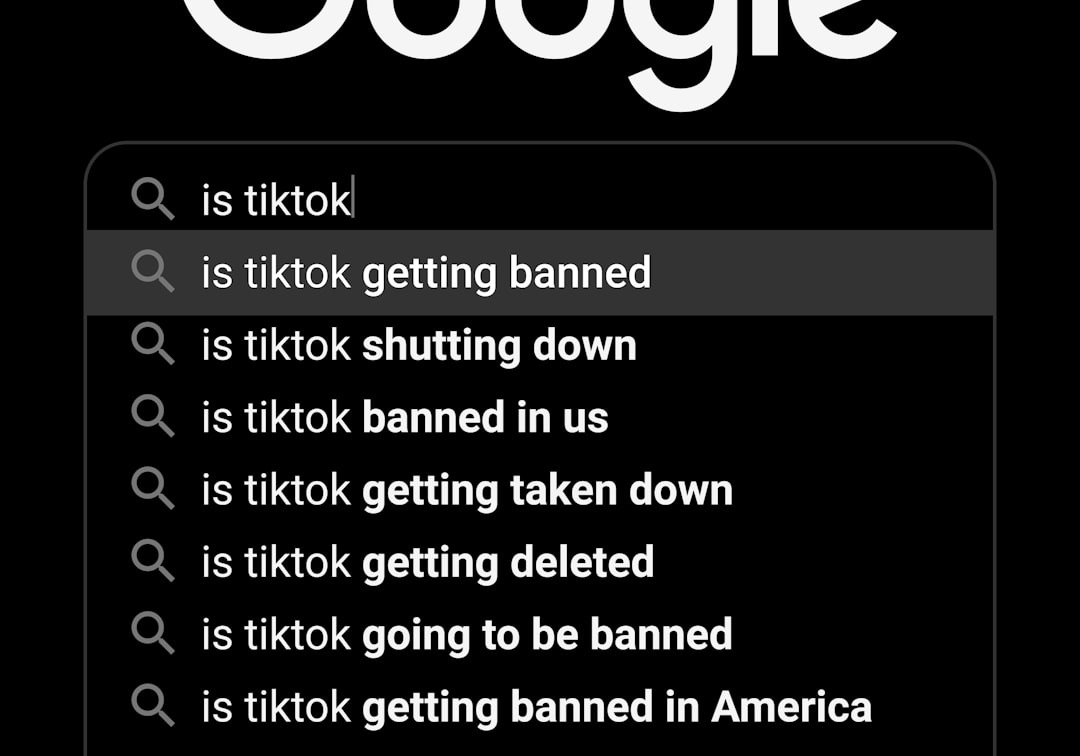
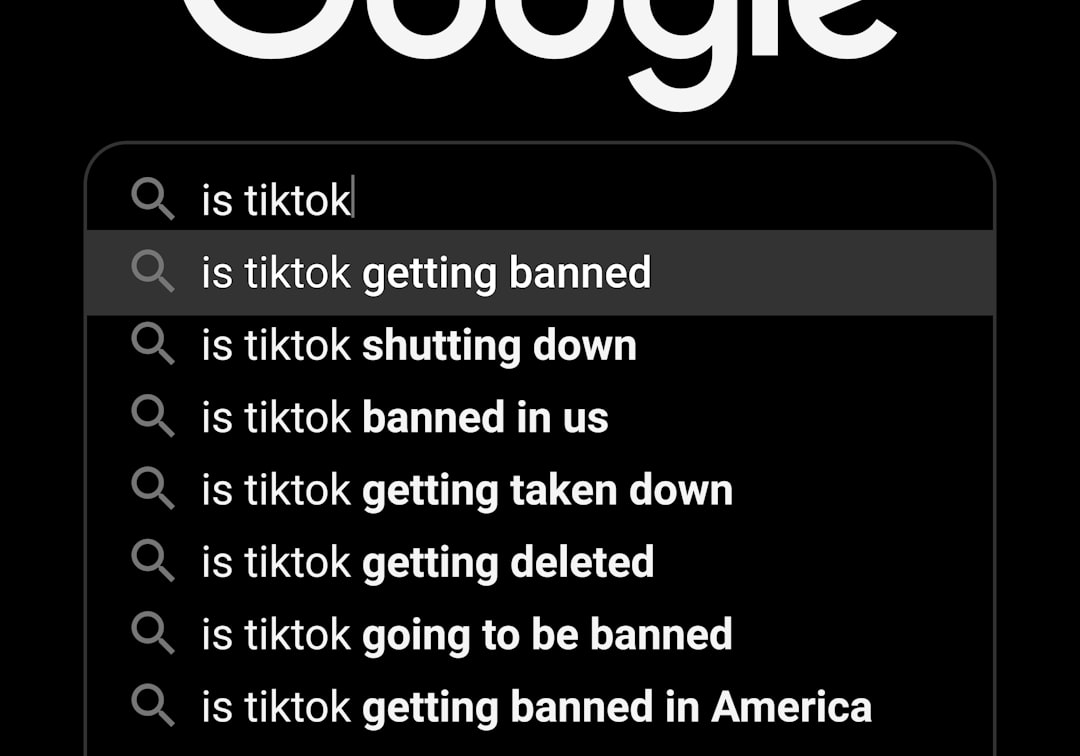
For months, the app’s status swung wildly between accessible and obsolete in U.S. app stores, a visible symptom of tense negotiations. The rollercoaster culminated in CEO Shou Zi Chew’s internal announcement, framing the joint venture as a “new chapter” that severs operational control from Beijing. This delicate compromise aims to placate security hawks without triggering a full-scale tech decoupling, setting a controversial precedent for how nations assert digital sovereignty.
Oracle’s Guardianship and the Algorithmic Firewall
Central to the deal is Oracle’s role as the technological custodian. The cloud giant will house all U.S. user data on its domestic servers and vet the app’s core recommendation algorithm. This “re-trained” algorithm, a black box of code that dictates the viral For You Page, will be scrutinized for any potential manipulation. The goal is to create a verifiable wall between American operations and ByteDance’s engineering teams in China.
However, experts question whether an algorithm can be truly neutered or nationalized. Its effectiveness relies on constant learning from user behavior, a process inherently difficult to isolate. The arrangement places immense trust in Oracle’s ability to police code in real-time, a task with few precedents. This technological guardianship forms the bedrock of the national security argument for the deal’s viability.
The Political Whiplash: From Ban to Bargain
The path to this deal was anything but linear, marked by dramatic political reversals. The original legislative push gained ferocious momentum amid concerns over data privacy and foreign influence. Yet, enforcement was consistently delayed through presidential extensions, revealing deep divisions even among the law’s proponents. Some lawmakers admitted confusion over the endgame, highlighting the complex interplay between security policy and economic reality.
Former President Donald Trump’s role proved particularly pivotal, his stance evolving from advocating a ban to signing a “Saving TikTok” order that paved the way for negotiations. This shift underscored the app’s immense economic and cultural weight, with millions of American creators and small businesses dependent on its platform. The political calculus ultimately favored a controlled restructuring over a disruptive ban.
Global Ripples and the New Tech World Order
TikTok’s U.S. reinvention sends shockwaves far beyond its own servers. It establishes a potential blueprint for how other democracies might handle dominant apps from geopolitical rivals, a model of “walled governance.” Nations from the EU to India are watching closely, weighing similar demands for localized data and algorithmic transparency. This deal could accelerate the fragmentation of the global internet into sovereign digital zones.
For China, the forced divestment of TikTok’s U.S. operations is a significant concession, albeit one that preserves the app’s financial value and global presence outside America. It reflects a pragmatic approach to retaining access to Western markets amid escalating tech tensions. The outcome demonstrates that even in an era of strategic competition, corporate and national interests can forge convoluted, hybrid solutions.
Unanswered Questions and Looming Challenges
Despite the signed agreements, critical ambiguities remain. The exact governance structure of the joint venture, particularly how disputes between American and Chinese stakeholders will be resolved, is still being finalized. The financial terms, including the flow of revenue and the valuation of the algorithm’s IP, are complex and largely undisclosed. Furthermore, the two-year runway to the 2026 closing date leaves ample time for political or regulatory shifts to unravel the delicate pact.
User trust presents another hurdle. Will the American public perceive the “new” TikTok as truly secure, or will the shadow of its origins linger? Content creators and advertisers, who require stability, now face a prolonged transition period. The deal’s success hinges not just on technical compliance, but on maintaining the vibrant community that made the app indispensable in the first place.
Conclusion: A Precarious New Normal
TikTok’s journey from banned app to jointly-managed platform is a landmark moment in the geopolitics of technology. It has not been eliminated but institutionalized, its operations fractured along national lines. This outcome suggests that in today’s interconnected world, outright bans are often less feasible than intensely managed compromises. The TikTok USDS Joint Venture will now serve as a grand experiment in hybrid tech governance, its performance scrutinized by governments, corporations, and users worldwide.
The ultimate test will come in 2026 and beyond, as this novel structure faces real-world stresses—from evolving security threats to shifting political winds. One thing is certain: the era of borderless social media is over, replaced by a new paradigm where every byte of data and line of code carries the weight of national interest. TikTok’s American reinvention is just the first chapter in this much larger story.