Introduction
In a landmark resolution to a years-long geopolitical standoff, TikTok has officially charted its American future. The social media giant, once facing an outright ban, will now operate under a novel joint venture structure, fundamentally altering its governance and data flows. This unprecedented deal signals a new era where global tech platforms must navigate the complex terrain of national security and digital sovereignty.

The Anatomy of a $60 Billion Compromise
The core of the agreement, finalized in mid-December, establishes TikTok US Data Security (USDS) Joint Venture LLC. Oracle, the cloud computing giant founded by Larry Ellison, will hold a controlling stake, joined by investment firms Silver Lake and MGX. This consortium is paying a reported $60 billion for the privilege of shepherding TikTok’s U.S. operations into a new, compliant era, with the deal set to formally close on January 22nd, 2026.
For the app’s 170 million American users, the changeover is designed to be seamless. The familiar interface and addictive “For You” feed will remain. Behind the scenes, however, a tectonic shift occurs. Oracle will house all U.S. user data on its domestic servers, creating a so-called “walled garden” separate from ByteDance’s infrastructure in Beijing. This directly addresses the primary concern of U.S. intelligence agencies.
From Ban to Bargaining Chip: A Timeline of Tension
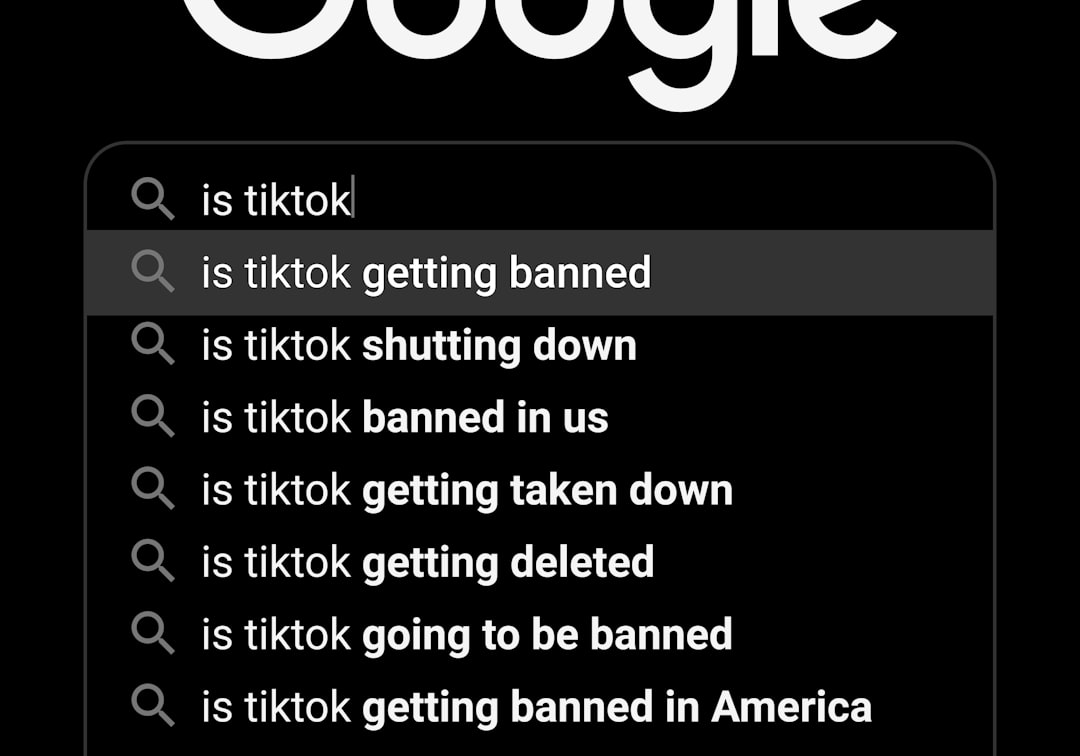
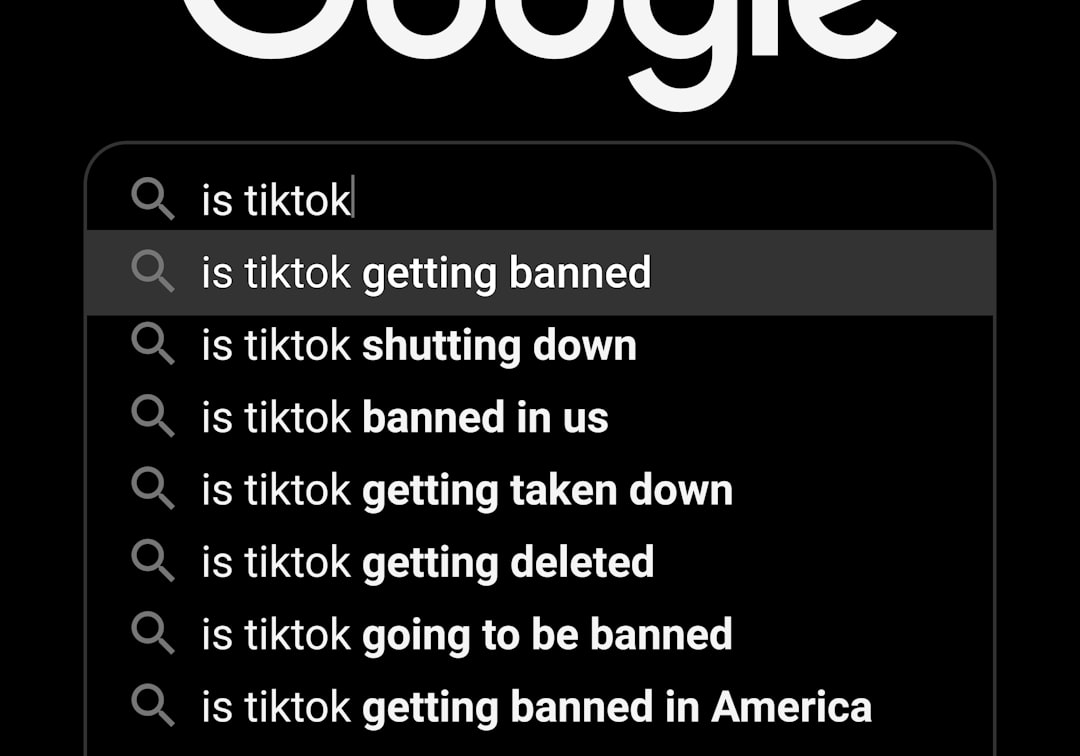
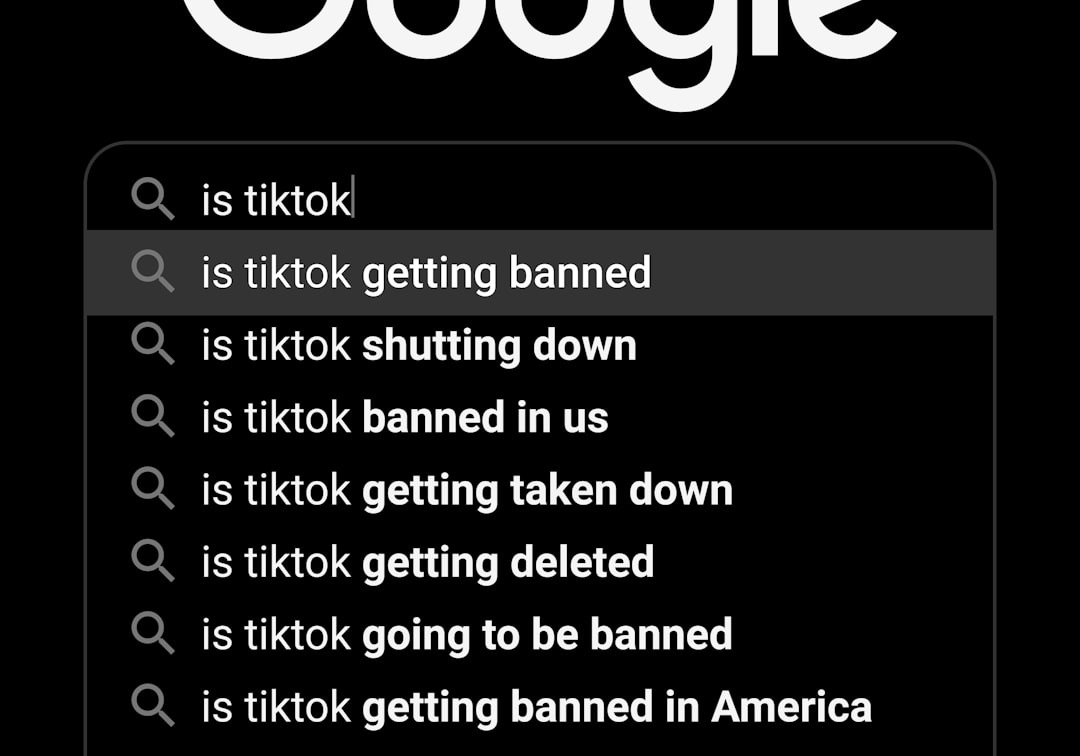
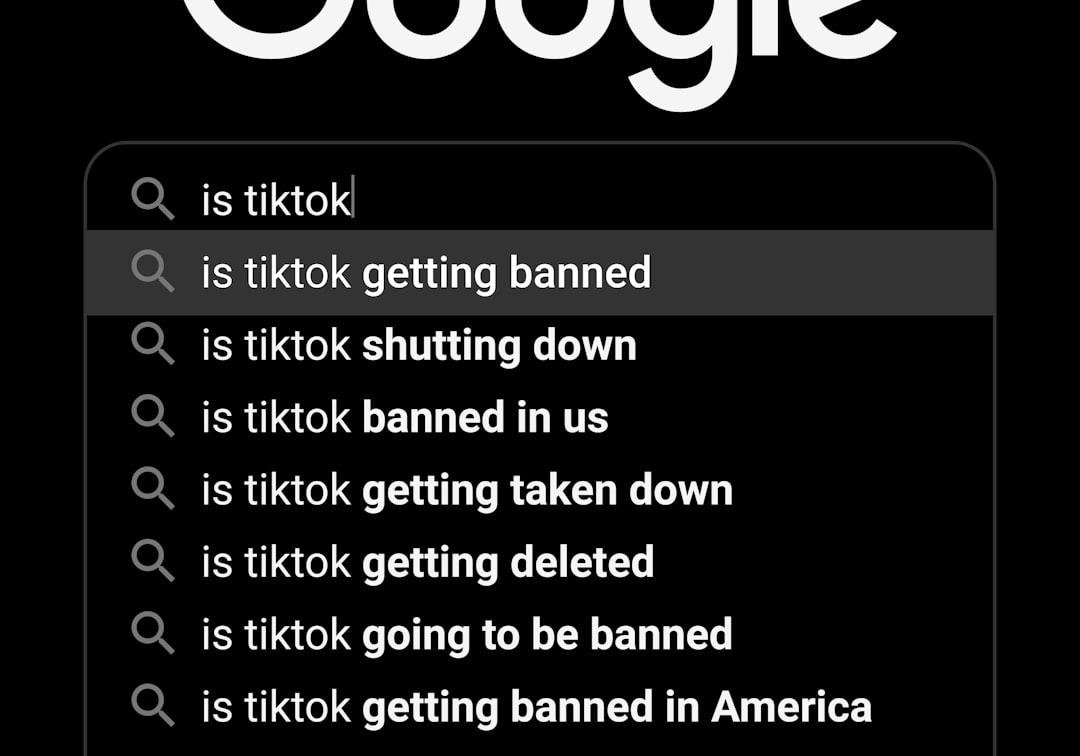
The path to this deal was fraught with political drama. The “Protecting Americans from Foreign Adversary Controlled Applications Act,” effective January 19th, presented ByteDance with a brutal ultimatum: divest TikTok’s U.S. operations or face a ban. The app briefly vanished from U.S. app stores, causing widespread user panic and highlighting its entrenched cultural position.
Negotiations, shrouded in secrecy, unfolded against a backdrop of escalating U.S.-China tech rivalry. Former President Donald Trump, who once sought to ban the app, later signed a series of extensions, pausing enforcement and advocating for a sale that would generate a “tremendous fee” for the U.S. Treasury. This political volatility left even the law’s authors uncertain of its ultimate outcome.
The Algorithmic Heart Transplant
The most delicate part of the deal concerns TikTok’s core intellectual property: its recommendation algorithm. U.S. officials feared this system could be manipulated to spread propaganda or suppress content. The solution is a “retrained” algorithm. Oracle engineers, working with a vetted team, will rebuild the system’s core logic on U.S. soil, ensuring its operations are transparent and auditable by a newly formed oversight board.
This process is unprecedented. Moving a proprietary, billion-user algorithm is akin to performing a heart transplant while the patient runs a marathon. The success of this technical migration will determine whether the U.S. version retains the engaging, hyper-personalized content flow that made it a global phenomenon, or if it becomes a ghost of its former self.
Stakeholders and Skeptics: Who Wins?
The Biden administration frames this as a national security victory. “We have secured a path where Americans can continue to use TikTok without their data being subject to the PRC’s national security laws,” a senior official stated. Oracle emerges as the clear commercial winner, gaining control of a flagship social platform and a massive, long-term cloud hosting contract.
ByteDance, while relinquishing direct control, avoids a catastrophic ban and secures a massive payout. However, critics in Congress argue the joint venture structure is a loophole. “This is a glorified hosting agreement,” one senator contended. “If ByteDance still profits and influences the parent company, the fundamental threat isn’t resolved.” Privacy advocates also question if moving data to Oracle, a longtime Pentagon and CIA contractor, simply shifts surveillance risks.
The Global Ripple Effect
The TikTok precedent is being watched closely from Brussels to New Delhi. The European Union, with its strict GDPR laws, may push for similar “sovereign” data arrangements. Other Chinese-owned apps, like Shein and Temu, could face intensified scrutiny. The deal effectively creates a new template for managing globally popular apps originating from geopolitical adversaries, blending forced divestment with stringent operational oversight.
Internally, TikTok faces a cultural reckoning. Its content moderation, now under the joint venture’s purview, will be scrutinized for bias. Past controversies, such as accusations of suppressing Palestinian content, will face new audit standards. The company must balance its reputation for creative freedom with the demands of its new, security-focused ownership.
Conclusion: A New Model for a Fractured Internet
The TikTok deal does not end the U.S.-China tech cold war; it establishes its first major treaty. It proves that outright decoupling is often impractical for deeply integrated digital services, forcing nations to innovate with complex, hybrid solutions. The coming years will test whether this joint venture can truly firewall data and algorithm from foreign influence while preserving the app’s essence.
The ultimate success will be measured in 2026 and beyond. If the U.S. TikTok thrives independently, it will become a global model. If it stumbles or if security breaches occur, calls for a cleaner, more absolute ban will resurface with greater force. TikTok’s American reinvention is not just a corporate restructuring—it is a high-stakes experiment in the future of a splintering global internet.