Introduction
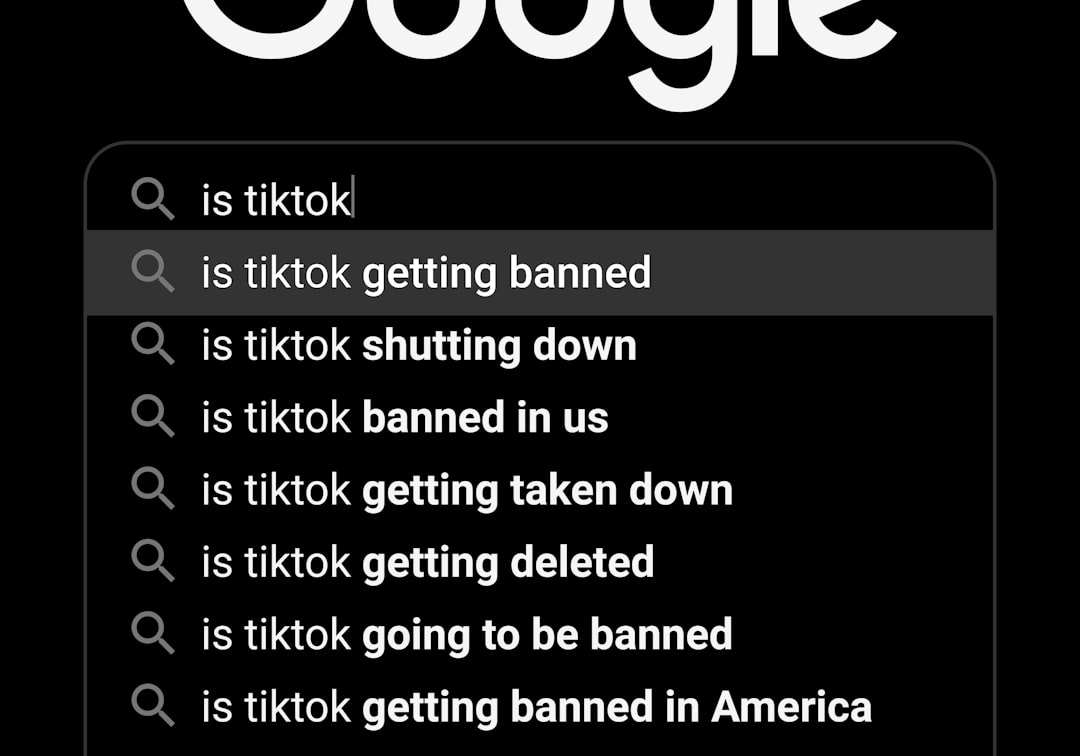
In a landmark resolution to a years-long geopolitical standoff, TikTok has officially charted a new course on American soil. The social media giant, once threatened with extinction in the U.S., is now being reborn through an unprecedented corporate and technological restructuring. This deal doesn’t just save an app; it forges a new template for global tech in an age of digital nationalism.

The Anatomy of a $60 Billion Compromise
The core of the agreement, finalized in mid-December, establishes TikTok USDS Joint Venture LLC. This new entity, with a staggering valuation estimated near $60 billion, transfers operational control to a consortium of American heavyweights. Oracle secures a pivotal role in housing and securing U.S. user data on its cloud infrastructure.
Venture capital firms Silver Lake and MGX join as part-owners, injecting capital and oversight. Crucially, ByteDance retains a significant, though non-controlling, stake. This intricate shareholding structure was the product of intense, secretive negotiations between Washington and Beijing, balancing national security demands with commercial realities.
From “Divest or Ban” to a Data Fortress
The journey here was fraught. The “Protecting Americans from Foreign Adversary Controlled Applications Act” mandated a sale or faced a ban. TikTok’s brief disappearance from U.S. app stores in January sent shockwaves through its 170 million-strong user base and the influencer economy it sustains. Its swift return signaled a temporary reprieve, but the sword of Damocles remained.
CEO Shou Zi Chew’s internal letter to employees outlined the new venture’s mandate: total oversight of U.S. data protection, a “newly-retrained” recommendation algorithm, content moderation, and platform deployment. This creates a so-called “walled garden,” where the U.S. operation is technically and legally firewalled from its Chinese parent.
Oracle’s Crown Jewel: The Algorithmic Black Box
The most sensitive component is TikTok’s famed “For You” page algorithm. Under the deal, Oracle will not just host the code but actively participate in its ongoing management and retraining. The goal is to ensure its operations are transparent to U.S. auditors and insulated from potential foreign influence.
This move addresses core intelligence community fears that the algorithm could be manipulated for propaganda or data harvesting. However, it raises complex questions about intellectual property and the feasibility of truly isolating a machine-learning system that historically improved through global data.
A Political Football Kicked Across Administrations
The TikTok saga became a rare point of bipartisan, and then intraparty, contention. Initially championed by the Trump administration, the push for a ban found renewed vigor under Biden. In a dramatic twist, former President Trump later reversed his stance, signing a series of extensions and a “Saving TikTok” order, citing economic and free speech concerns.
This political volatility left lawmakers, as some reports noted, confused about the deal’s status. The final agreement, expected to close by January 22nd, 2026, provides a concrete, albeit delayed, endpoint to the uncertainty that has plagued the platform for nearly four years.
The Global Ripple Effect: A New Precedent for Tech
This resolution sets a powerful international precedent. It demonstrates a third path between outright prohibition and unregulated access for apps from strategic competitors. Nations in Europe and Asia are now watching closely, potentially crafting similar “localized joint venture” models for foreign tech platforms.
For China, it represents a pragmatic concession, preserving economic value and a cultural foothold in the West. For the U.S., it asserts a principle of “digital sovereignty”—that the data and digital systems affecting its citizens must ultimately fall under its jurisdictional control, even if ownership is shared.
Challenges on the Horizon: Execution and Scrutiny
The deal’s success hinges on flawless execution. Migrating petabytes of data to Oracle’s cloud, auditing the algorithm’s code, and establishing a seamless yet independent content moderation team are Herculean technical tasks. Any misstep could trigger regulatory backlash or erode user trust.
Furthermore, the structure will face relentless scrutiny from Congress, privacy advocates, and competitors. Skeptics will question whether the firewall is truly impermeable and if the complex ownership dilutes accountability. The venture must operate with unprecedented transparency to survive this spotlight.
Conclusion: The Reckoning and the Rebirth
TikTok’s American reinvention is more than a corporate deal; it is a defining moment for the internet’s fracturing landscape. It proves that in an era of great power competition, even the most viral global platforms must localize their governance. The coming years will test if this hybrid model can satisfy security hawks, privacy advocates, and a generation of users who just want to scroll.
The ultimate outcome will shape not just the future of one app, but the rules of engagement for the next wave of global technology. TikTok’s U.S. journey from ban to bargain may well become the blueprint for a more fragmented, sovereignty-driven digital world.