Introduction
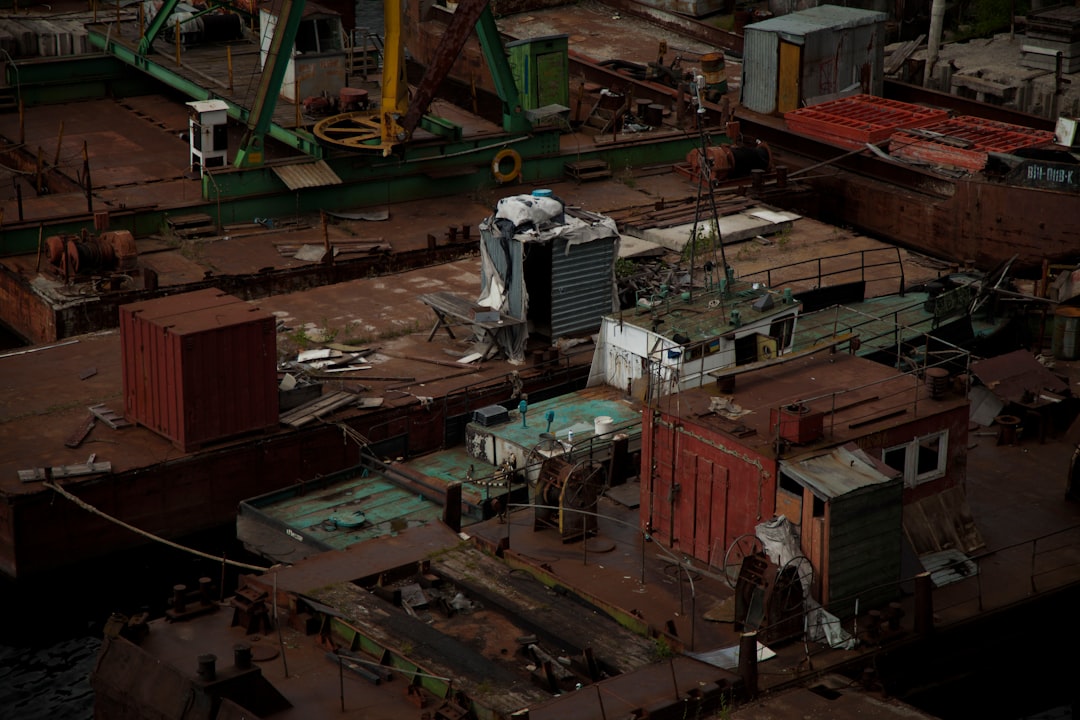
In the shadow of China’s colossal naval expansion, a clarion call echoes from Washington to the nation’s aging shipyards. The ambition is nothing less than a full-scale industrial revival, a bid to reclaim maritime supremacy not seen since World War II. Yet, the path from political promise to steel-hulled reality is fraught with decades of decay, global supply chain complexities, and a fierce race against time.

The Scale of the Challenge
The statistics paint a stark picture of decline. The U.S. Navy’s battle force has shrunk from nearly 600 ships in the late 1980s to under 300 today. Meanwhile, China’s People’s Liberation Army Navy has surged to become the world’s largest by number of hulls, launching vessels with a speed that dwarfs American production. U.S. shipyards, concentrated in a few key states, struggle with a withered workforce and limited dry dock space. Rebuilding this industrial base isn’t a simple policy shift; it’s a generational undertaking.
More Than Just Warships
The stakes extend far beyond naval power. A robust shipbuilding sector is the backbone of maritime economic security. It supports the construction and maintenance of the commercial vessels that carry over 90% of global trade. America’s Jones Act, requiring domestic build and crew for cargo moving between U.S. ports, is a lifeline for the industry. Its critics call it costly protectionism, while defenders see it as essential for maintaining a vital strategic asset that cannot be outsourced in a crisis.
The Workforce Crisis
Perhaps the most intractable hurdle is human capital. The skilled trades—welders, electricians, pipefitters—that once thrived in coastal cities have dwindled. An entire generation of expertise retired, with too few apprentices following. Reviving shipbuilding means launching a national campaign to rebrand these jobs as high-tech, stable, and patriotic careers. It requires significant investment in vocational training and partnerships with unions and technical colleges to build a pipeline from scratch.
The Ally Equation
No administration, regardless of party, can achieve this renaissance alone. Key allies with robust maritime industries, like Japan and South Korea, are seen as indispensable partners. Potential strategies include shared technology, co-production agreements, or even leveraging allied shipyards to supplement U.S. capacity for certain auxiliary vessels. This delicate dance requires balancing the urgent need for more hulls with the long-term goal of sovereign production, all while navigating complex diplomatic and protectionist sentiments.
Investment: The Fuel for Revival
Sustained, predictable funding is the non-negotiable prerequisite. Shipbuilding programs are notorious for cost overruns and delays, often victims of congressional budget cycles. Industry executives argue for multi-year procurement contracts that allow yards to invest in modern, modular construction techniques and supply chain stability. This financial commitment signals to private capital that the government is a reliable partner, enabling yards to retool and expand their physical infrastructure for the 21st century.
The Strategic Imperative
Beyond economics, the drive is fundamentally geopolitical. A dominant Chinese navy could challenge freedom of navigation, influence global trade routes, and alter the balance of power in the Indo-Pacific. American shipyards are thus recast as a critical component of national defense, as vital as any army base or airfield. The ability to rapidly build, repair, and sustain a fleet in a potential conflict is a deterrent in itself, making industrial capacity a direct element of military strategy.
Conclusion and Outlook
The quest to resurrect American shipbuilding is a monumental test of political will, industrial policy, and long-term vision. Success would yield a powerful triad: a stronger navy, a more resilient economy, and a reinvigorated skilled workforce. Failure risks ceding the oceans to a rival power and leaving the nation’s security and prosperity adrift. The coming years will determine whether the call to rebuild becomes a new American legacy or merely another echo in empty shipyards.