4 min read • 664 words
Introduction
For the eighth consecutive day, the thunder of artillery has replaced the whisper of wind through ancient temple stones along the Thai-Cambodian frontier. What began as a localized skirmish has escalated into a sustained military engagement, forcing thousands from their homes and casting a long shadow over regional diplomacy. This is not merely a border clash; it is the violent reawakening of a century-old dispute where history, nationalism, and sovereignty collide with devastating force.

A Sacred Flashpoint
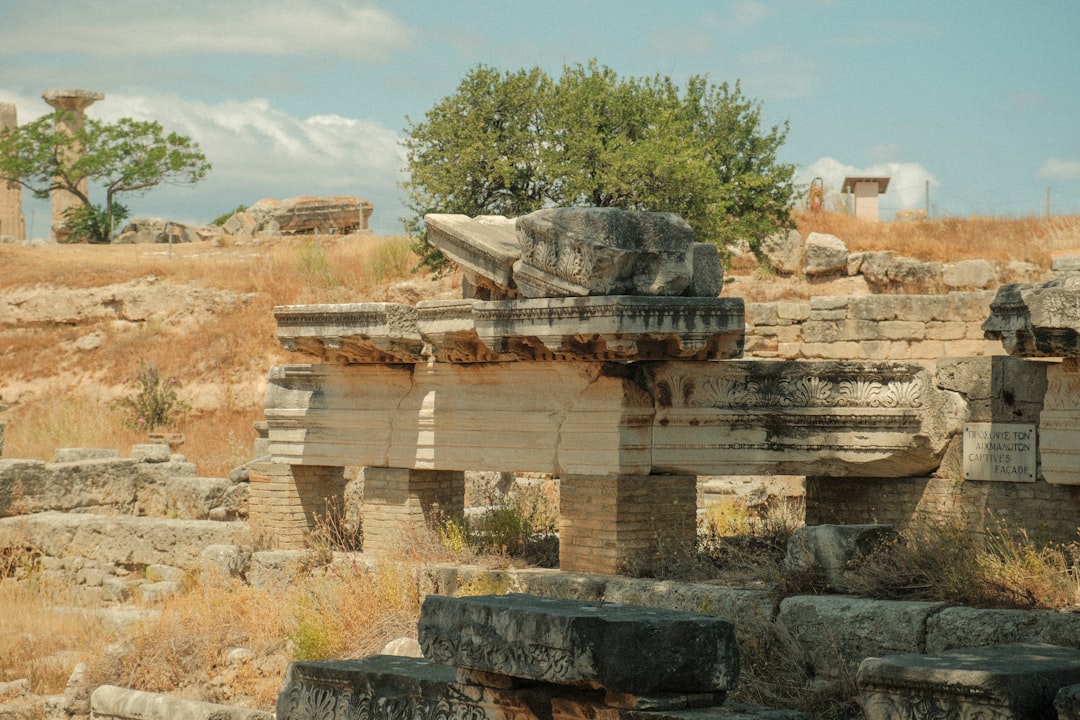
The epicenter of the conflict is the 11th-century Preah Vihear temple, a UNESCO World Heritage site perched on a cliff. Awarded to Cambodia by the International Court of Justice in 1962, the ruling left ambiguity over the surrounding 4.6 square kilometers of land. This legal gray zone has become a permanent military gray zone. Each nation’s claim is woven into its national identity, making compromise politically perilous for leaders in Bangkok and Phnom Penh.
From Sporadic Skirmishes to Sustained Conflict
While exchanges of fire have punctuated the border for years, the current intensity marks a dangerous shift. Military analysts note the use of heavy artillery, rockets, and sustained infantry engagements, suggesting a move beyond mere posturing. Casualty figures, though disputed by both sides, are confirmed to include soldiers and civilians, with villages on both sides now lying empty, their residents fleeing shelling that spares neither home nor historical monument.
The Human Cost Unfolds
Beyond the geopolitical rhetoric lies a humanitarian crisis. Aid agencies report over 50,000 people displaced, crammed into makeshift camps away from the border. “We left with nothing,” shared one evacuee from Surin province, Thailand. “The earth shook. We ran, not knowing if our home would be there tomorrow.” Hospitals in border provinces are on alert, treating shrapnel wounds and trauma, a stark contrast to the region’s usual stream of tourists.
Diplomatic Channels Under Strain
Regional efforts to quell the fighting have thus far yielded little. The Association of Southeast Asian Nations (ASEAN), which prizes consensus and non-interference, faces a severe test of its conflict-resolution capabilities. Indonesia, as current chair, has offered to send observers, but mechanisms for enforcement remain weak. Bilateral talks have collapsed as quickly as they were announced, with each government accusing the other of bad faith and aggression.
Nationalism Fuels the Fire
Domestic politics are a potent accelerant. In Thailand, the military-linked government faces pressure from ultra-nationalist “Yellow Shirt” groups to defend territorial integrity. In Cambodia, Prime Minister Hun Sen has framed the defense of Preah Vihear as a patriotic duty, a stance that consolidates his strongman image. This internal pressure creates a vicious cycle where diplomatic retreat is portrayed as weakness.
The Regional Ripple Effect
The instability threatens more than just the immediate border area. It disrupts vital cross-border trade, estimated at billions annually, and jeopardizes ASEAN’s ambitious economic community plans. Furthermore, it draws uncomfortable attention from global powers. China, a major benefactor to Cambodia, and the United States, a treaty ally of Thailand, are monitoring closely, their silence speaking volumes about the complexity of taking sides in this deeply rooted quarrel.
Historical Grievances, Modern Weapons
The conflict is a paradox of time. The core grievance stems from maps drawn by French colonial cartographers in the early 1900s. Yet, it is fought with 21st-century weaponry purchased by two rapidly modernizing militaries. This juxtaposition highlights how unresolved history can hijack the present. The temple itself, a symbol of harmony and divine connection, now sits scarred by shell fragments, a silent victim of the very divisions it once transcended.
Conclusion: A Path Forward or Deeper Entrenchment?
The outlook remains grim. With both sides digging literal and metaphorical trenches, a swift resolution seems unlikely. The most probable short-term scenario is a fragile, violence-interrupted ceasefire. For lasting peace, a multifaceted approach is needed: third-party mediated demarcation, a jointly administered buffer zone, and a conscious de-escalation of nationalist rhetoric. The world watches to see if leaders will choose the difficult path of dialogue or allow an ancient temple to remain a modern battleground, where the only victories are measured in ruins.