Introduction
The thunder of artillery has returned to a disputed jungle borderland, shattering a fragile calm. For over a week, clashes between Thai and Cambodian forces around the ancient Preah Vihear temple complex have displaced thousands and reignited a century-old territorial dispute. This resurgence of violence underscores how historical grievances and national pride continue to threaten regional stability in Southeast Asia.

A Sacred Site, A Bitter Dispute
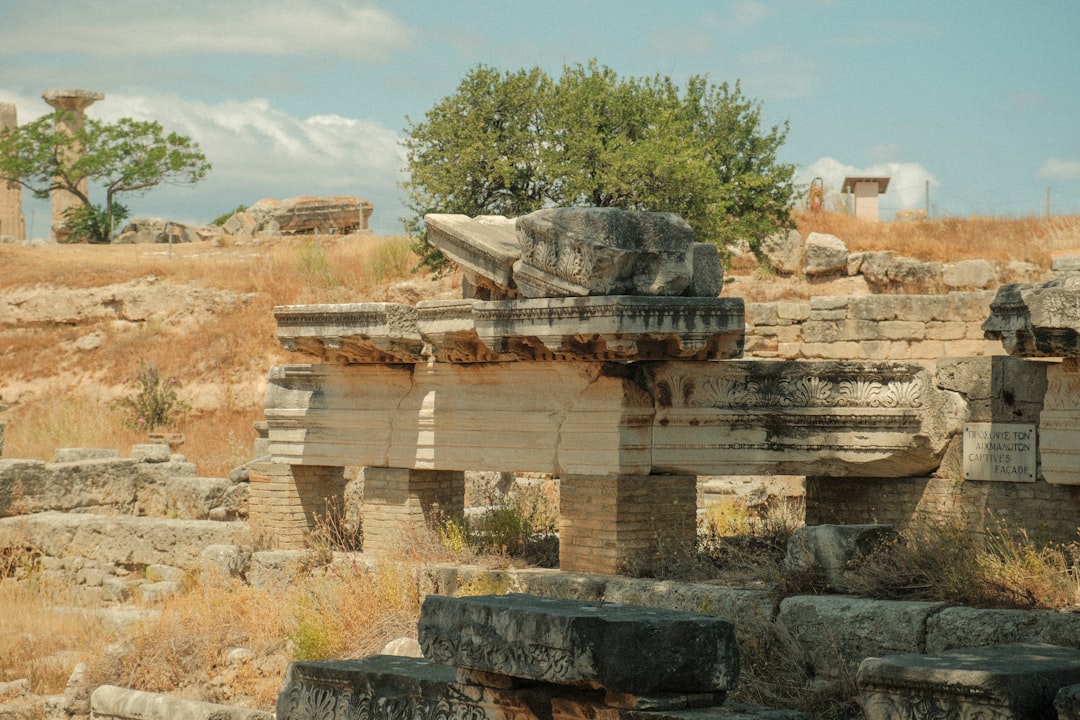
The heart of the conflict is the 11th-century Preah Vihear temple, a UNESCO World Heritage site perched on a cliff. In 1962, the International Court of Justice awarded the temple itself to Cambodia, but the ruling left the surrounding land ambiguous. This legal gray zone, particularly a 4.6-square-kilometer area, has been a persistent flashpoint. Both nations claim sovereignty, embedding the site deep within their national narratives.
From Sporadic Skirmishes to Sustained Conflict
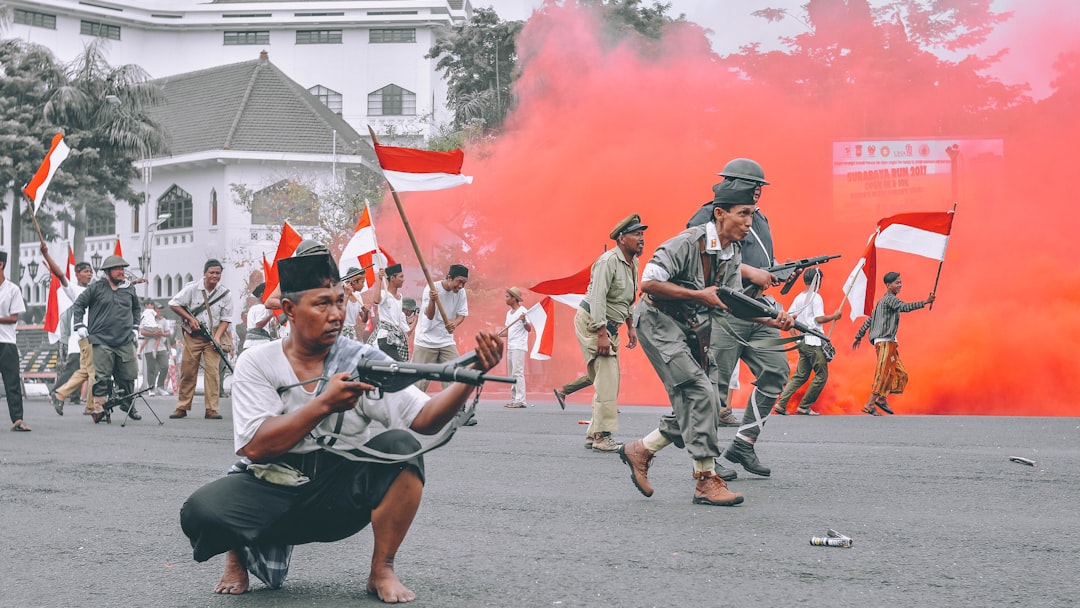
While border tensions are not new, the current escalation marks a significant intensification. Exchanges of rifle fire, mortar shells, and heavy artillery have been reported daily. Military analysts note the use of larger-caliber weapons compared to past skirmishes. This shift suggests a dangerous move from contained posturing to more serious military engagement, raising fears of a broader, unintended conflict.
The Human Cost of the Clashes
The conflict’s immediate toll is measured in uprooted lives. On both sides of the border, villages lie deserted. Over 30,000 civilians have been evacuated to makeshift shelters, fleeing the indiscriminate shelling. Schools and hospitals have closed. Aid groups report shortages of food, clean water, and medical supplies, creating a humanitarian crisis that compounds the military one.
Domestic Politics Fueling the Fire
Experts point to internal political dynamics as key accelerants. In Thailand, the military-led government faces domestic pressure to assert national strength. In Cambodia, the temple is a potent symbol of cultural heritage and sovereignty. For both leaderships, a perceived soft stance on the border can be politically costly. This transforms a territorial issue into a test of nationalist resolve, limiting diplomatic flexibility.
ASEAN’s Delicate Diplomatic Dance
The Association of Southeast Asian Nations (ASEAN), built on a principle of non-interference, faces a stern test. Indonesia, as chair, has offered to mediate and send observers, but progress is slow. The bloc is caught between facilitating dialogue and respecting bilateral sovereignty. The prolonged fighting challenges ASEAN’s core mission of maintaining regional peace and security through consensus.
Economic and Strategic Repercussions
Beyond the battlefield, economic consequences mount. Cross-border trade, vital for local economies, has ground to a halt. Tourism, a key industry for both nations, suffers as travel advisories are issued. Strategically, the clashes distract from shared regional challenges like economic recovery and maritime security in the South China Sea, where several ASEAN members, including Cambodia, have competing claims with China.
A Path Forward: De-escalation and Dialogue
A lasting solution remains elusive but necessary. Immediate priorities are a verifiable ceasefire and humanitarian access. Long-term, a joint demarcation commission, possibly with third-party technical support, is essential. Renewed commitment to the 2000 Memorandum of Understanding on border survey and demarcation, long stalled, is a logical starting point. True resolution requires political will to prioritize stability over short-term nationalist gains.
Conclusion: A Test for Regional Stability
The echoes at Preah Vihear are a sobering reminder that history’s wounds can reopen violently. As the fighting enters another week, the international community watches to see if diplomacy can prevail over escalation. The outcome will not only define the future of a sacred temple but also signal whether Southeast Asia’s mechanisms for peace can withstand the pressures of nationalism and unresolved history. The path to peace is narrow, but the cost of continued conflict is immeasurably high.