📅 Last updated: December 27, 2025
4 min read • 777 words
Syria’s political landscape has undergone a dramatic transformation in the year since the Assad dynasty’s collapse, with the nation’s new leader successfully cultivating relationships with former adversaries including Donald Trump and Western governments. Yet behind the diplomatic victories lies a more complex reality: Syrians themselves remain acutely aware of their new government’s fundamental vulnerabilities and the daunting challenges that threaten the country’s fragile stability.
The contrast between international acceptance and domestic uncertainty highlights Syria’s precarious position as it attempts to rebuild after decades of authoritarian rule. While the removal of the Assad regime’s oppressive apparatus has created what many describe as a palpable sense of relief across the nation, the question of what comes next remains largely unanswered.
A Nation Breathing, But Not Yet Free

The departure of the Assad family after more than five decades of iron-fisted control has fundamentally altered Syria’s political atmosphere. Citizens report a newfound sense of lightness—the crushing weight of constant surveillance, arbitrary detention, and pervasive fear has lifted. Public spaces that once felt threatening now host conversations unimaginable just two years ago.
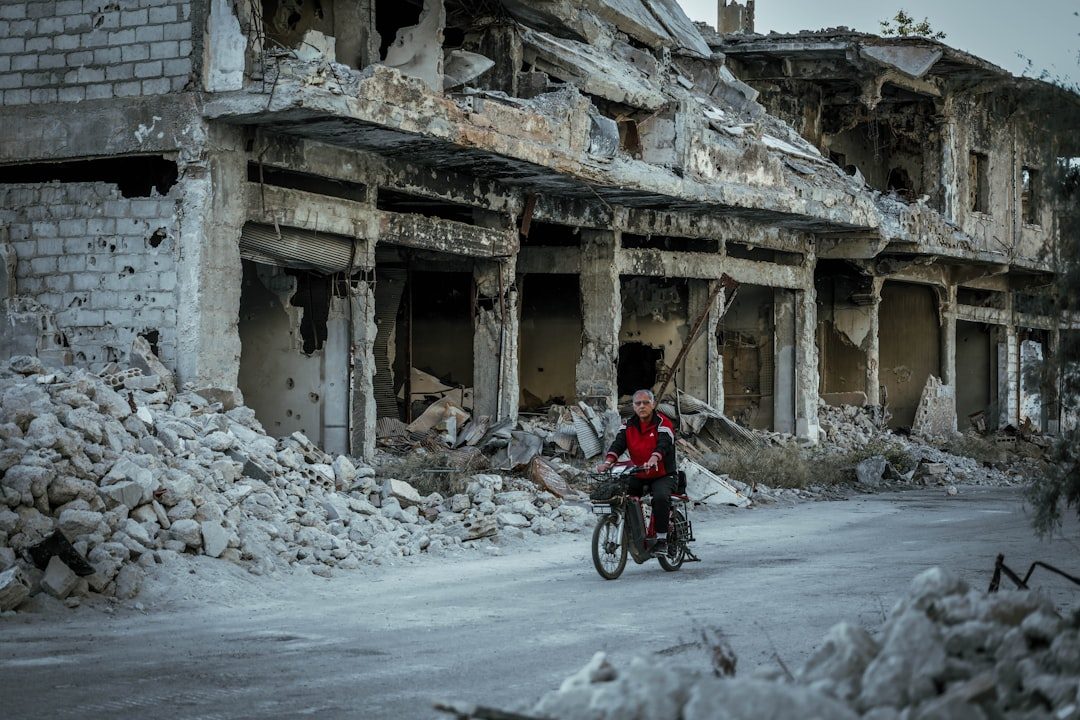
However, this psychological liberation exists alongside persistent structural problems. The new administration faces the monumental task of rebuilding institutions hollowed out by corruption and personalized power. Syria’s economy remains shattered, with infrastructure damaged or destroyed across much of the country and millions of citizens displaced both internally and abroad.
Diplomatic Gains and International Recognition
The new Syrian leadership’s most visible achievement has been its rapid diplomatic rehabilitation. President Trump’s administration has signaled openness to engagement, marking a significant shift from years of isolation and sanctions. European governments, long skeptical of any Syrian political transition, have cautiously begun extending recognition and discussing reconstruction assistance.
This international embrace reflects both the new government’s diplomatic efforts and Western calculations about regional stability. With competing powers still maintaining interests in Syria—from Russia and Iran to Turkey—Western nations appear eager to establish influence with a new regime that seems more amenable to cooperation than its predecessor.
Domestic Realities Behind the Diplomatic Facade
While international audiences see a leader consolidating power and winning legitimacy abroad, Syrians themselves maintain a more skeptical perspective. The population’s intimate knowledge of their new leadership’s weaknesses stems from direct experience with the complex power dynamics that enabled the transition.
Key vulnerabilities include the government’s limited territorial control, dependence on former opposition factions with competing agendas, and the absence of clear institutional frameworks for governance. Many Syrians question whether their new leaders possess the capacity to deliver basic services, ensure security, or create economic opportunities—the practical measures by which ordinary citizens judge any government’s legitimacy.
The Challenge of Transitional Justice and Reconciliation
Perhaps no issue looms larger than how Syria will address decades of human rights abuses and war crimes. The Assad regime’s brutal suppression of dissent, documented torture facilities, and indiscriminate attacks on civilian areas have left deep wounds across Syrian society. Families of the disappeared demand answers, while victims of violence seek accountability.
The new government faces competing pressures: international demands for justice and accountability versus practical concerns about stability and the need to reintegrate armed factions into civilian life. Any serious reckoning with the past risks reopening conflicts, yet avoiding accountability could undermine the government’s moral authority and perpetuate cycles of violence.
Economic Reconstruction and the Return Question
Syria’s economic devastation represents an existential challenge for any government. Estimates suggest reconstruction costs could exceed $400 billion, far beyond the country’s capacity or likely international assistance. Sanctions remain in place, limiting access to international financial systems and deterring investment.
The fate of nearly 13 million displaced Syrians—roughly half the pre-war population—depends largely on security conditions and economic opportunities. While some refugees have begun tentative returns, most remain abroad, uncertain whether Syria can offer a viable future. The new government’s ability to create conditions for return will significantly determine its long-term legitimacy and the country’s recovery prospects.
Looking Ahead: Cautious Optimism Meets Hard Reality
One year after the Assad regime’s fall, Syria stands at a crossroads between hope and uncertainty. The psychological relief of authoritarian rule’s end remains palpable, and diplomatic progress suggests possible international support for reconstruction. Yet the enormous challenges facing the new government—from institutional development to economic revival, from territorial consolidation to transitional justice—require sustained commitment and resources that remain uncertain.
For ordinary Syrians, the coming year will determine whether their country’s new chapter represents genuine transformation or merely a different configuration of familiar problems. The world watches as Syria attempts to write a new story, but the authors of that narrative remain, ultimately, the Syrian people themselves—who know better than anyone the distance between diplomatic success abroad and meaningful change at home.