📅 Last updated: December 27, 2025
5 min read • 809 words
Introduction
In a move that has ignited immediate international condemnation and reshaped the geopolitical landscape, the Israeli government has formally approved the establishment of 19 new settlements in the occupied West Bank. The decision, championed by far-right Finance Minister Bezalel Smotrich, is framed by its proponents as a decisive strategic maneuver to cement Israeli control and preempt the formation of a future Palestinian state. This expansion marks one of the largest single authorizations in recent years, directly challenging the viability of a two-state solution.

A Political Blueprint for Permanence
The announcement is not an isolated bureaucratic act but a calculated political statement. Minister Smotrich, who also holds significant authority over West Bank civilian affairs within the defense ministry, explicitly linked the approvals to blocking Palestinian sovereignty. “This is about the Zionist response to anyone who thinks that through terrorism, through force, they can uproot us from our land,” Smotrich stated, framing the settlements as an immutable national project. This rhetoric underscores a fundamental shift in policy, moving from tacit expansion to overt, government-driven consolidation of territory captured in the 1967 war.
International Law and Global Repercussions
The international community has long considered Israeli settlements in the West Bank and East Jerusalem to be illegal under international law, a position upheld by numerous United Nations resolutions and the International Court of Justice. The Fourth Geneva Convention explicitly prohibits an occupying power from transferring parts of its own civilian population into the territory it occupies. This new wave of authorizations places key allies, including the United States, in a diplomatically difficult position, forcing a renewed confrontation between strategic partnership and stated principles on territorial integrity and peace.
On the Ground: Mapping the New Reality
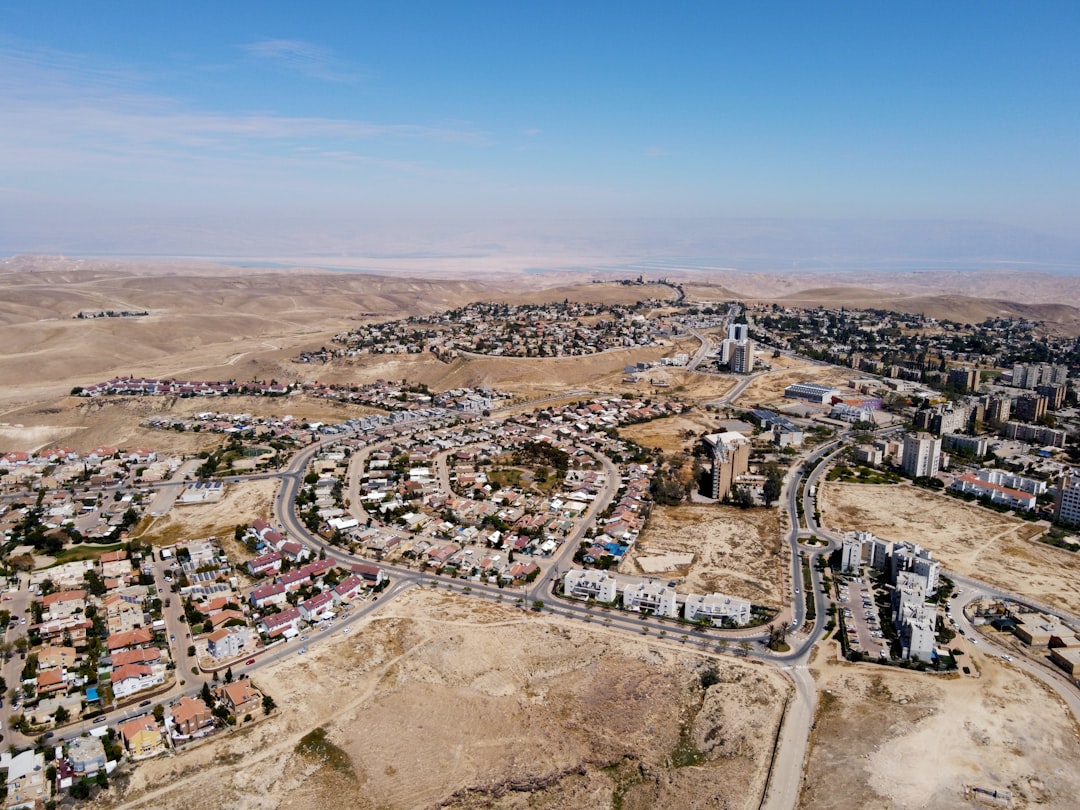
The newly approved settlements, referred to by Israel as “neighborhoods” or “communities,” are strategically scattered across Area C of the West Bank, which is under full Israeli military and administrative control. While details on exact locations and timelines vary, analysts note they likely aim to strengthen the territorial contiguity of existing settlement blocs, further fragmenting Palestinian land. This creates a patchwork that makes a contiguous Palestinian state increasingly difficult to envision, effectively carving the West Bank into disconnected cantons surrounded by Israeli-controlled areas.
The Palestinian Response: Anger and Helplessness
Palestinian leadership has denounced the move as a “war crime” and a fatal blow to any remaining prospects for peace. Nabil Abu Rudeineh, spokesperson for President Mahmoud Abbas, warned that Israel is “crossing all red lines.” For ordinary Palestinians, the expansion signifies more than a political setback; it means further encroachment on agricultural land, restricted movement due to expanding security perimeters, and the steady erosion of their territorial base for a future nation. The Palestinian Authority faces mounting internal criticism for its perceived inability to halt this relentless process.
Domestic Israeli Politics: A Coalition Promise Fulfilled
This policy is a direct fulfillment of promises made to pro-settlement factions within Prime Minister Benjamin Netanyahu’s fragile governing coalition. For Smotrich’s Religious Zionism party and Itamar Ben-Gvir’s Jewish Power party, settlement expansion is a core ideological tenet and a key price for their political support. The approval serves to solidify Netanyahu’s hold on power with his right-wing base, even as it deepens Israel’s international isolation and complicates nascent normalization talks with Arab states like Saudi Arabia, which have made Palestinian statehood a central condition.
The Two-State Solution: An Endangered Concept
With over 700,000 Israeli settlers now living in the West Bank and East Jerusalem, this latest authorization pushes the physical reality further from the diplomatic map of two states. The settlements, connected by Israeli-only roads and protected by military infrastructure, create facts on the ground that are increasingly irreversible. Many analysts now question whether the two-state framework, the bedrock of international peace efforts for decades, is any longer a practical possibility or has been rendered obsolete by continuous settlement growth.
Regional Security Implications
The decision risks triggering a new wave of violence in an already volatile region. Palestinian militant groups have vowed retaliation, and the potential for clashes between settlers and Palestinian villagers is high. The Israeli military may face increased operational burdens in securing new, often remote, outposts. Furthermore, it empowers hardliners on both sides, undermining more moderate voices who advocate for dialogue and coexistence, thereby setting the stage for a potential escalation that could spill beyond the West Bank’s borders.
Conclusion: A Fork in the Road
Israel’s approval of 19 settlements represents a pivotal moment, choosing a path of tangible territorial consolidation over diplomatic negotiation. It challenges the world to move beyond statements of condemnation to concrete actions, while forcing a stark reassessment of the future for Israelis and Palestinians alike. The immediate outlook suggests heightened tension, deepened occupation, and a paralyzed peace process. Ultimately, this strategic surge does not merely add buildings to hillsides; it constructs a new, more daunting reality that may define the conflict for generations to come, narrowing the window for alternative futures with each groundbreaking ceremony.