📅 Last updated: December 27, 2025
4 min read • 774 words
Introduction
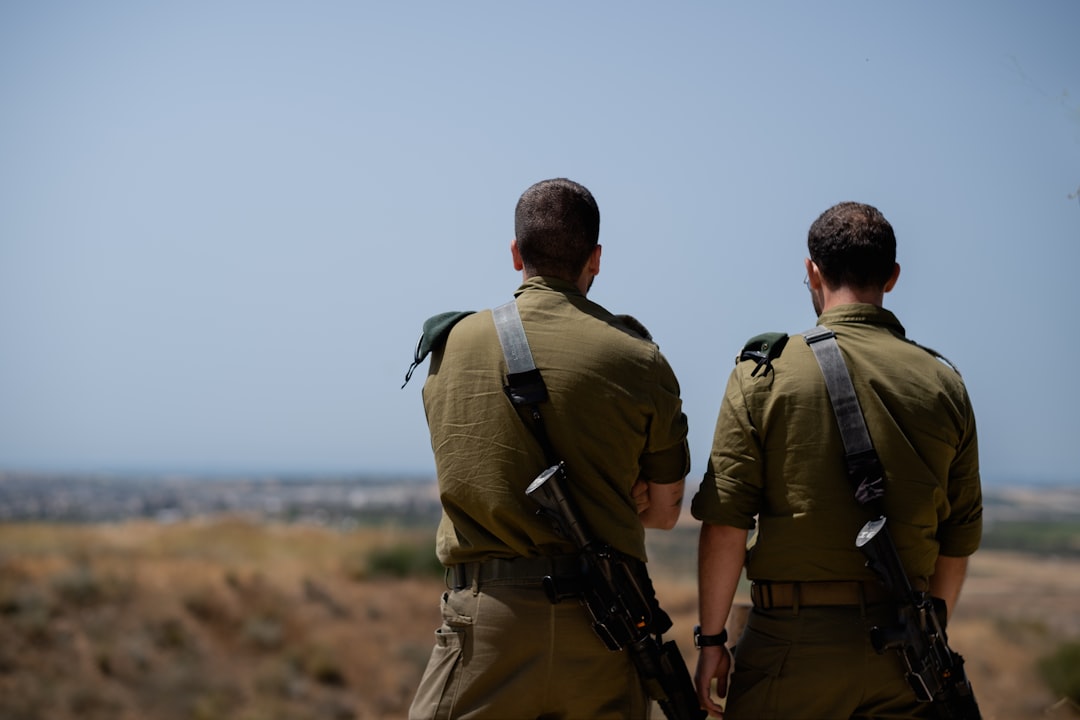
In a significant escalation of its military footprint, Israeli forces have conducted fresh operations in Syria’s Quneitra province, establishing fortified checkpoints in a move Damascus decries as a blatant occupation. This incursion, reported by Syrian state media, represents a direct challenge to Syrian sovereignty and marks a notable shift from previous, more fleeting cross-border raids. The development sends a stark signal about Israel’s security calculus in the volatile Golan Heights region.

A New Phase of Military Presence
Unlike the targeted airstrikes or rapid ground incursions that have characterized Israel’s actions in Syria for years, the establishment of semi-permanent checkpoints suggests a deliberate, tactical expansion. Analysts note this indicates a move from reactive strikes to proactive territorial control in specific border zones. The checkpoints, equipped with surveillance and defensive positions, allow for sustained monitoring and control of movement in this strategically vital area.
Quneitra province, bordering the Israeli-occupied Golan Heights, is a landscape scarred by conflict and of immense strategic value. It has long been a conduit for forces aligned with Iran, including Hezbollah, which Israel views as an existential threat. By solidifying its presence, Israel aims to sever supply lines and create a deeper buffer zone, fundamentally altering the security dynamics along the ceasefire line established in 1974.
Damascus’s Fury and the Sovereignty Question
Syrian state television has issued vehement condemnations, framing the action not merely as an attack but as a violation of territorial integrity akin to occupation. The language used—”flagrant aggression” and “a violation of international law”—is deliberately chosen for diplomatic impact. However, Syria’s ability to respond militarily is severely constrained after over a decade of civil war, leaving it reliant on rhetorical condemnation and appeals to international bodies.
This incident underscores the profound erosion of Syrian state sovereignty. The nation’s territory is already a patchwork of influence, hosting Russian, Iranian, Turkish, and U.S. forces at various points. Israel’s latest move further chips away at Damascus’s authority, highlighting its limited capacity to defend its borders and presenting a challenge to the Assad government’s narrative of restoring control over all Syrian land.
The Broader Regional Chessboard
This escalation cannot be viewed in isolation. It occurs against a backdrop of stalled nuclear talks with Iran and heightened tensions along the Israel-Lebanon border. The checkpoints serve as a tangible message to Tehran and its allies: Israel will physically interdict the entrenchment of what it calls the “axis of resistance.” It is a ground-level counter to Iran’s “unity of fronts” strategy, which seeks to surround Israel with capable proxy militias.
The timing is also critical. With global attention fragmented by conflicts in Ukraine and elsewhere, regional actors may perceive a window for assertive action. Israel’s move tests the limits of international response and recalibrates the de facto rules of engagement that have governed its long-running shadow war in Syria. It signals a willingness to take more overt, on-the-ground risks to secure its red lines.
International Law and the Silence of Powers
From a legal standpoint, the incursion presents a clear-cut case of violation under the United Nations Charter, which prohibits the use of force against the territorial integrity of any state. However, the application of international law in the Syrian context has been notoriously inconsistent. Past Israeli airstrikes, while criticized, have often been met with tacit understanding or silence from Western capitals, framed within Israel’s right to self-defense against Iranian threats.
The muted initial response from major global powers is telling. Russia, a key ally of Syria with forces deployed in the country, holds significant sway but has historically avoided direct confrontation with Israel in Syrian airspace. Its reaction will be a crucial indicator of the operation’s sustainability. The United Nations Disengagement Observer Force (UNDOF), tasked with monitoring the ceasefire, now faces a dramatically altered reality on the ground.
Conclusion and Future Outlook
The establishment of Israeli checkpoints in Quneitra is more than a tactical raid; it is a strategic inflection point. It moves the conflict from the skies to the dirt roads of the border region, increasing the potential for direct, miscalculated clashes with Syrian forces or Iranian proxies. The risk of a localized incident spiraling into a broader confrontation has undeniably risen.
Looking ahead, the permanence of these positions will be the key metric to watch. Will this become a new, disputed status quo, or will diplomatic pressure force a rollback? The action likely presages a more aggressive Israeli doctrine for its northern border, one favoring persistent control over punitive strikes. As Syria remains fractured and the Iran-Israel shadow war intensifies, the Golan frontier is poised to become an even more active and dangerous flashpoint, redefining the contours of conflict in the Middle East.