4 min read • 653 words
Introduction
In a quiet room, a misheard word or a snippet of private conversation can trigger a digital listener. This unsettling reality is at the heart of a landmark legal settlement, as Google agrees to pay $68 million to resolve allegations that its Assistant eavesdropped on users without their true consent. The case peels back the curtain on the often-opaque world of voice data collection, forcing a critical examination of privacy in an always-listening age.

The Unseen Trigger: Understanding “False Accepts”
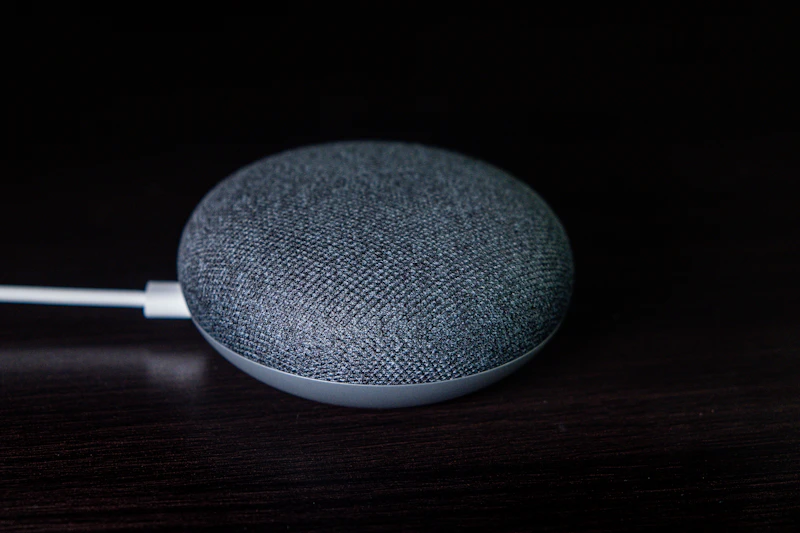
The lawsuit centered on a technical flaw known as a “False Accept.” This occurs when a smart device mistakenly activates, believing it heard its wake phrase—”Hey Google” or “OK Google.” In these moments, the device can begin recording ambient audio, potentially capturing intimate conversations, sensitive business discussions, or family moments. Plaintiffs argued these recordings were made unlawfully, violating wiretapping and privacy laws across several states. Google’s systems, designed for convenience, inadvertently became conduits for unauthorized surveillance within the home.
The Human Element: Contractors in the Listening Chain
A 2019 investigation by VRT NWS was pivotal. It revealed that audio snippets, including those from False Accepts, were reviewed by human contractors globally to improve Google’s speech recognition algorithms. These reviewers sometimes heard deeply personal information: arguments, professional calls, even bedroom conversations. This exposure of the human review process shattered the illusion of purely automated, anonymous analysis. It highlighted a profound disconnect between user expectations of privacy and the gritty reality of AI training.
The Legal Reckoning and Settlement Terms
Court filings from late last week formalized the proposed $68 million settlement. While Google admits no wrongdoing, the financial penalty is significant. The fund will compensate millions of U.S. users who owned Google Assistant-enabled devices between specific dates. Individuals can file claims for a small payment, estimated around $10-$20 per person after administrative costs. More crucially, the settlement mandates changes: Google must enhance disclosures about voice data practices and maintain improved controls to minimize False Accepts for at least two years.
Broader Industry Implications
This case is not an isolated incident. It mirrors similar actions against Amazon, Apple, and Meta over their voice assistant practices. Collectively, they signal a regulatory and legal turning point. The era of tech giants collecting vast troves of voice data with minimal transparency is facing intense scrutiny. The settlement establishes a precedent, suggesting companies can be held financially liable for privacy failures inherent in their AI training pipelines, potentially reshaping development protocols across Silicon Valley.
The Privacy Paradox in the Smart Home
Users face a stark trade-off: unparalleled convenience versus potential intrusion. Voice assistants can control homes, manage schedules, and answer queries instantly. Yet, their core functionality requires a microphone that is, by design, always poised to listen. This settlement underscores the fragility of the trust placed in these devices. It raises urgent questions about where the line should be drawn between data collection for service improvement and the fundamental right to private communication within one’s own walls.
Technological Safeguards and Ethical AI
In response to the scandal, Google and its peers have implemented changes. Many now offer options to disable voice review programs or delete audio histories automatically. On-device processing, where audio is analyzed locally without being sent to the cloud, is being promoted as a more private alternative. However, experts argue true ethical AI requires more: explicit, granular consent for human review, robust anonymization techniques, and systems engineered to prioritize privacy from the ground up, not as an afterthought.
Conclusion and Future Outlook
Google’s $68 million settlement is more than a corporate payout; it is a warning siren for the connected age. As smart devices proliferate, the legal and social expectations around data privacy are hardening. Future innovation must be coupled with radical transparency and user empowerment. The resolution of this case does not end the conversation but amplifies it, pushing the industry toward a future where technology listens only when we intentionally ask it to—and truly understands the meaning of consent.