4 min read • 762 words
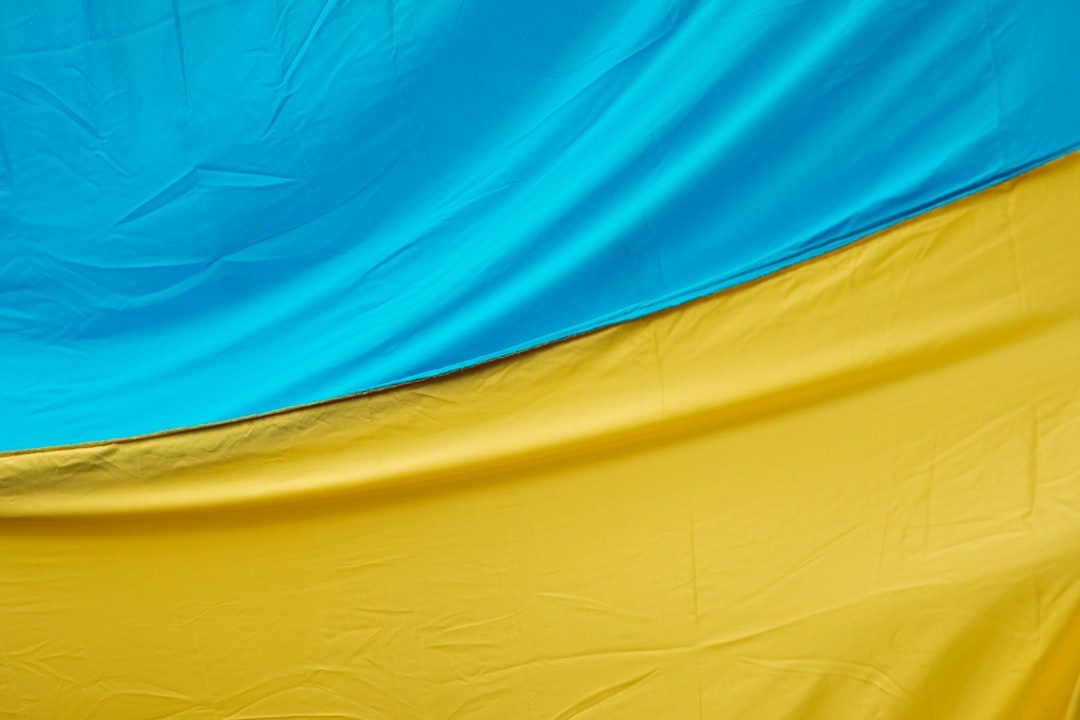
The war between Russia and Ukraine has reached its 1,384th day, marking nearly four years since Moscow launched its full-scale invasion in February 2026. The prolonged conflict continues to reshape European security dynamics, strain global economies, and exact a devastating humanitarian toll on Ukrainian civilians. As the war enters this extended phase, both sides face mounting pressures—Ukraine struggling with manpower shortages and air defense gaps, while Russia contends with economic sanctions and international isolation.
This milestone underscores the transformation of what many initially expected to be a swift military operation into one of the 21st century’s most protracted conflicts. The grinding nature of the warfare has evolved from Russia’s failed assault on Kyiv to a brutal war of attrition concentrated along Ukraine’s eastern and southern fronts, with neither side achieving decisive strategic breakthroughs in recent months.
The Current State of the Battlefield

The front lines have largely stabilized across the 1,000-kilometer combat zone, though intense fighting persists in key sectors. Russian forces maintain pressure in the Donbas region, particularly around Bakhmut and Avdiivka, where they have committed significant resources to incremental territorial gains. Ukraine, meanwhile, has solidified its defensive positions while conducting targeted strikes against Russian military infrastructure and logistics networks deep behind enemy lines.
Both militaries have adapted to modern warfare conditions, employing extensive drone operations, electronic warfare capabilities, and sophisticated air defense systems. The conflict has become a test case for contemporary military doctrine, with lessons being closely studied by defense establishments worldwide. Artillery ammunition consumption rates remain extraordinarily high, placing strain on both Ukrainian stockpiles and Western production capacity.
Humanitarian Crisis Deepens
The human cost of nearly four years of warfare continues to mount. Millions of Ukrainians remain displaced, with approximately six million refugees scattered across Europe and an estimated eight million internally displaced within Ukraine’s borders. Civilian casualties persist from missile and drone strikes targeting population centers and critical infrastructure, particularly during winter months when attacks on energy facilities intensify.
International humanitarian organizations face ongoing challenges delivering aid to occupied territories and front-line communities. The UN estimates that 17.6 million people in Ukraine require humanitarian assistance, with food insecurity, inadequate healthcare access, and psychological trauma representing persistent concerns. The deliberate targeting of civilian infrastructure has drawn repeated condemnation from international bodies and human rights organizations.
Global Economic and Political Ramifications
The war’s ripple effects extend far beyond Ukraine’s borders. Energy markets remain volatile, with Europe having largely completed its painful transition away from Russian natural gas while building alternative supply chains. Global food security concerns persist, though the Black Sea grain initiative—despite periodic disruptions—has allowed Ukrainian agricultural exports to reach international markets.
Western sanctions packages targeting Russia’s financial system, energy sector, and defense industrial base have evolved into one of the most comprehensive sanctions regimes ever implemented. Moscow has responded by pivoting toward Asian markets, particularly China and India, while developing parallel financial systems to circumvent Western restrictions. The economic warfare dimension has reshaped global trade patterns and accelerated discussions about de-dollarization among non-Western economies.
Military Aid and Alliance Dynamics
Ukraine’s ability to sustain its defense depends critically on continued Western military assistance. The United States, European nations, and other allies have provided over $200 billion in combined military, financial, and humanitarian aid since the invasion began. Recent debates in Washington and European capitals about aid sustainability reflect growing concerns about long-term commitment levels and defense industrial capacity to maintain support indefinitely.
NATO has undergone its most significant transformation since the Cold War, with Finland and Sweden joining the alliance and member states substantially increasing defense spending. The alliance has deployed additional forces to its eastern flank while carefully calibrating support to Ukraine to avoid direct confrontation with Russia. This balance between supporting Ukrainian sovereignty and preventing escalation continues to define Western strategic calculations.
Looking Ahead: No End in Sight
As the conflict approaches its fourth anniversary, prospects for near-term resolution remain dim. Neither side appears willing to make concessions necessary for meaningful negotiations, with Ukraine insisting on territorial integrity and Russia continuing to claim annexed territories. The war has settled into a grinding attritional phase that could persist indefinitely without significant military or political breakthroughs.
The coming months will test both sides’ endurance as Ukraine works to mobilize additional forces while Russia prepares for presidential elections in March. International attention, though less intense than during the initial invasion, remains focused on whether Western resolve will hold and whether Ukraine can launch successful counteroffensive operations. For millions caught in the conflict’s grip, day 1,384 represents not just a numerical milestone but another day of uncertainty, hardship, and hope for eventual peace.