4 min read • 685 words
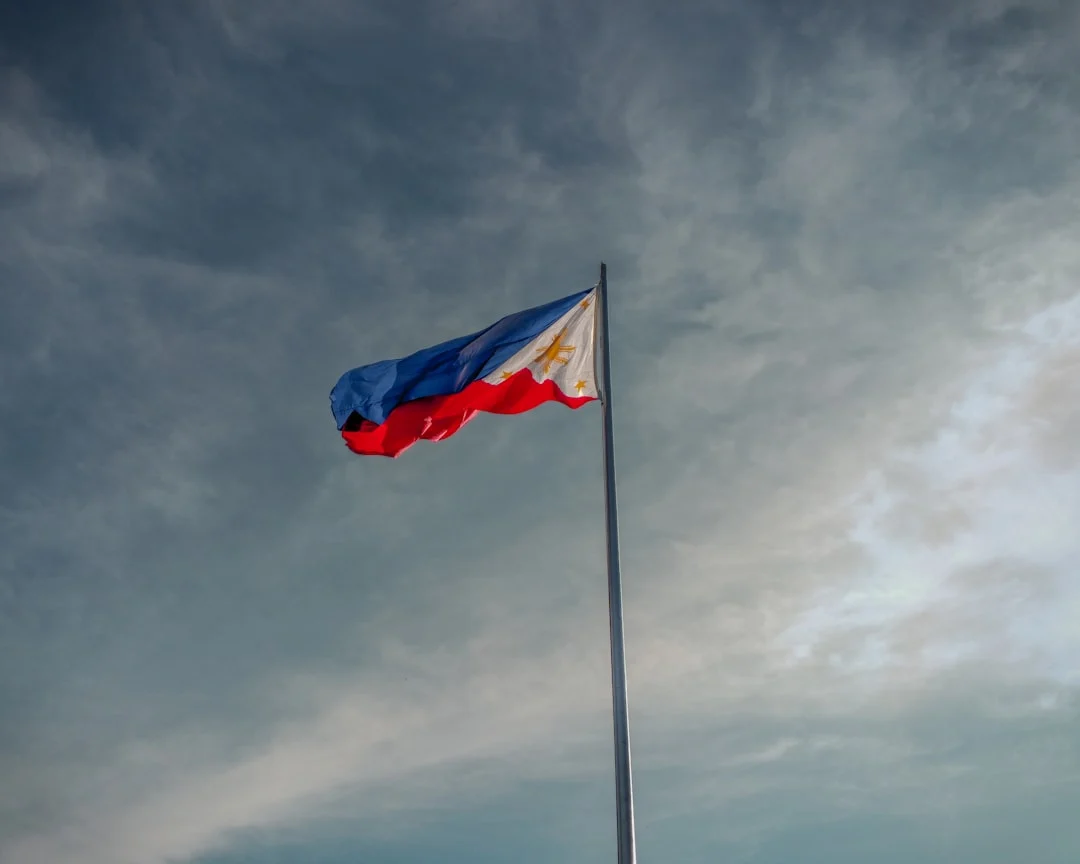
The Philippines is taking a firm stance on cryptocurrency regulation.
Its securities regulator has blocked access to major global exchanges Coinbase and Gemini for operating without a license.
The Regulatory Crackdown Explained
This move is part of a wider enforcement sweep by the Philippines’ Securities and Exchange Commission (SEC).
The agency is targeting unlicensed Virtual Asset Service Providers (VASPs) to protect local investors.
According to the SEC, both Coinbase and Gemini have been actively offering services to Filipinos.
They have not secured the necessary VASP license or a certificate of authority to operate.
The National Telecommunications Commission has been directed to block their websites and apps.
This action sends a clear message to the global crypto industry about compliance.
Why the Philippines is Taking a Hard Line

The Philippine SEC is prioritizing investor protection in a volatile market.
Unregulated platforms pose significant risks of fraud, market manipulation, and financial loss.
This regulatory push aligns with a global trend of tightening crypto oversight.
It mirrors actions seen in other jurisdictions seeking to formalize the digital asset space.
For context on regional economic pressures, see our analysis of Vanke’s Debt Dilemma: A Bellwether Moment.
The goal is to foster a safer, more transparent crypto ecosystem for growth.
What This Means for Crypto Exchanges
Global exchanges can no longer treat the Philippines as an open market.
To operate legally, they must now navigate the local licensing regime.
The process involves demonstrating robust anti-money laundering and cybersecurity protocols.
Exchanges must also maintain a physical presence in the country for accountability.
This creates a significant barrier to entry but legitimizes compliant operators.
Data from Bloomberg often highlights how such regulations impact market liquidity and access.
Impact on Filipino Crypto Users

For everyday users, the immediate effect is a reduced choice of platforms.
They must now rely on SEC-licensed exchanges, which currently number fewer than 20.
This shift aims to enhance user safety but may limit access to certain assets or features.
Users on blocked platforms should withdraw their assets promptly.
The SEC advises transferring funds to a licensed local exchange or a private wallet.
This situation underscores the importance of using regulated services, much like consulting the SBA for trusted business advice.
Frequently Asked Questions
Can I still use Coinbase or Gemini in the Philippines?
No. Access to these platforms is being actively blocked by internet service providers on the SEC’s order.
Attempting to use VPNs may violate terms of service and is not recommended.
What should I do if my crypto is on a blocked exchange?
You should immediately withdraw your assets to a private wallet or a licensed Philippine exchange.
Act quickly, as withdrawal functionality may become unstable as blocks take full effect.
Which crypto exchanges are legal in the Philippines?
Only exchanges registered with the Bangko Sentral ng Pilipinas or licensed as VASPs by the SEC are legal.
A current list of licensed entities is available on the official Philippine SEC website.
Key Takeaways
- The Philippine SEC is enforcing strict VASP licensing requirements, blocking major unlicensed players like Coinbase and Gemini.
- This crackdown is fundamentally about investor protection and bringing the crypto market under regulatory supervision.
- Filipino users must move assets to licensed platforms and adapt to a more regulated, but potentially safer, trading environment.
- Global exchanges must now commit to local compliance, signaling an end to the era of unrestricted access in the country.
Final Thoughts
The Philippines’ decisive action marks a pivotal step in its financial regulation, prioritizing systemic stability over unchecked innovation. While this may temporarily inconvenience some users, it establishes a clearer framework for the long-term growth of crypto in the nation. This move away from a permissive environment reflects broader global shifts, similar to evolving discussions in energy and technology seen in pieces like Electric vs Gas Vehicles in 2025: Which is Better and Energy Giant on the Brink. The ultimate success of this crackdown will depend on how well it balances security with accessibility, ensuring the Philippines remains a competitive player in the digital asset world.