10 min read • 1,845 words
Parkinson’s disease, a progressive neurological disorder affecting movement, presents a journey of adaptation and resilience for over one million Americans and nearly ten million people worldwide. While there is no cure, a sophisticated and expanding arsenal of treatments exists to manage symptoms, enhance quality of life, and empower individuals to live fully. This guide provides a comprehensive, authoritative look at the current and emerging landscape of Parkinson’s disease treatment, from foundational medications to advanced surgical interventions and essential supportive therapies.
This article is for informational purposes only and does not constitute medical advice. Always consult with a qualified healthcare professional before making any health-related decisions. Individual results may vary.
Understanding the Goal of Parkinson’s Treatment
Parkinson’s disease is characterized by the loss of dopamine-producing neurons in a brain region called the substantia nigra. Dopamine is a crucial chemical messenger that facilitates smooth, coordinated muscle movement. The core goal of all Parkinson’s treatments is to restore dopamine function or mimic its effects in the brain.
It is critical to understand that treatment is highly individualized and evolves with the disease. The primary objectives are to control motor symptoms like tremor, rigidity, and slowness, while also managing the wide array of non-motor symptoms that significantly impact daily life. A proactive, multidisciplinary approach is the cornerstone of effective long-term management.
The Pharmacological Foundation: Medications for Symptom Management

Medications remain the first-line and most common treatment for Parkinson’s disease. They work by either replacing dopamine, mimicking its action, or inhibiting enzymes that break it down. The choice and timing of medication are tailored to each person’s age, symptom profile, and lifestyle.
Levodopa: The Gold Standard
Levodopa, combined with carbidopa (in drugs like Sinemet), is the most effective medication for controlling Parkinson’s motor symptoms. Carbidopa prevents levodopa from being converted to dopamine in the bloodstream, allowing more to reach the brain and reducing side effects like nausea.
Over years of use, many patients experience motor complications, including wearing-off periods and dyskinesias (involuntary, writhing movements). These are a result of the progressive nature of the disease and the pulsatile, rather than continuous, delivery of dopamine from oral medication.
Dopamine Agonists
Dopamine agonists (e.g., pramipexole, ropinirole, rotigotine patch) mimic dopamine’s effect in the brain. They are often used in younger patients to delay the introduction of levodopa and its associated long-term motor complications.
However, they carry a higher risk of significant side effects, including impulse control disorders (like compulsive gambling or shopping), hallucinations, and daytime sleepiness. Careful monitoring by a neurologist is essential when using this class of drugs.
Other Key Medication Classes
MAO-B inhibitors (selegiline, rasagiline, safinamide) and COMT inhibitors (entacapone, opicapone) help prolong the effect of levodopa by blocking its breakdown. Anticholinergics can be useful for tremor, while amantadine is uniquely used to help manage dyskinesias.
“Medication management in Parkinson’s is an art as much as a science. We are constantly balancing efficacy with side effects, often using lower doses of multiple agents to achieve the best control with the fewest complications. The goal is not to eliminate every trace of tremor, but to maximize functional independence and quality of life.” – Dr. Sarah Jones, Movement Disorders Neurologist.
Surgical Interventions: Deep Brain Stimulation (DBS) and Beyond
When medication adjustments no longer provide adequate symptom control with tolerable side effects, surgical options may be considered. These procedures are not a cure but can provide significant, long-lasting relief from motor symptoms.
Deep Brain Stimulation (DBS)
Deep Brain Stimulation involves surgically implanting thin electrodes into specific brain targets, such as the subthalamic nucleus or globus pallidus interna. These electrodes are connected to a pulse generator implanted in the chest, similar to a pacemaker.
The device delivers continuous electrical stimulation to modulate abnormal brain circuitry. DBS is highly effective for reducing motor fluctuations, dyskinesias, tremor, and rigidity. It allows many patients to reduce their medication dose significantly.
Candidacy and Considerations for DBS
Ideal candidates typically have a clear diagnosis of Parkinson’s, a robust response to levodopa, and significant motor complications. DBS does not improve symptoms that don’t respond to levodopa, and it is generally less effective for gait and balance problems or non-motor symptoms.
The procedure carries surgical risks like bleeding or infection, and the device may require programming adjustments. Newer DBS systems offer directional leads and closed-loop sensing technology, allowing for more personalized and adaptive stimulation.
Focused Ultrasound (FUS)
Focused ultrasound is a newer, incisionless procedure that uses targeted sound waves to create a lesion in a very specific brain area. It is currently FDA-approved for treating tremor-dominant Parkinson’s on one side of the body.
Unlike DBS, it is a one-time, irreversible procedure. Research is ongoing to expand its applications, potentially for treating dyskinesias or other symptoms in the future.
The Critical Role of Rehabilitation and Physical Therapy

Medication and surgery address the neurochemical basis of symptoms, but rehabilitation therapies are essential for maintaining function, strength, and mobility. The American Parkinson Disease Association recommends a “prescription to refer” to therapy upon diagnosis.
Key therapeutic interventions include:
- Physical Therapy: Focuses on improving gait, balance, flexibility, and strength. Specific programs like LSVT BIG train patients to make bigger, more forceful movements to counteract the tendency toward small, slow motions.
- Occupational Therapy: Helps patients adapt their daily activities (dressing, cooking, writing) to maintain independence. Therapists recommend assistive devices and home modifications for safety.
- Speech and Language Therapy: Addresses common issues like hypophonia (soft speech) and swallowing difficulties. The LSVT LOUD program is a highly effective, evidence-based treatment for speech volume and clarity.
- Voice and Singing Therapy: Group singing or voice classes can improve respiratory control and vocal strength while providing valuable social connection.
“We now have robust data showing that high-intensity, skill-based exercise is not just good for general health—it is potentially neuroprotective. Exercise may slow disease progression by promoting brain plasticity and release of neurotrophic factors. It should be viewed as a core component of the treatment prescription, not an optional add-on.” – Research from the Parkinson’s Outcome Project.
Managing Non-Motor Symptoms: A Holistic Approach
Non-motor symptoms can be more disabling than motor issues for many individuals. A comprehensive treatment plan must address these challenges, which often require separate or adjunctive medications and strategies.
Common non-motor symptoms and their management include:
- Cognitive Changes & Dementia: Medications like rivastigmine, used for Alzheimer’s, may be prescribed for Parkinson’s disease dementia. Cognitive rehabilitation and brain-training exercises are also beneficial.
- Mood Disorders: Depression and anxiety are very common. Treatment includes antidepressants, psychotherapy (like CBT), and support groups.
- Autonomic Dysfunction: This includes orthostatic hypotension (low blood pressure upon standing), constipation, and urinary issues. Management involves medication adjustments, increased salt/fluid intake, dietary changes, and specific medications for blood pressure support.
- Sleep Disturbances: REM sleep behavior disorder (acting out dreams), insomnia, and daytime sleepiness are addressed with sleep hygiene practices, medication review, and sometimes specific drugs like clonazepam for RBD.
Complementary and Supportive Therapies

Many patients find value in integrating complementary therapies with conventional medical treatment. While these do not replace medication or surgery, they can improve overall well-being and help manage specific symptoms.
Evidence-supported complementary approaches include:
- Tai Chi and Yoga: Improve balance, flexibility, and mindfulness, reducing fall risk and stress.
- Alexander Technique: A method of re-educating movement and posture to reduce muscle tension and improve coordination.
- Massage and Acupuncture: May help alleviate muscle rigidity, pain, and promote relaxation.
- Music and Dance Therapy: Rhythmic auditory stimulation (like walking to a beat) can improve gait. Dance classes (e.g., tango, ballet) enhance mobility, rhythm, and social engagement.
- Nutrition: A balanced diet high in fiber and antioxidants is key. Protein timing (consuming most protein later in the day) can help levodopa absorption. Staying hydrated is critical for blood pressure and digestion.
“The most successful treatment plans I see are those where the patient is an active partner. They combine their neurologist’s expertise with a dedicated physical therapist, perhaps a speech therapist, and integrate activities they enjoy, like cycling or dance. This multi-pronged attack on the disease is far more powerful than medication alone.” – Maria Chen, Parkinson’s Nurse Specialist.
The Horizon: Emerging Treatments and Research
The field of Parkinson’s research is dynamic, with numerous clinical trials underway aimed at developing disease-modifying therapies and improving symptom management.
Disease-Modifying Therapies
The holy grail of Parkinson’s research is a disease-modifying therapy—a treatment that can slow, stop, or reverse the progression of the disease. Current strategies in trials target the alpha-synuclein protein, which forms clumps called Lewy bodies in the brains of people with Parkinson’s.
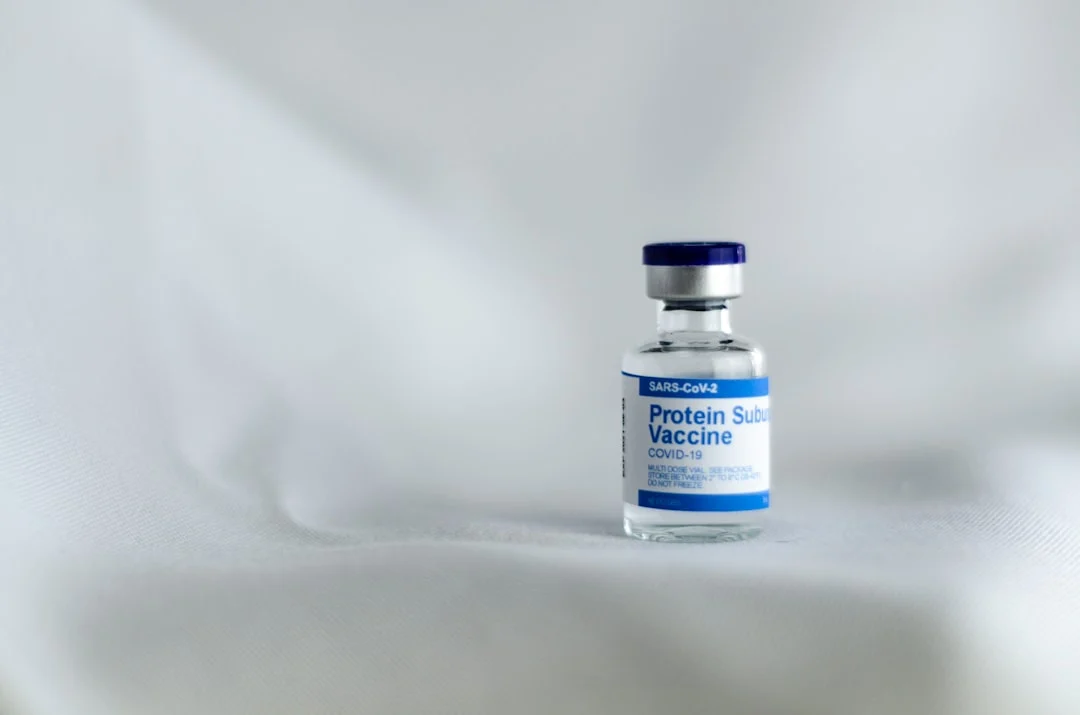
These include immunotherapies (antibodies) and vaccines designed to clear abnormal alpha-synuclein. Other approaches aim to boost cellular mechanisms that clear damaged proteins or enhance mitochondrial function.
Advanced Drug Delivery Systems
To combat the “off” periods associated with oral levodopa, new delivery systems are being developed. These include levodopa infusion therapies (Duodopa/Duopa, Foslevodopa-foscarbidopa) that deliver medication continuously via a pump into the small intestine or under the skin.
Inhaled levodopa (Inbrija) is already available for use as a rescue therapy for sudden “off” periods, providing relief within 10 minutes.
Gene Therapy and Cell-Based Therapies
Gene therapy approaches involve using viral vectors to deliver genes to the brain that may increase production of dopamine-synthesizing enzymes or neurotrophic factors like GDNF. Cell-based therapies aim to replace lost dopamine neurons with transplanted stem cell-derived neurons, with several trials showing recent promising early-stage results.
Key Takeaways

- Parkinson’s treatment is highly personalized, focusing on managing both motor and non-motor symptoms to maximize quality of life and functional independence.
- Levodopa/carbidopa remains the most effective medication, but long-term use can lead to motor complications like dyskinesias and “wearing-off.”
- Deep Brain Stimulation (DBS) is a well-established surgical option that can significantly reduce motor fluctuations and medication needs for appropriate candidates.
- Rehabilitation—including physical, occupational, and speech therapy—is a non-negotiable pillar of comprehensive care and should begin at diagnosis.
- Managing non-motor symptoms (mood, sleep, cognition, autonomic function) is as critical as addressing tremor and slowness for overall well-being.
- A proactive, multidisciplinary team approach involving neurologists, therapists, and mental health professionals offers the best outcomes.
- Ongoing research into disease-modifying therapies, advanced drug delivery, and regenerative medicine holds promise for fundamentally changing the future of Parkinson’s treatment.
Final Thoughts
The journey with Parkinson’s disease is undeniably challenging, but the landscape of treatment is more robust and hopeful than ever before. From precise medication regimens and sophisticated neuromodulation surgery to the empowering effects of targeted exercise and holistic care, individuals have a powerful toolkit at their disposal.
Success lies in building a strong partnership with a specialized healthcare team, staying informed about new developments, and actively participating in one’s own care plan. By integrating medical, surgical, rehabilitative, and supportive strategies, it is possible to manage symptoms effectively and continue to lead a engaged, purposeful life. The relentless pace of research continues to illuminate new pathways, bringing the hope of more transformative treatments closer to reality with each passing year.

About the Author
Aditya Sharma
Insurance industry analyst with 10+ years experience in risk assessment and policy evaluation.
📝 2 articles published on Froht