Introduction
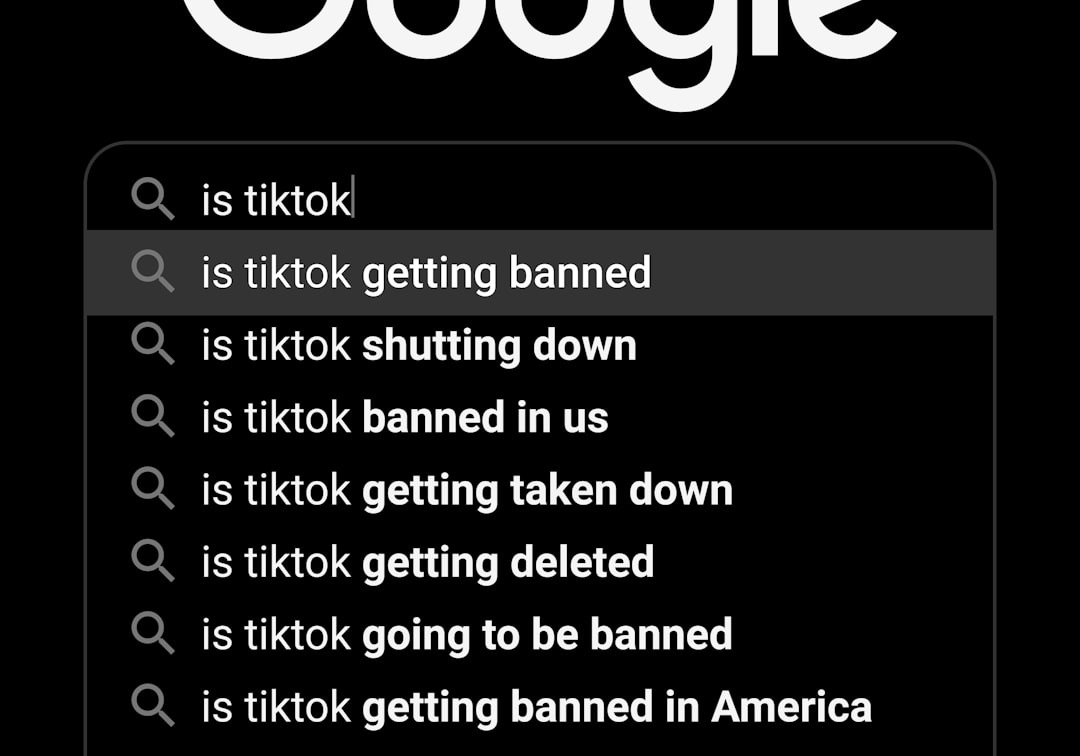
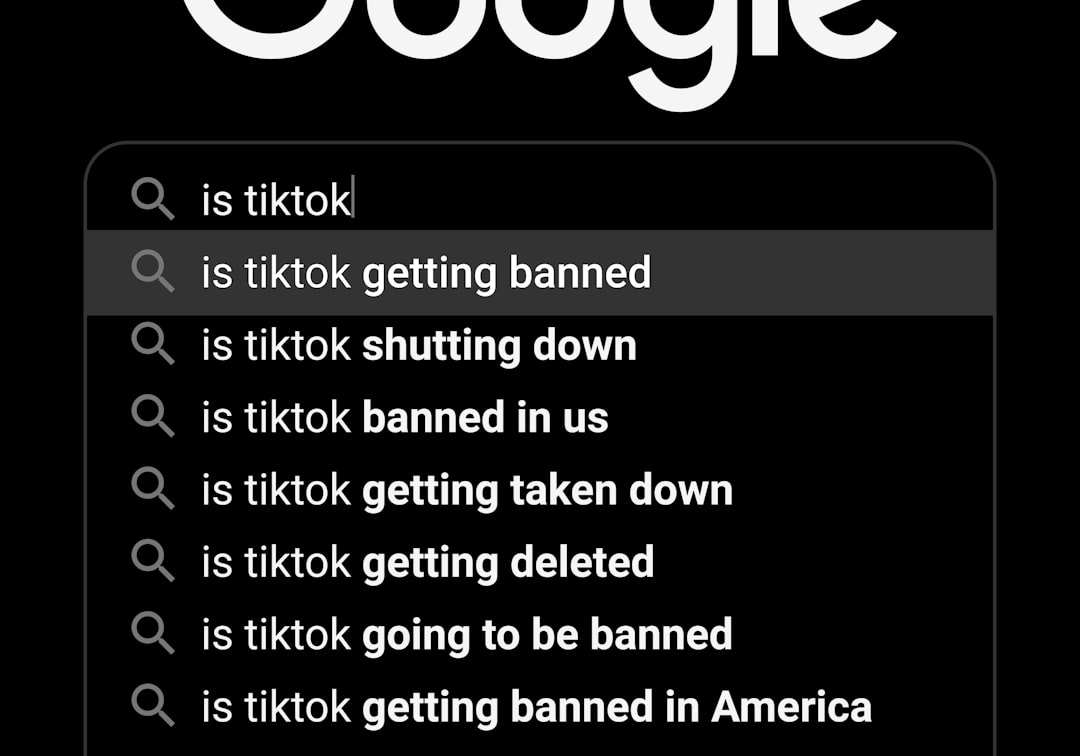
A digital ghost town, a frantic scramble in boardrooms, and a last-minute reprieve. This was the reality for TikTok in America as a congressional deadline loomed. The platform’s survival now hinges on an unprecedented corporate structure, stitching together Silicon Valley giants and sovereign interests to create a uniquely American version of a global phenomenon.

The Brink and the Bailout
On January 19th, the ‘divest-or-ban’ law targeting ByteDance took effect, plunging the app into darkness for millions of U.S. users. This wasn’t a glitch but a legislative mandate. The swift blackout underscored the law’s immediate power, creating a political and cultural crisis. Yet, the outage was brief. Behind the scenes, a frantic negotiation between U.S. and Chinese officials, coupled with presidential extensions, bought critical time.
Architecting a Hybrid Giant
The solution, revealed in a mid-December internal letter from CEO Shou Zi Chew, is TikTok USDS Joint Venture LLC. This entity is a corporate chimera. Oracle provides cloud infrastructure and data oversight. Investment firms Silver Lake and MGX hold significant stakes. Crucially, ByteDance retains a minority share. This structure aims to firewall U.S. user data and algorithm security from Chinese influence while allowing the core app experience to continue.
The Oracle Equation
Larry Ellison’s Oracle emerges as the linchpin, a role fraught with complexity. The company will not merely host data but actively vet TikTok’s content recommendation algorithm—a system worth billions. This “trusted technology partner” model is untested at this scale. Analysts question if Oracle can truly neuter potential foreign influence while maintaining the addictive “For You” page that defines TikTok.
A Political Football Across Administrations
The deal’s path reflects America’s schizophrenic tech policy. The law was passed under one administration and is being resolved under another, with former President Trump signing the critical “Saving TikTok” order. This reversal highlights the app’s strange political journey: from national security threat to protected platform, influenced by lobbying, user outcry, and shifting geopolitical winds.
The Unanswered Questions
Signing agreements is one thing; implementation is another. Who ultimately controls the algorithm’s training data? How will content moderation policies be set independently? Can U.S. intelligence agencies truly verify the so-called “golden source” code? The deal raises more questions than it answers, creating a regulatory maze for the new joint venture to navigate before its January 2026 closing date.
The Global Precedent
This arrangement sets a groundbreaking template. Other nations grappling with Chinese tech, from the EU to India, are watching closely. The U.S. has effectively created a model for sovereign-controlled digital platforms within a global network. Success could lead to a new era of fragmented internet governance; failure might trigger a wave of outright bans.
User Experience in the Balance
For 170 million American users, the core concern is simplicity: will the app feel the same? The joint venture promises seamless operation, but technical sovereignty may come with subtle costs. A “newly-retrained algorithm” could alter content discovery. Increased transparency might slow feature rollouts. The vibrant, chaotic essence of TikTok now exists within a corporate and political straitjacket.
Conclusion: A Fragile Truce
The TikTok saga is far from over. A signed deal is a ceasefire, not a peace treaty. The next two years until the 2026 close will be a high-stakes proving ground for data governance, algorithmic accountability, and international tech diplomacy. TikTok survives in America, but as a hybrid entity forever scrutinized, a permanent testament to the era where data flows became the new battleground for national power.