4 min read • 730 words
Introduction
Global markets are caught in a tense waiting game. An early flicker of optimism in U.S. stock futures sputtered and faded Wednesday as investors worldwide turned their focus to the Alpine resort of Davos. All ears are tuned to President Donald Trump, whose scheduled address carries the potential to either soothe or inflame recent transatlantic trade tensions that have rattled confidence.

The Davos Stage: A Pivotal Moment for Global Trade
The World Economic Forum in Davos has long been a barometer for global economic sentiment. This year, the stakes feel particularly high. President Trump’s arrival comes after days of escalating rhetoric between Washington and European capitals, centering on unconventional topics like Greenland and digital service taxes. Traders are parsing every headline, seeking clarity on whether the administration will pivot toward de-escalation or double down on its confrontational trade stance. The setting, designed for cooperation, now hosts a critical test of it.
Market Gyrations Reflect Deep-Seated Uncertainty
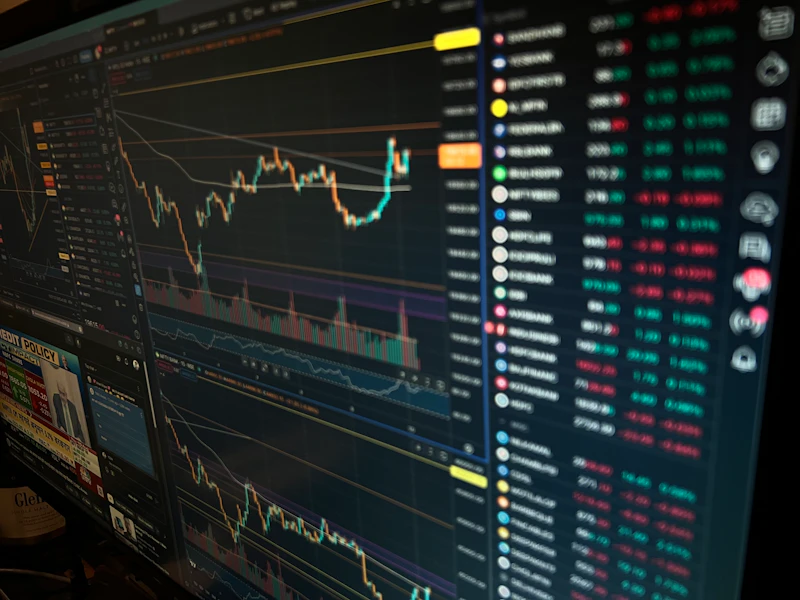
Wednesday’s price action told a clear story of indecision. Futures tied to the S&P 500 and Dow Jones Industrial Average initially edged higher, attempting to reclaim ground lost in prior sessions. This mild rebound, however, proved fragile. Gains evaporated as the session progressed, with major indices hovering near flatline. The volatility underscores a market lacking conviction, driven more by geopolitical headlines than fundamental economic data. Asset movements have become a real-time referendum on trade policy whispers.
Beyond Greenland: The Broader Trade Landscape
While the Greenland comments captured headlines, the underlying issues are far more substantive. The U.S. has threatened auto tariffs on the European Union and is engaged in a separate, long-running dispute with China. Furthermore, recent French proposals for a digital services tax on American tech giants have provoked sharp U.S. warnings of retaliatory tariffs. These interconnected battles create a web of uncertainty that stifles corporate investment planning and global supply chain decisions, directly impacting market valuations.
The Analyst Perspective: Parsing the Political Theater
Financial analysts are cautioning clients to look beyond the day’s drama. “The market’s knee-jerk reaction to Trump’s tone is predictable, but the deeper concern is policy continuity,” noted Lydia Sanderson, chief strategist at Horizon Capital. “Is this a negotiating tactic, or a signal of a more permanent, fragmented global trade system? The latter would necessitate a painful re-pricing of risk assets.” This search for a strategic ‘endgame’ is what leaves investors paralyzed, unable to commit capital with confidence.
Historical Context: Davos Speeches and Market Impact
Presidential appearances at Davos have moved markets before. In 2018, President Trump’s “America First” speech initially boosted the dollar but ultimately reinforced fears of protectionism. The pattern suggests that while conciliatory language can provide a short-term lift, sustained rallies require tangible policy shifts. Historical data shows that volatility indices tend to spike around such high-profile geopolitical events, as algorithmic traders and human investors alike react to soundbites in real-time.
Sector Watch: Winners, Losers, and the Vulnerable
The tension creates clear sectoral divisions. Companies with vast international exposure, particularly in industrials, technology, and automotive sectors, remain under pressure. In contrast, more domestically-focused segments and traditional safe-haven assets like utilities and gold see modest inflows. The U.S. dollar’s strength, often fueled by turmoil, is another key variable, as it can hurt multinational earnings. This bifurcation reveals a market preparing for multiple outcomes, rather than betting on one.
Global Ripples: From Europe to Asia
The unease is not contained to Wall Street. European bourses traded mixed, with exporters sensitive to U.S. demand showing weakness. In Asia, markets closed cautiously ahead of the event. The interconnected nature of modern finance means a shift in U.S. trade policy reverberates through supply chains from Stuttgart to Seoul. Central banks, already in a stimulative stance, are watching closely, as renewed trade friction could derail fragile global growth prospects and force further intervention.
Conclusion: The Long Road Beyond the Podium
The immediate market reaction to President Trump’s Davos address will be swift, but the true impact will unfold over weeks. A message of reconciliation could unleash pent-up bullish energy, pushing indices to new highs. Conversely, renewed threats will validate the market’s worst fears, likely triggering a flight to safety. Ultimately, traders crave predictability. Until the fog of a multi-front trade war clears, markets will likely remain trapped in a narrow, news-driven range, where every presidential utterance carries the weight of a economic indicator.