4 min read • 652 words
Introduction
Against the backdrop of a Florida estate, a high-stakes diplomatic dialogue unfolded this week. While President Joe Biden and Ukrainian leader Volodymyr Zelensky emerged with a unified message of progress, the shadow of a fundamental, unresolved conflict loomed large. The talks, described by both as “productive,” have yet to bridge the chasm on the most painful issue: the status of territories seized by Russia.

A Meeting of Minds in Mar-a-Lago
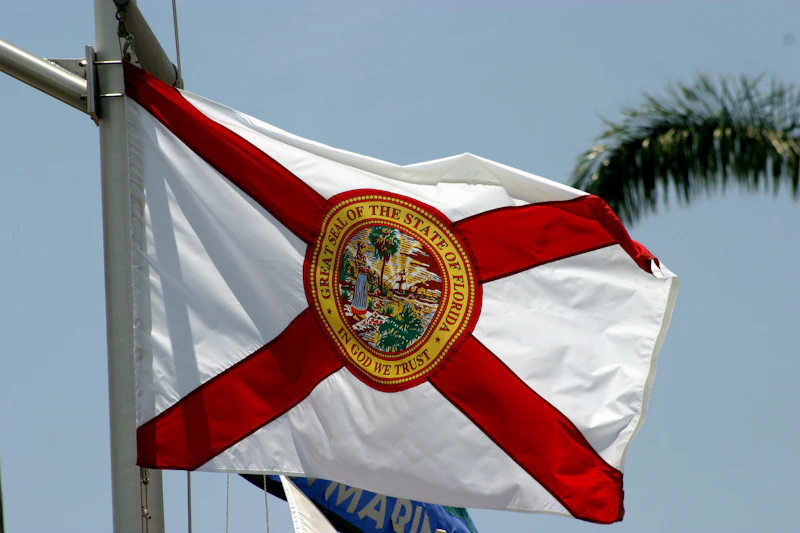
The setting was President Biden’s Mar-a-Lago club, a venue more accustomed to political fundraisers than wartime diplomacy. The choice signaled a deliberate, personal engagement with Zelensky at a critical juncture. The Ukrainian president arrived seeking clarity on continued U.S. support amidst congressional gridlock over a major aid package. For Biden, the summit was a chance to reaffirm an unwavering transatlantic commitment.
Public remarks were notably positive. President Biden hailed the discussions as “terrific,” emphasizing America’s steadfast backing. Zelensky echoed the sentiment, calling the talks “great” and specifically thanking Biden for a newly announced $325 million military aid package. This immediate, tangible support provided a crucial backdrop of solidarity before tackling more divisive subjects.
The Unspoken Elephant in the Room: Territory
Beneath the cordial surface, however, lay the intractable core of the war. When pressed, both leaders acknowledged that the issue of Ukrainian territory currently occupied by Russia remains, in Biden’s words, “unresolved.” This single admission underscores the profound gap between battlefield realities and any potential peace formula. For Ukraine, ceding land is a non-starter, a violation of sovereignty and international law.
For the Kremlin, the annexed regions of Donetsk, Luhansk, Kherson, and Zaporizhzhia are now declared Russian territory. This creates a seemingly impossible diplomatic deadlock. The Mar-a-Lago talks did not produce a roadmap to break it, instead focusing on strengthening Ukraine’s hand so it may eventually negotiate from a position of greater strength. The territorial question was acknowledged as a future, and decidedly thorny, challenge.
Context: A War of Attrition and Global Stakes
The summit occurred as Ukraine’s counteroffensive grinds through heavily fortified Russian lines. Progress is measured in meters, not miles, demanding a vast and sustained supply of ammunition, air defense, and armored vehicles. The U.S. commitment is pivotal, but it faces domestic political headwinds, with some Republican lawmakers questioning the scale of expenditure.
Globally, the conflict has reshaped alliances and energy markets, triggering inflation and food security crises. A protracted stalemate risks draining Western resolve while empowering other authoritarian states. The Mar-a-Lago meeting was, in part, a signal to allies and adversaries alike that U.S. leadership remains engaged, aiming to prevent fragmentation within the NATO coalition.
The Path Forward: Arm Now, Talk Later?
The apparent strategy emerging from Florida is one of sustained pressure. By bolstering Ukraine’s military capacity, the U.S. and its allies hope to shift the conflict’s dynamics, potentially forcing Russia to reconsider its maximalist goals. This “arm now, talk later” approach defers the territorial impasse, betting that a stronger Ukraine will have more leverage in any future negotiation.
Yet, this carries significant risks. It assumes continued Western unity and financial stamina over what could be years. It also accepts the grim reality of prolonged warfare and human suffering. Furthermore, it does not address the potential for escalation, including the threat of nuclear rhetoric from Moscow, which has periodically resurfaced throughout the conflict.
Conclusion: Progress Measured in Resolve, Not Resolution
The Mar-a-Lago summit succeeded in reinforcing the strategic partnership at a moment of uncertainty, but it did not magic away the war’s central dilemma. Progress was measured not in diplomatic breakthroughs on borders, but in the reaffirmation of resolve. The “thorny issues” remain entirely unresolved, a testament to the profound complexity of ending a war where both sides view core territorial claims as existential. The road ahead is defined by a stark truth: while the commitment to Ukraine’s defense was strengthened, the path to a just and lasting peace remains shrouded in the fog of war.