4 min read • 760 words
Introduction
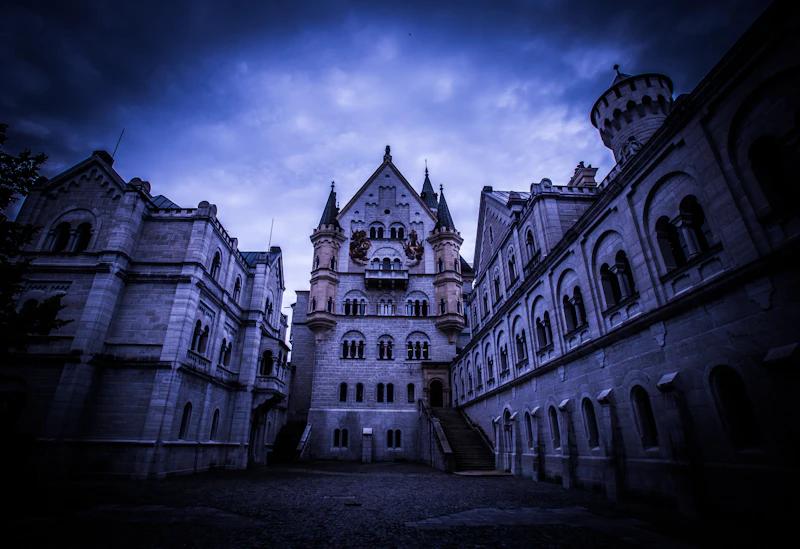
Tonight, a chilling psychological experiment begins as the BBC’s smash-hit reality show, *The Traitors*, returns. This season, the producers have upped the ante by casting contestants whose professions are built on deception and detection. Among the twenty-two strangers entering a remote Scottish castle are a detective, a crime novelist, and a barrister, setting the stage for what could be the most cunning game of trust and betrayal yet televised.

A Cast of Human Lie Detectors
The new lineup is a deliberate masterstroke. Alongside the detective and novelist, contestants include a cyber security expert, a nursery school teacher, and a barrister. This creates a fascinating dynamic where professional truth-seekers and storytellers must navigate a game where lying is the core mechanic. The detective’s instinct to interrogate will clash with the novelist’s skill for crafting believable fiction, all under one roof.
The Game’s Unforgiving Mechanics
For the uninitiated, *The Traitors* is a high-stakes social deduction game. Upon arrival, a small, secret group is anointed as ‘Traitors’ by host Claudia Winkleman. Their mission is to eliminate the ‘Faithful’ contestants without being discovered. The Faithful must root out the deceivers through daily roundtable discussions, where accusations fly and alliances shatter. One wrong vote can see an innocent player banished.
Why This Casting Changes Everything
Previous seasons relied on the tension of everyday people grappling with extraordinary deceit. Introducing experts in law, investigation, and narrative fundamentally alters the playing field. The detective, trained to spot micro-expressions and inconsistencies, becomes a potential powerhouse. Conversely, the crime novelist, who spends their life constructing perfect crimes on paper, may possess an innate understanding of a Traitor’s mindset.
The Professional Paradox
However, these professional skills are a double-edged sword. A detective who is too perceptive may become an immediate target for the Traitors. A barrister, adept at persuasive argument, could be seen as manipulating the group. Their expertise might make them brilliant players or paint a giant target on their backs. The question is whether their real-world training will be an asset or a fatal liability in this artificial world of lies.
Context: The Reality TV Arms Race
*The Traitors* isn’t just a hit; it’s a global phenomenon. The format, originally Dutch, has spawned versions from the USA to Australia, consistently topping ratings. Its success lies in tapping into a pure, almost Shakespearian, human drama: trust versus betrayal. By casting professionals of deception, the BBC is strategically evolving the format to prevent viewer fatigue and deepen the psychological complexity.
The Claudia Winkleman Factor
Host Claudia Winkleman’s role cannot be overstated. Her gothic-inspired wardrobe and piercing, knowing gaze set the perfect ominous tone. She is the game’s puppet master, delivering instructions with a mix of warmth and chilling detachment. Her interactions with contestants, particularly during the nerve-shredding ‘murders’ and roundtables, add a layer of theatrical gravity that elevates the show beyond typical reality fare.
A Social Experiment Under Camera Lights
At its core, the show is a compelling social experiment. It forces people to question their every interaction. A comforting chat over breakfast could be a strategic maneuver; a defensive outburst might be a sign of guilt or sheer panic. Placing individuals with analytical professions in this environment will test if their trained instincts hold under the unique pressure of being both participant and prey.
Viewer Psychology: Why We Can’t Look Away
Audiences are not just passive observers; they become armchair detectives. The show’s editing masterfully plants clues and red herrings, inviting viewers to play along. Casting a real detective directly mirrors the audience’s own role, creating a powerful identification point. We will inevitably measure our own judgments against his, blending our living-room analysis with the high-stakes drama unfolding on screen.
The Stakes: More Than Just Prize Money
While the potential £120,000 prize is a powerful motivator, the true currency in the castle is social capital. Reputation is everything. Being branded a traitor or a gullible Faithful carries a weight that lingers beyond the game. For the professional contestants, their performance could tangentially affect public perception of their real-world careers, adding an unforeseen layer of personal risk.
Conclusion and Future Outlook
As the first episode airs tonight, it heralds a bold new chapter for competitive reality TV. By recruiting a brain trust of deception experts, *The Traitors* has transformed from a social game into a cerebral clash of professional paradigms. Its success will likely inspire a wave of imitators seeking similar ‘expert’ casts. Ultimately, the season promises to answer a provocative question: In a world of manufactured lies, whose truth-seeking profession will reign supreme? The game of whispers, accusations, and perfectly crafted deceptions begins now.