4 min read • 627 words
Introduction
In a surreal twist of modern celebrity, Todd and Julie Chrisley traded prison khakis for elaborate costumes on national television. Their recent appearance on *The Masked Singer* wasn’t just a performance; it was a defiant re-entry into public life, underscored by an unexpected endorsement from a former president. This moment encapsulates a bizarre new chapter where reality TV, legal consequences, and political spectacle collide.

A Performance Forged in Adversity
As the ‘Prison Bells’ costume came off, revealing the couple, Julie Chrisley described their mindset to *The Hollywood Reporter*. “We embraced it from the beginning,” she stated. Their song choice, Elvis Presley’s “Jailhouse Rock,” was a cheeky, unmissable nod to their recent past. The performance transcended mere singing; it was a meticulously choreographed statement of resilience, broadcast to millions.
The Unseen Rehearsal: Life After Sentencing
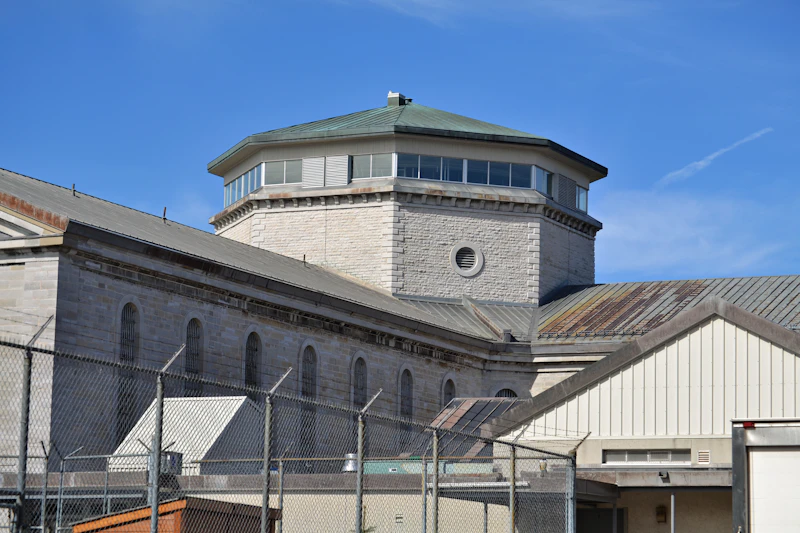
The Chrisleys’ path to the stage was paved with federal charges, convictions for bank fraud and tax evasion, and subsequent prison sentences. Released early to home confinement in 2026, their public narrative shifted from scandal to comeback. This TV gig became their first major joint venture post-release, a chance to control their narrative through the very medium that made them famous.
An Unexpected Voice from Mar-a-Lago
Adding another layer to their story, Todd Chrisley revealed private advice from Donald Trump. While not detailing the conversation, he framed it as supportive encouragement from someone familiar with legal battles and public redemption arcs. This interaction ties the couple’s personal saga to a broader political landscape, highlighting how cultural figures navigate post-conviction life.
The Calculated Optics of a Comeback
Every element of their appearance was loaded with meaning. The costumes, the song, the revealed faces—all were strategic. In the court of public opinion, they pleaded their case not with legal briefs but with showmanship. This move reflects a new playbook for fallen celebrities, where traditional rehabilitation is bypassed for a direct appeal to audience sentiment via entertainment.
Reality TV’s Evolving Role in Redemption
The Chrisleys’ arc underscores reality television’s powerful, and often troubling, role in shaping narratives. Their series, *Chrisley Knows Best*, softened their image for years. Now, *The Masked Singer* offers a platform for symbolic rebirth. It raises questions about the medium’s function: is it merely entertainment, or a modern tool for reputation management and crisis PR?
Public Reaction: Sympathy, Cynicism, and Spectacle
Audience response has been sharply divided. Supporters see a family overcoming persecution, while critics view the performance as a tone-deaf glamorization of white-collar crime. This division is emblematic of our polarized times, where personal narrative often outweighs factual record, and celebrity status can blur the lines between accountability and absolution.
The Broader Context of Celebrity and Justice
The Chrisley case sits at a contentious intersection. It fuels ongoing debates about sentencing equity and whether fame and wealth afford a softer landing after legal trouble. Their ability to secure a prime-time spotlight immediately post-confinement stands in stark contrast to the anonymous struggles of most formerly incarcerated individuals seeking a second chance.
Looking Ahead: The Future of a Brand
This performance was likely the opening salvo in a broader brand rehabilitation. With pending appeals and potential new media projects, the Chrisleys are betting on their story’s marketability. Their future hinges on whether the public continues to buy the version of events they are selling—a narrative of unfair targeting and triumphant return, packaged as family-friendly entertainment.
Conclusion: A New Blueprint for the Fallen Star?
The Chrisleys’ journey from a federal penitentiary to *The Masked Singer* stage, cheered on by a political heavyweight, may establish a new template. It demonstrates that in today’s media ecosystem, a comeback can be launched not through quiet contrition, but through a high-rated, strategically ironic television spectacle. Their story is less about guilt or innocence and more about the undeniable power of narrative, relentlessly performed.