5 min read • 996 words
French, UK Shares Trade Steady in Thin Christmas Eve Trading
European markets entered a state of suspended animation on Christmas Eve. While most major continental exchanges were shuttered for the holiday, the UK’s FTSE 100 and France’s CAC 40 saw minimal activity.
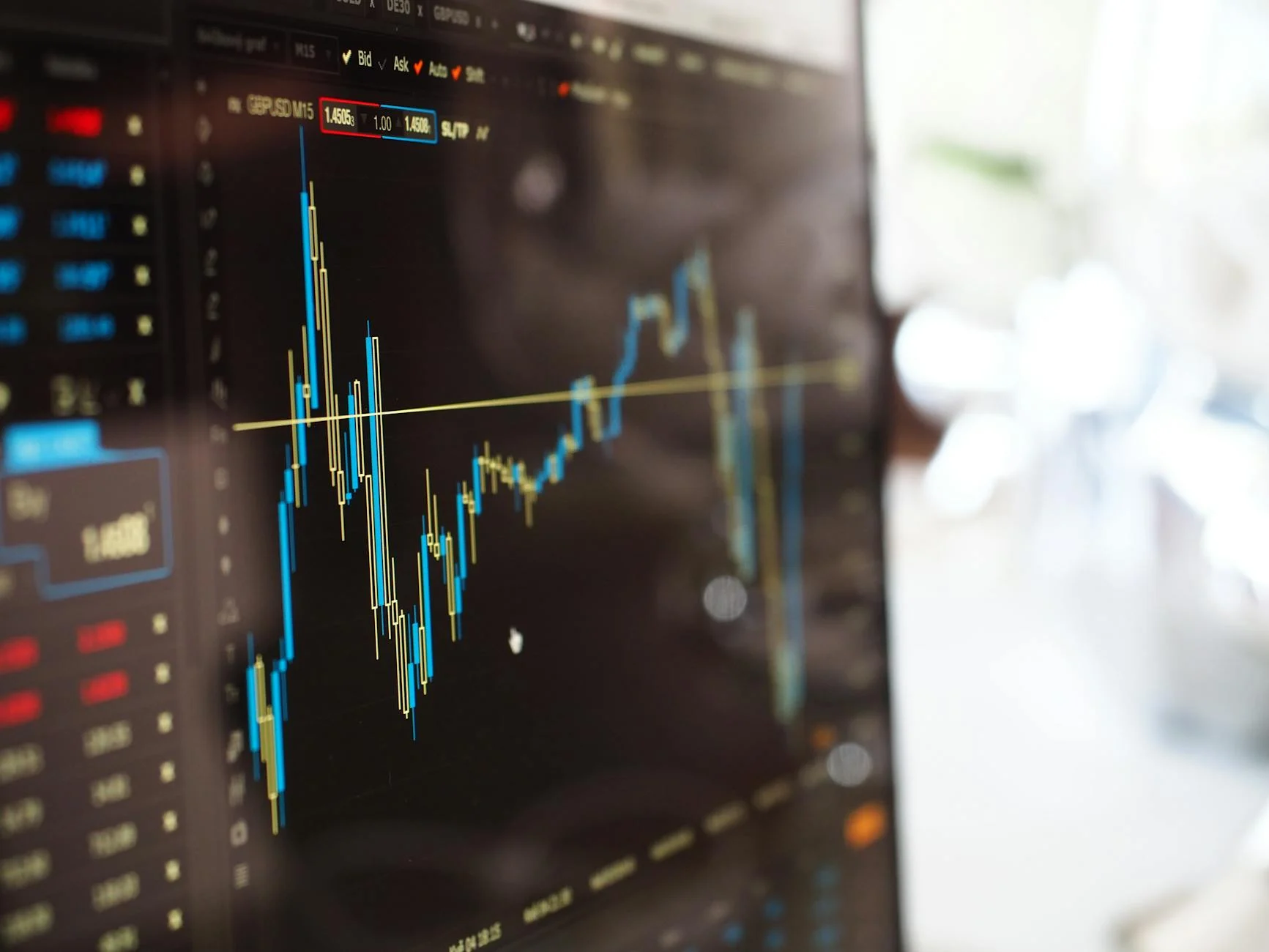
Trading volumes were predictably anemic, resulting in flat to marginally positive closes for the open indices.
A Quiet End to a Volatile Year
The subdued session provided a stark contrast to the year’s overall turbulence. Investors used the quiet day to consolidate positions after a period marked by inflation battles and geopolitical uncertainty.
This calm finish, however, belies the significant stories that shaped global finance in 2025. For instance, the remarkable performance seen in Over 300 Stocks Doubled in 2025! highlights the pockets of explosive growth that emerged despite broader challenges.
Why Some Markets Remain Open on Christmas Eve
Not all global financial centers observe the same holiday schedule. The UK and France traditionally close only on Christmas Day and Boxing Day, leaving Christmas Eve as a truncated trading session.
This half-day activity is largely symbolic, allowing for final settlements but lacking the liquidity for significant price discovery. Most major institutional players have already closed their books for the year.
The thin volumes mean that even small trades can cause disproportionate price swings, though none materialized this session.
Key Factors Influencing Year-End Sentiment
The quiet trading belied several powerful forces that investors will grapple with in the new year. Central bank policy remains the dominant theme, with markets parsing every word from the Fed and ECB.
Furthermore, global economic interconnectivity means events in one region ripple across others. For example, China’s Trade Surplus Tops $1 Trillion, a development with profound implications for European exporters and global demand.
Other major stories from the year demonstrate the diverse drivers of market sentiment:
- Central Bank Pivot Timing: The ongoing debate over when rate cuts will begin.
- Geopolitical Tensions: Continued conflicts affecting energy and commodity prices.
- Corporate Earnings Resilience: Whether company profits can withstand higher costs.
- Technological Disruption: The AI boom and its market winners, reminiscent of How Google Defied the Doomsayers.
- Consumer Strength: The ability of households to keep spending amid inflation.
A Look Ahead to 2026’s Market Landscape
As traders look beyond the holiday lull, the early 2026 calendar is coming into focus. The first weeks of January will set the tone, with key economic data releases and corporate guidance.
Sectors that were laggards in 2025 may see renewed interest if the economic outlook brightens. Conversely, last year’s high-flyers could face profit-taking pressure.
Investors should prepare for several critical themes:
- Q4 Earnings Season: The first major corporate reports will validate or contradict market optimism.
- Inflation Data Prints: The next Consumer Price Index (CPI) reports will be scrutinized for cooling trends.
- Political Developments: Elections and policy shifts in major economies can create volatility.
- Bond Market Stability: Yield movements will continue to dictate equity valuations.
- Sector Rotation: Capital may shift from defensive plays to more cyclical stocks.
Navigating Low-Liquidity Trading Periods
For retail investors, periods like Christmas Eve trading present unique risks and opportunities. The lack of volume can lead to exaggerated spreads between bid and ask prices.
It is generally advised to avoid placing large market orders during such times. Limit orders are a safer tool to control execution price when liquidity is thin.
Resources like the SBA offer guidance on financial planning, while platforms like Bloomberg provide the real-time data crucial for informed decisions.
Key considerations for thin trading days include:
- Wider Bid-Ask Spreads: The cost of trading is inherently higher.
- Price Gaps: Assets are more prone to sharp moves on minimal news.
- Reduced Market Depth: Large orders are difficult to fill without moving the price.
- Strategic Patience: Often, waiting for normal liquidity to return is the wisest course.
Frequently Asked Questions
Why were only French and UK shares trading?
Most other major European exchanges, like Germany’s DAX and Italy’s FTSE MIB, were fully closed for the Christmas Eve holiday. The UK and France typically operate a half-day on the 24th before closing for Christmas and Boxing Day.
Does thin trading volume affect stock prices significantly?
Yes, low volume can amplify price movements. A single large trade in a quiet market can push a stock’s price more than it would on a normal day, though this effect was muted in this particular session.
What should individual investors do during holiday trading?
Exercise caution. It’s often best to avoid significant trades due to higher volatility and wider spreads. Use limit orders instead of market orders to maintain control over your execution price.
Is a quiet Christmas Eve a predictor for January’s market performance?
Not necessarily. Year-end holiday trading is rarely indicative of future trends. The real market direction will be established in January with fresh liquidity, economic data, and corporate earnings.
Key Takeaways
- Christmas Eve trading was a non-event for French and UK indices, with flat closes on extremely thin volume.
- The calm session provided a pause after a year defined by volatility, central bank actions, and surprising growth stories in specific sectors.
- Investors must navigate low-liquidity periods with specific strategies, like using limit orders, to avoid poor trade execution.
- All eyes are now on the early 2026 calendar, where earnings, inflation data, and central bank meetings will set the new year’s direction.
Final Thoughts
The muted Christmas Eve trading serves as a brief intermission in the continuous drama of the financial markets. Just as in sports, where a match like Vikes dominate Lions despite woeful passing game can defy expectations, markets often find a way to surprise. While this day offered little action, it underscores the importance of strategic positioning and resilience, qualities that define success not just in trading but in competitive endeavors across the board, from the tennis court, as seen in Tommy Paul’s Epic US Open Battle, to the global economic stage. As we turn the page to 2026, the lessons of adaptability and diligent analysis remain paramount.

About the Author
James Anderson
Business journalist specializing in market analysis, startup ecosystems, and corporate strategy.