Introduction
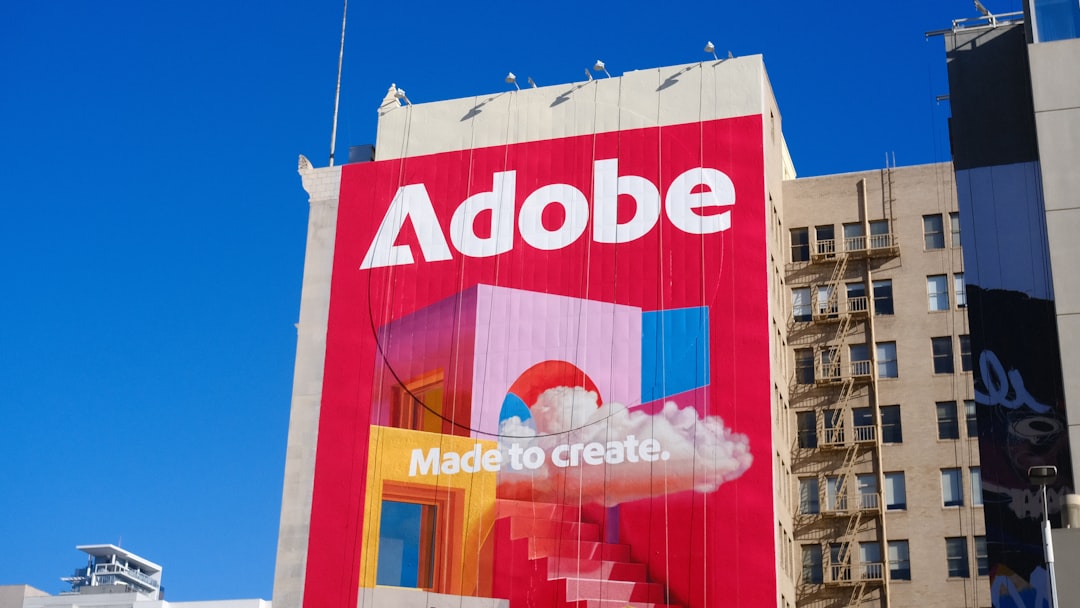
A new legal battlefront has erupted in the generative AI wars, targeting a Silicon Valley stalwart. Adobe, long considered a trusted partner to the creative community, now faces a proposed class-action lawsuit alleging it systematically misused the work of millions of authors and artists to train its Firefly AI models. This case strikes at the heart of the uneasy relationship between legacy creative software and the AI revolution it is helping to fuel.

The Core Allegations: A Breach of Trust?
The lawsuit, filed in a U.S. District Court, presents a damning narrative. It accuses Adobe of violating the rights of countless users by training its flagship Firefly image-generation tools on content sourced from its own stock library, Adobe Stock, without proper compensation or explicit consent. Plaintiffs argue this constitutes a massive breach of contractual terms and copyright law.
Central to the claim is the allegation that Adobe leveraged the proprietary work of contributors who uploaded content to Adobe Stock under specific licensing agreements. These agreements, the suit contends, were for traditional stock photo usage, not for feeding datasets that could ultimately create synthetic competitors to the original artists’ own work.
Adobe’s Position and the Firefly Data Narrative
Adobe has publicly championed Firefly as being trained on “commercially safe” data, a direct response to industry-wide concerns about copyright infringement. The company has emphasized its use of content from Adobe Stock, openly licensed work, and public domain material. This, it argues, differentiates Firefly from competitors trained on scraped web data.
However, the lawsuit reframes this “ethical” stance as potentially exploitative. It questions whether Stock contributors were ever adequately informed that their portfolios would be used to build AI systems. The legal complaint suggests Adobe’s control over its Stock library created a uniquely captive dataset, used without the transparency or opt-out mechanisms now being demanded industry-wide.
The Expanding Legal Quagmire for AI
This case is not an isolated event. It represents the latest tremor in a seismic legal shift targeting generative AI’s foundational practices. From The New York Times suing OpenAI and Microsoft to authors and artists filing suits against Stability AI and Midjourney, the industry is under unprecedented scrutiny. Each case probes the murky doctrine of “fair use” in the context of AI training.
What sets the Adobe suit apart is the direct, contractual relationship between the company and the alleged victims. Unlike web-scraping cases, this hinges on the terms of service and licensing agreements governing Adobe Stock. The outcome could establish new precedents for how platforms with proprietary content collections can ethically develop AI, impacting companies from Shutterstock to Getty Images.
Broader Implications for the Creative Economy
The lawsuit voices a profound anxiety rippling through creative professions. For photographers, illustrators, and writers, generative AI presents an existential threat, capable of producing vast volumes of content styled after their life’s work. The fear is not just imitation, but obsolescence, as AI tools become integrated into the very software suites they rely on for their livelihoods.
This case forces a critical examination of the social contract between creative platforms and their users. Professionals who built Adobe’s ecosystem by purchasing its software and populating its Stock library now feel their contributions have been weaponized against them. The sense of betrayal could drive a wedge between toolmakers and the communities they serve.
Technical and Ethical Crossroads
The controversy also highlights a technical dilemma. For AI models to generate professionally relevant output, they require high-quality, well-labeled training data. Adobe Stock represents a treasure trove of such material. The ethical path to using it, however, remains fiercely contested. Should contributors be paid royalties for AI training? Should they have an irrevocable opt-out right?
Industry observers note that while Adobe positioned Firefly as a solution to ethical concerns, it may have underestimated the nuanced expectations of its own community. The lawsuit suggests that “commercially safe” is not synonymous with “ethically sourced” in the eyes of contributors who expected partnership, not potential displacement, from the platform.
Potential Outcomes and Industry Ripples
The lawsuit seeks unspecified damages and a court order to halt the alleged practices. A victory for the plaintiffs could trigger a wave of similar actions against other content-platforms-with-AI, like Canva or Salesforce. It could also force a massive restructuring of how AI training datasets are licensed and compensated, potentially increasing costs and complexity for developers.
Conversely, a win for Adobe would reinforce the current practice of using in-house, licensed content for AI training under broad terms of service. It would provide a legal shield for similar business models, potentially accelerating AI integration across creative software. The discovery process alone promises to unveil closely guarded details about AI training practices.
Conclusion: A Defining Moment for Creative Tech
This lawsuit against Adobe marks a pivotal moment, moving the AI copyright debate from the shadowy realm of web scraping into the defined contractual relationships of proprietary platforms. Its resolution will send a powerful signal about the permissible boundaries of innovation when it clashes with contributor rights. For the global creative class, the outcome will either validate their fears of systemic exploitation or offer a new framework for collaboration in the AI age.
The future of creative software hinges on balancing relentless technological advancement with the trust of the human creators who give it purpose. How Adobe navigates this firestorm will not only determine its own standing but could also chart the course for an entire industry standing at the crossroads of art and algorithm.