Introduction
The world’s oceans are the stage for a new era of great power competition, and America’s ability to project strength is being tested not by adversaries, but by its own aging industrial base. A clarion call has sounded from Washington to rebuild the nation’s withered shipyards, framing the effort as a matter of urgent national security and economic destiny. This monumental undertaking, however, is a race against time and global rivals, demanding more than political will—it requires a wartime-level mobilization of policy, capital, and international partnership.

The Stark Reality of a Shrinking Fleet
America’s naval supremacy, long taken for granted, faces an unprecedented challenge. The U.S. Navy’s battle force has dwindled to under 300 ships, its smallest size in decades, while China’s People’s Liberation Army Navy now boasts the world’s largest fleet by number. More alarming than the tally is the age and strain on U.S. vessels, with many serving years beyond their intended lifespans. This numerical and qualitative gap isn’t just a statistic; it directly impacts America’s ability to simultaneously deter conflicts in the Indo-Pacific, maintain freedom of navigation, and respond to global crises.
The Crumbling Foundation: America’s Industrial Base
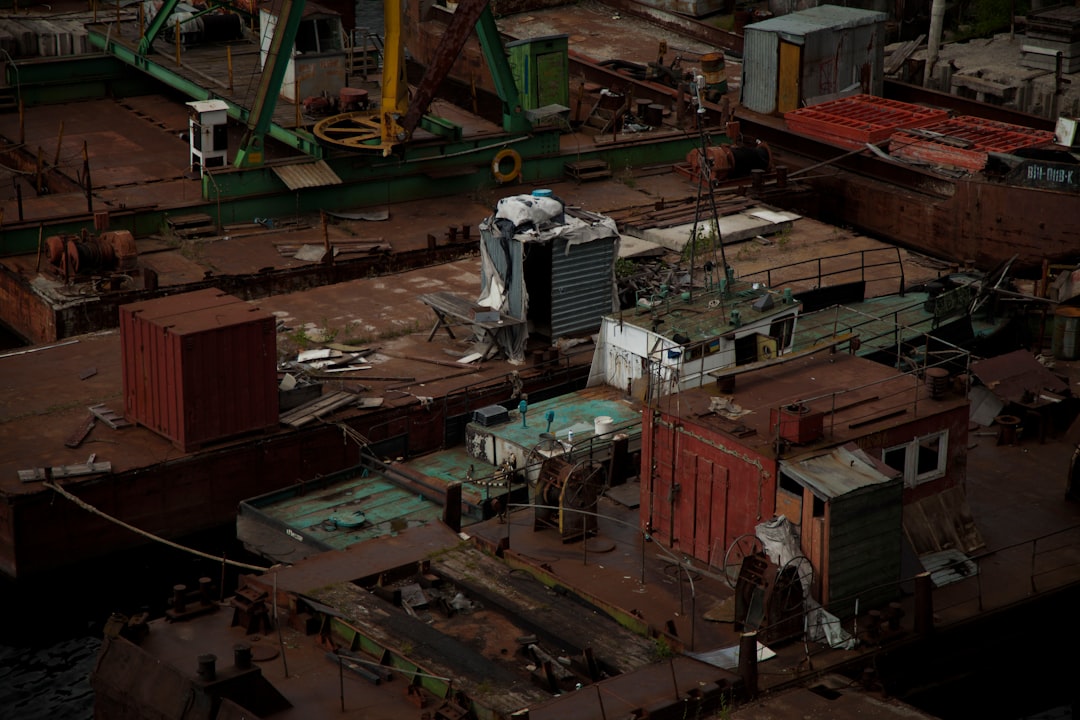
The heart of the problem lies on the factory floor. The U.S. shipbuilding industrial base has atrophied since the Cold War’s end, consolidating into a fragile ecosystem with too few major yards and a shallow, vulnerable supplier network. Critical skills have been lost as generations of welders, electricians, and naval architects retired. Building complex warships is not like flipping a switch; it requires a deep, sustained pipeline of talent and materials that can take a decade to cultivate. Without this foundation, even massive funding injections risk being wasted.
The China Challenge: A Rival’s Relentless Pace
Contrast this with China’s state-driven maritime expansion. Beijing treats shipbuilding as a core strategic industry, subsidizing yards and orchestrating a civilian-military fusion that allows for rapid technological advancement and scale. Chinese commercial shipbuilding dominance provides a massive industrial base that can be leveraged for naval production. This systematic, long-term strategy enables China to launch new classes of destroyers, frigates, and even aircraft carriers at a pace that U.S. planners watch with growing concern, fundamentally altering the balance of power in the Pacific.
The Pillars of a Potential Renaissance
Revival hinges on three interconnected pillars: predictable long-term funding, workforce regeneration, and supply chain resilience. Congress must move beyond erratic budgeting and commit to multi-year block buy contracts, giving shipyards the certainty to invest in modern equipment and hire apprentices. Simultaneously, a national effort akin to the WWII ‘Rosie the Riveter’ campaign is needed to attract a new generation into maritime trades through vocational programs and competitive wages, making these careers prestigious again.
The Ally Advantage: A Force Multiplier
No nation can, or should, go it alone. Strategic alliances offer a crucial accelerant. Deepening partnerships with traditional allies like Japan and South Korea—who possess advanced, high-volume shipbuilding expertise—can provide surge capacity and technological exchange. Collaborative design and production of certain vessel classes could standardize allied fleets, reduce costs, and enhance interoperability. Furthermore, investing in the capacity of key Indo-Pacific partners to maintain their own fleets extends collective maritime reach without solely relying on U.S.-built hulls.
Beyond Battleships: The Commercial Connection
A truly robust maritime strategy cannot focus solely on warships. The Jones Act, requiring goods shipped between U.S. ports to be on American-built, -crewed, and -owned vessels, is a double-edged sword. It sustains a baseline of commercial yard work but also increases costs. Reform discussions must balance protectionism with incentives to modernize the domestic merchant fleet. Revitalizing this sector would create a healthier industrial commons, spreading expertise and innovation between naval and commercial projects.
Innovation on the High Seas
The future fleet will not be won by numbers alone. Integrating unmanned systems—surface, underwater, and aerial—is a potential game-changer. These assets can augment traditional warships, performing dangerous or tedious missions and expanding the fleet’s sensor and strike reach. Investing in these technologies, alongside advanced manufacturing like 3D printing for on-demand parts, could allow the U.S. to leapfrog competitors, achieving greater capability and presence without needing to match rival ship-for-ship.
Conclusion: A Long Voyage Ahead
The journey to restore American maritime industrial vigor is a generational endeavor, measured in decades, not election cycles. It demands a rare consensus in Washington that treats shipbuilding as essential infrastructure, akin to bridges or broadband. The stakes extend beyond naval dominance to economic security, technological leadership, and the preservation of a rules-based international order. Success will require sustained investment, smart partnerships, and a national recommitment to the shipwright’s art. The course is set; the real work of rebuilding has just begun.