Introduction
The world’s oceans are the stage for a new era of strategic competition. As China’s shipyards launch vessels at a staggering pace, a clarion call echoes from Washington to rebuild America’s atrophied naval industrial base. This mission, championed by former President Trump and central to national security debates, is a monumental undertaking with profound implications for global power dynamics.

The Scale of the Challenge
America’s shipbuilding predicament is stark. The U.S. Navy’s battle force has shrunk by over half since the late Cold War, now hovering around 290 deployable ships. Meanwhile, China’s People’s Liberation Army Navy has grown into the world’s largest by number, exceeding 370 major vessels. The disparity in construction capacity is even more telling. Chinese yards possess over 50 times the shipbuilding capacity of their U.S. counterparts, a chasm built over decades of industrial policy.
A Hollowed-Out Foundation
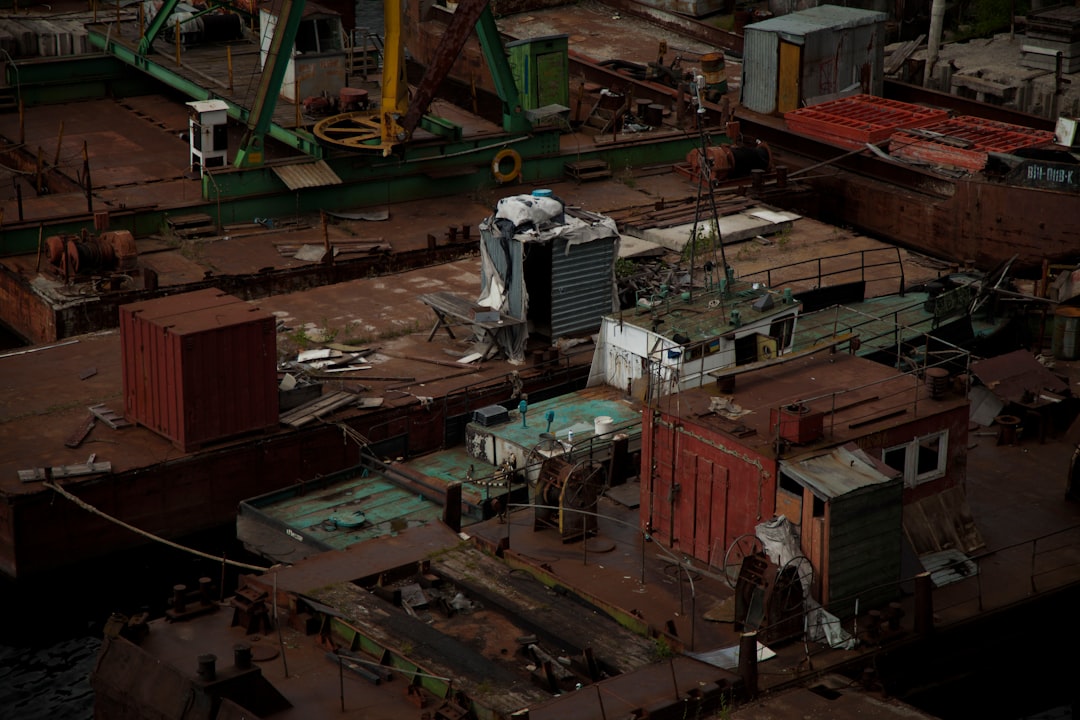
The industry’s decline is systemic. Since the 1970s, the number of major private shipyards has dwindled from over twenty to a mere handful. The skilled workforce, once a national asset, has aged and shrunk, with a ‘missing generation’ of welders, electricians, and shipfitters. Supply chains for critical components, from massive propulsion gears to specialized steel plate, have grown fragile or moved entirely overseas, creating bottlenecks for even routine maintenance.
The Pillars of a Potential Renaissance
Revival is not impossible, but it requires a multi-faceted, sustained national commitment far beyond political rhetoric. Analysts point to three interdependent pillars: sustained funding, workforce regeneration, and strategic partnerships. Unlike a single aircraft carrier, an industrial base cannot be ordered on demand; it must be cultivated over years with predictable, multi-year contracts that allow yards to invest confidently in infrastructure and talent.
The Ally Imperative
Given the scale of the task, going it alone may be impractical. Deepening partnerships with key allies like Japan and South Korea—global shipbuilding leaders with advanced technologies—is a compelling avenue. Collaboration could range from joint design projects and technology sharing to co-production of certain vessel classes. This leverages allied expertise while bolstering collective deterrence and interoperability among friendly fleets.
What’s at Stake: More Than Ships
The stakes transcend naval tonnage. A robust shipbuilding sector is a cornerstone of economic and national security. It supports nearly 400,000 jobs across all 50 states, from welders in Virginia to software engineers in Washington. Militarily, it determines the Navy’s ability to project power, protect sea lanes, and respond to crises. In a potential conflict, the rate at which the U.S. can repair damaged vessels or build new ones could be a decisive, war-winning factor.
The Commercial Void
A critical weakness is the near-total collapse of America’s commercial shipbuilding. Unlike China, where state-backed commercial orders keep yards humming and skills sharp, U.S. yards rely almost exclusively on government defense contracts. This lack of a commercial ‘baseload’ makes the industrial base less efficient, more expensive, and vulnerable to political budget cycles. Reviving this sector, perhaps through mandates for U.S.-built vessels in domestic trade, is a contentious but often-discussed component of a holistic strategy.
Navigating Headwinds
Significant obstacles loom. The sheer cost—estimated in the tens of billions annually—competes with other pressing domestic and defense priorities. Bureaucratic acquisition processes and changing design requirements can delay programs for years, inflating costs. Furthermore, any reliance on allied shipbuilding risks political backlash framed as ‘outsourcing’ national security, despite the strategic benefits.
Conclusion: A Long Voyage Ahead
The quest to restore American shipbuilding supremacy is a generational endeavor, measured in decades, not presidential terms. It demands a strategic consensus that transcends partisan politics, linking economic revitalization to core defense needs. Success would mean a more resilient industrial ecosystem, a potent symbol of national resolve, and a powerful fleet capable of ensuring a free and open Indo-Pacific. Failure would see the strategic gap widen, leaving America’s maritime fate increasingly dependent on the strength and goodwill of others in an uncertain world.