Introduction
The world’s oceans are witnessing a silent, high-stakes race for maritime dominance. As China’s shipyards launch vessels at a staggering pace, a pressing question echoes in Washington’s corridors of power: can the United States rebuild its atrophied naval industrial base? The challenge is monumental, blending economic policy, national security, and a deep-seated need for strategic independence.

The Stark Reality of a Shrinking Fleet
Numbers tell a sobering story. The U.S. Navy’s battle force has contracted from nearly 600 ships during the Reagan administration to under 300 today. Meanwhile, China’s People’s Liberation Army Navy has surged to become the world’s largest by hull count. This isn’t merely about tallying ships; it’s about global reach, deterrence, and the ability to secure vital sea lanes. A smaller fleet strains global commitments, forcing admirals to make impossible choices about where to deploy limited assets.
The Industrial Base: A Skeleton Crew
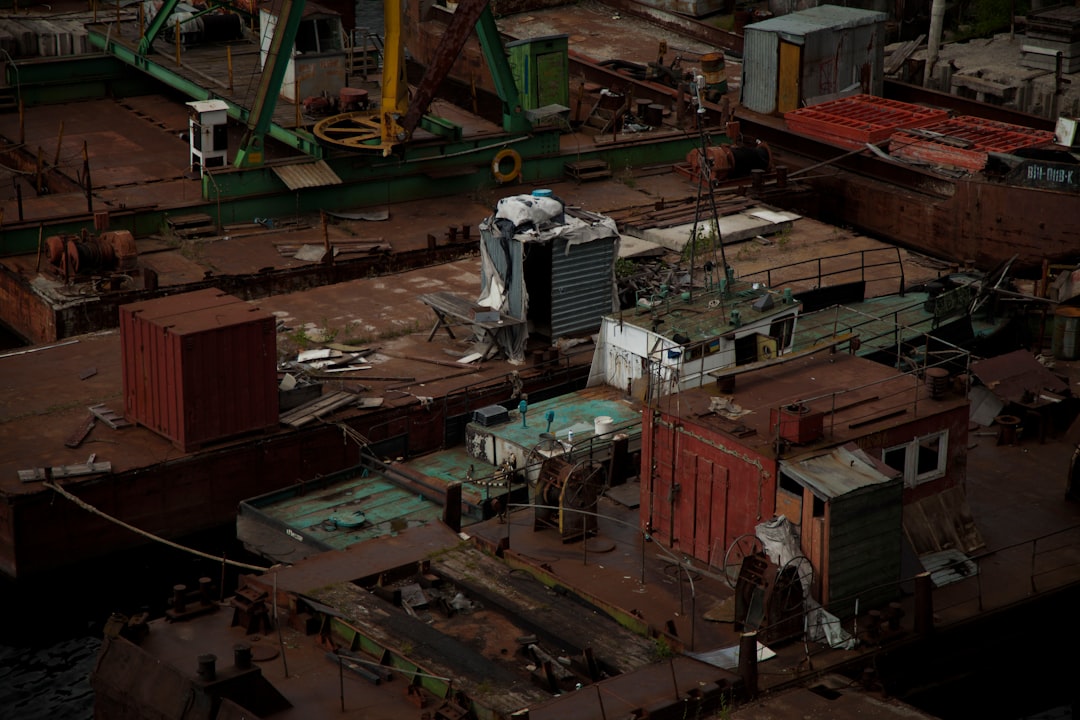
The core issue lies in America’s withered shipbuilding ecosystem. Where dozens of major yards once thrived, now only a handful—primarily Huntington Ingalls and General Dynamics’ Bath Iron Works—build complex warships. The skilled workforce, from welders to naval architects, has aged and shrunk. Supply chains for specialized components are fragile, often reliant on single, aging suppliers. Reversing this decay is a generational endeavor, not a simple policy switch.
More Than Just Political Will
Revitalization demands sustained, predictable investment. Congress must authorize multi-year procurement contracts, providing yards the certainty needed to hire and train workers and invest in modern facilities like automated welding and digital design. The current system of annual funding creates a boom-bust cycle that stifles long-term planning. Investment must also target the vast network of small and medium-sized suppliers that form the industry’s backbone.
The Critical Role of Allies
Success cannot be an exclusively American endeavor. Key allies like Japan and South Korea possess some of the world’s most advanced, efficient commercial shipbuilding industries. Strategic partnerships could involve technology sharing, co-production of certain vessel types, or leveraging allied yards for auxiliary ships to free U.S. capacity for complex combatants. This collaborative approach multiplies strength while fostering deeper security ties.
The Stakes: Economic and Strategic Sovereignty
The implications extend far beyond the military. A robust shipbuilding sector is a powerhouse of high-skilled manufacturing jobs and technological innovation, with ripple effects across metallurgy, electronics, and software. Strategically, over-reliance on foreign yards—even allied ones—for critical components poses a security risk. In a crisis or conflict, control over the entire production process, from raw steel to final fitting, becomes a matter of national survival.
The Commercial Maritime Link
A true renaissance cannot ignore the U.S. merchant marine. The Jones Act, which requires domestic build and crew for cargo moving between U.S. ports, sustains a handful of commercial yards. However, the high cost of U.S.-built ships has crippled the size of the fleet. Innovative approaches, perhaps through new vessel designs or construction subsidies, are needed to grow this sector, creating a larger industrial base that can also support naval projects.
Conclusion: A Long Voyage Ahead
Rebuilding American sea power is a decade-long journey, not a quick fix. It requires a rare bipartisan consensus in Washington to maintain funding across administrations, a whole-of-nation approach engaging industry and labor, and smart collaboration with trusted partners. The cost will be immense, but the cost of inaction—a weakened ability to deter aggression and protect global trade—is immeasurably greater. The course is set; the real work is just beginning.