Introduction
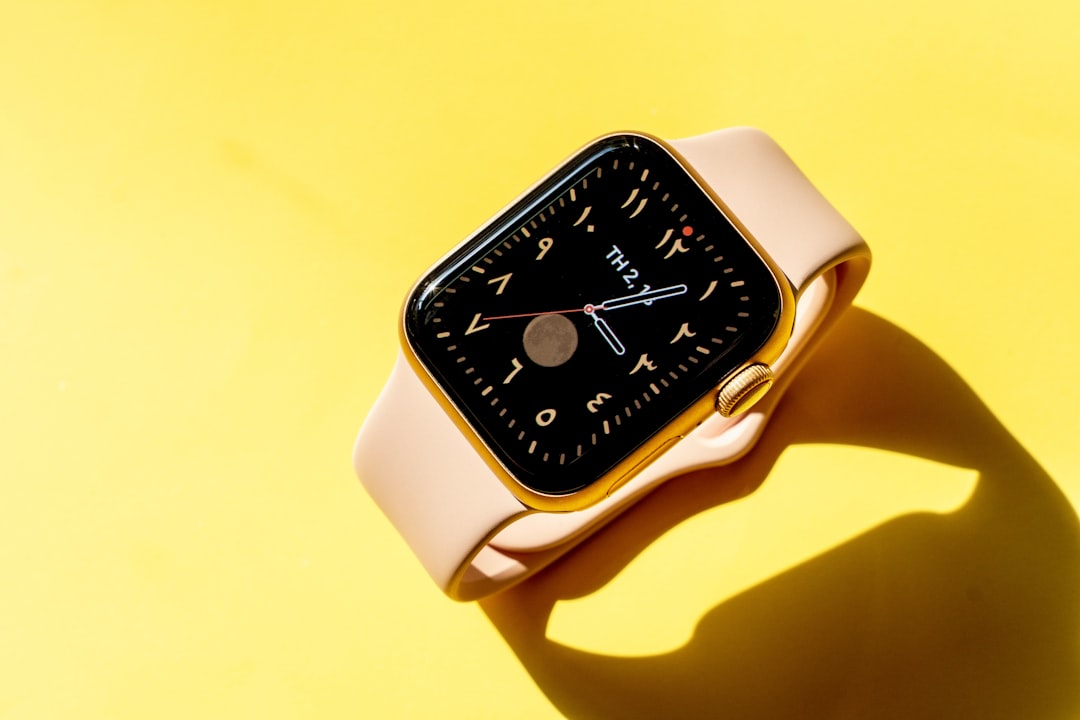
In the decade since its debut, the Apple Watch has evolved from a curious iPhone accessory into a personal command center for millions. Today, Apple offers not one, but three distinct paths: the accessible SE, the flagship Series, and the rugged Ultra. Choosing the right model is less about finding the “best” and more about discovering which watch best integrates into your unique lifestyle, health priorities, and daily adventures.

The Landscape of Choice: A Decade of Evolution
Apple’s 2015 launch presented a single vision for the smartwatch. Fast forward, and strategic segmentation mirrors the iPhone’s success. The SE democratizes core features, the Series refines the premium experience, and the Ultra carves a new niche for extreme performance. This trio ensures there’s an Apple Watch for nearly every wrist and wallet, transforming a universal gadget into a deeply personal tool.
Philosophy of the Lineup
Apple’s strategy is deliberate. The SE isn’t a watered-down model but a focused one, offering the essential smartwatch experience. The Series represents the technological vanguard, incorporating the latest health and connectivity sensors. The Ultra defies convention, prioritizing durability and specialized utility over mainstream aesthetics. Understanding this hierarchy is key to a satisfying purchase.
The Gateway: Apple Watch SE (3rd Generation)
Priced aggressively, the latest SE shatters the notion of “entry-level.” It now boasts the crucial always-on display and the responsive S10 chip, enabling intuitive gestures like Double Tap. With fast charging, 5G cellular options, and a new wrist-temperature sensor, it delivers remarkable sophistication. The compromise? It forgoes the Series’s most advanced medical-grade sensors, like ECG and blood oxygen monitoring.
Ideal User Profile
The SE is perfect for first-time buyers, fitness newcomers, and families seeking a capable, connected device for older children or teens. It’s also a savvy choice for upgraders from older Series models who want modern speed and convenience without needing frontier health diagnostics. For most daily tasks—notifications, workouts, payments—it excels.
The Benchmark: Apple Watch Series 11
The Series 11 stands as the holistic embodiment of Apple’s vision. It builds on the SE’s foundation with critical health-tech additions: the ECG app for atrial fibrillation detection and blood oxygen saturation monitoring. Materials like aluminum, stainless steel, and titanium offer aesthetic choice. It’s the watch for those who view their wristwear as both a lifestyle statement and a health guardian.
The Health Guardian Role
This model is for the health-conscious individual. The ability to take an on-demand ECG or review blood oxygen levels during sleep provides profound peace of mind. For managing conditions like hypertension or simply pursuing optimized wellness, these features transition the watch from a tracker to a proactive health partner, potentially identifying issues before they become emergencies.
The Specialist: Apple Watch Ultra 2
The Ultra is a different beast. With a rugged titanium case, a massive, brightest-ever display, and a customizable Action button, it’s engineered for extremes. Its 36-hour normal battery life (up to 72 in low-power mode) and dual-frequency GPS make it indispensable for marathoners, divers, hikers, and adventurers who operate beyond the grid. This is a tool, not just an accessory.
Beyond the Gimmick
While its bold design turns heads, the Ultra’s value is functional. The precision GPS is crucial for trail mapping. The depth gauge and water resistance to 100 meters certify it for recreational diving. The siren can be a lifesaver in remote locations. For the serious athlete or explorer, these aren’t extras; they’re core to the activity’s safety and success.
Making Your Decision: A Practical Framework
Start by honestly assessing your primary use case. Is it general fitness, health management, or adventure sports? Next, consider your iPhone’s lifecycle; pairing with a very old model may limit features. Finally, try them on. The Ultra’s size and weight are tangible, while the SE’s lighter feel might appeal. Your wrist’s comfort is a daily reality.
The Cellular Question
Adding cellular connectivity unlocks true independence, allowing calls, streams, and messages without your iPhone nearby. It’s transformative for runners, swimmers, or parents who want to stay reachable while leaving their phone behind. Weigh this monthly carrier fee against the freedom it provides—for many, it’s the upgrade that most changes how they use the watch.
The Horizon: What’s Next for Apple Watch?
The future points toward greater autonomy and advanced health monitoring. Rumors persist about non-invasive glucose and blood pressure sensing, technologies that would be revolutionary. Further battery life improvements and even more robust standalone app functionality are also likely. As sensors shrink and AI models advance, the watch may evolve into a primary, preventative health diagnostic tool.
Conclusion: Your Wrist, Your Choice
There is no singular “best” Apple Watch. The SE is a triumph of value, the Series 11 is the balanced flagship, and the Ultra is a purpose-built instrument. Your ideal match lies at the intersection of your health ambitions, daily routine, and personal style. This deliberate segmentation ensures that, for the first time, you’re not just buying an Apple Watch—you’re choosing a partner specifically designed for your version of an active, connected life.