Introduction
In the high-stakes world of monetary policy, where decisions ripple through every pocketbook and pension fund, a fundamental principle is facing renewed scrutiny. The Federal Reserve’s cherished independence, long considered the bedrock of economic stability, is being tested not by market forces, but by the political winds swirling around its leadership. The question is no longer just about interest rates, but about proximity to power.

The Unspoken Litmus Test for the Fed’s Top Job
Former Trump economic advisor Kevin Hassett recently ignited debate by asserting that friendship with a sitting president should not be a disqualifier for the Fed Chairmanship. His comments, made in a CNBC interview, cut to the heart of a modern dilemma. While Hassett sidestepped questions about his own potential candidacy, he emphasized the critical need for a chair who can “forge consensus.” This seemingly benign statement carries immense weight in today’s polarized climate.
The Fed’s dual mandate—maximum employment and stable prices—requires making profoundly unpopular decisions. Raising interest rates to cool inflation can slow hiring and growth. Doing so requires a leader insulated from political reprisal. Historically, presidents have publicly respected this boundary, even when privately frustrated. The tradition of reappointing Fed chairs from opposing parties, like Bill Clinton with Alan Greenspan, underscored this norm.
Why Independence Isn’t Just a Tradition, It’s a Tool
Central bank independence is not an abstract concept for ivory-tower economists. It is a practical tool for maintaining economic credibility. When investors and global markets believe the Fed is acting on data, not political expediency, long-term interest rates remain lower and more stable. This credibility, painstakingly built over decades, directly influences mortgage rates, business investment, and the dollar’s strength on the world stage.
Political pressure on central banks often follows a predictable pattern. In the short term, low rates can stimulate growth, making an incumbent look good. However, prolonged artificially low rates can seed the kind of runaway inflation that cripples economies. An independent Fed acts as a crucial circuit breaker against this cycle. Its leaders must have the fortitude to say “no” to the very person who may have appointed them.
The Historical Precedent: When Lines Have Blurred
History offers cautionary tales. In the 1960s, Fed Chair William McChesney Martin famously acceded to President Lyndon Johnson’s demands for low rates to fund the Vietnam War and Great Society programs, contributing to the stagflation of the 1970s. More recently, President Trump’s public lambasting of Chair Jerome Powell for raising rates marked a stark departure from post-war norms, openly challenging the Fed’s policy decisions in real-time.
These episodes demonstrate that the threat is rarely a direct order. It is the subtle, pervasive pressure of allegiance. A chair appointed precisely for their loyalty faces an inherent conflict. Can they truly make a painful, necessary decision that might damage their friend and patron’s re-election prospects? The perception of bias can be as damaging as the reality, undermining market confidence instantly.
The Consensus-Builder vs. The Political Ally
Hassett’s focus on consensus-building is telling. The Federal Open Market Committee (FOMC) comprises twelve voting members with diverse views. A successful chair must guide this group through complex data to a unified decision, a task requiring deep technical expertise and political skill within the committee itself. This internal dynamic is distinct from external political loyalty.
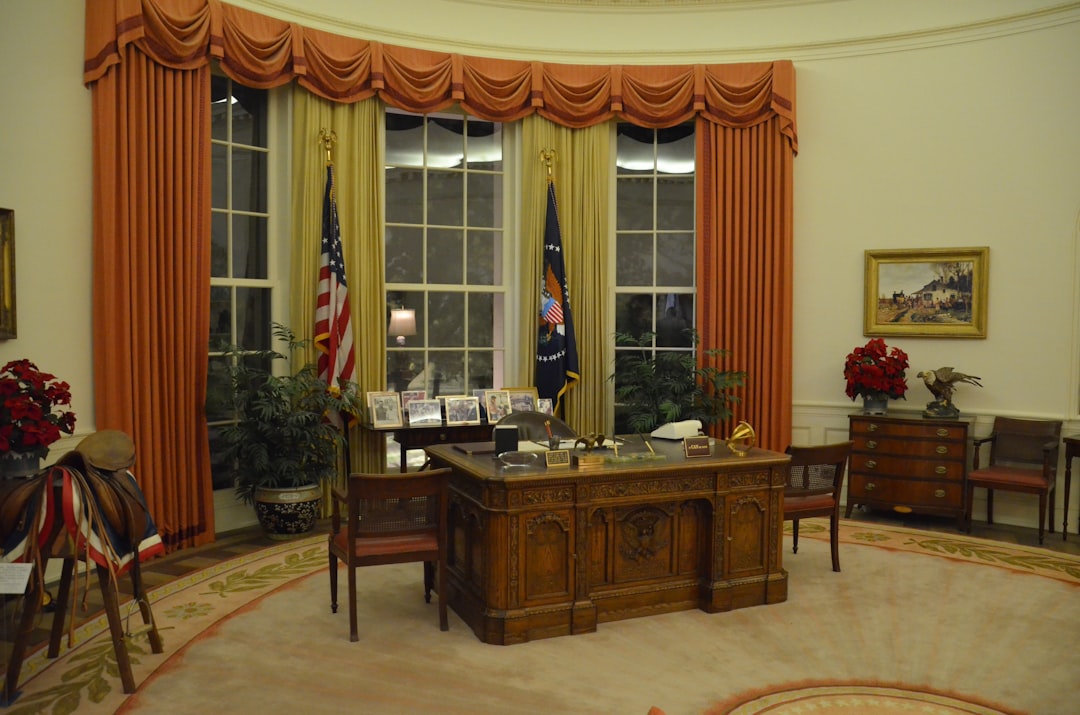
The concern among many economists and former Fed officials is that a chair selected primarily for a close White House relationship may prioritize managing that relationship over the rigorous, often contentious, debate needed for sound policy. The chair’s primary constituency must be the American economy, not the West Wing. Their toughest conversations should happen in the FOMC’s mahogany-paneled room, not the Oval Office.
The Road Ahead: Guardrails in a New Political Era
As the 2026 election approaches and the potential for a new administration looms, the debate over Fed leadership will intensify. The future of Fed independence may depend less on statute and more on norms and the character of appointees. Senators during confirmation hearings will bear significant responsibility in probing a candidate’s commitment to data-driven decision-making, regardless of political pressure.
Furthermore, the Fed’s own transparency—its press conferences, published forecasts, and meeting minutes—acts as a shield. In the sunlight of public scrutiny, politically motivated decisions are harder to conceal. Strengthening these communication tools, rather than weakening them, is vital for maintaining public trust when political associations raise eyebrows.
Conclusion: An Independence Worth Defending
The ultimate test for any Fed chair candidate is not whom they know, but what they know and the strength of their conviction to use that knowledge without fear or favor. While personal relationships should not be an automatic disqualifier, they must be met with heightened scrutiny. The nation’s economic health depends on a central bank that looks forward to the next business cycle, not the next election cycle. In the delicate dance of democracy and finance, the Fed’s independence is the music that keeps the economy from stumbling.