4 min read • 710 words
Introduction
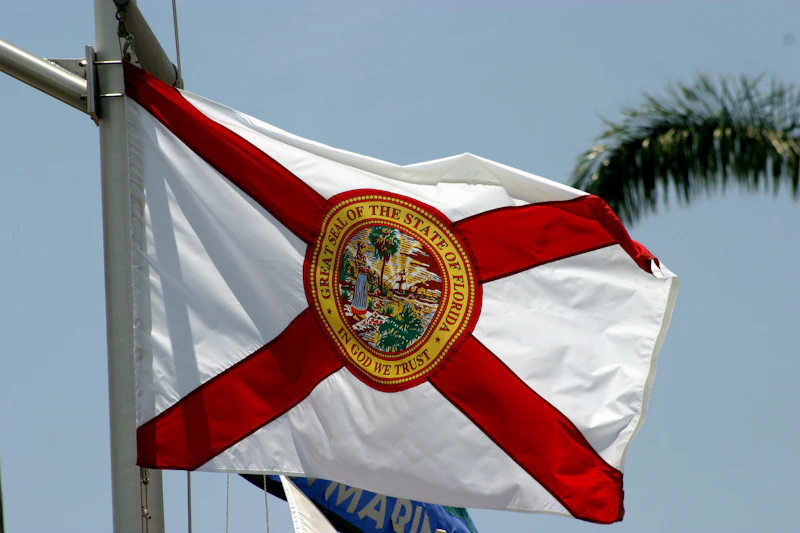
A high-stakes legal battle is unfolding in a Florida courtroom, pitting former President Donald Trump against the British Broadcasting Corporation. The BBC has formally moved to have Trump’s staggering $5 billion defamation lawsuit dismissed, arguing the court holds no power over the UK-based public broadcaster. This preemptive strike sets the stage for a complex jurisdictional clash with profound implications for international media law.

The Core of the BBC’s Defense
Legal documents reveal the BBC’s primary argument: the Florida court lacks “personal jurisdiction.” This legal doctrine requires a defendant to have sufficient minimum contacts with a state for its courts to exercise authority. The BBC contends its operations are fundamentally British. It argues that broadcasting into Florida via global distribution does not equate to conducting business there in a way that should subject it to local defamation laws.
Anatomy of a $5 Billion Claim
The lawsuit stems from a 2026 BBC documentary series titled “The Trump Story,” which examined the former president’s business practices and political rise. Trump’s legal team alleges the series contained “knowingly false” statements, damaging his reputation. The astronomical $5 billion figure underscores the claim’s severity, reflecting alleged harm to Trump’s brand and business prospects. Legal experts note such sums are exceptionally rare in defamation law.
The Murky Waters of International Jurisdiction
This case plunges into the challenging realm of cross-border litigation. The internet has erased traditional media boundaries, creating legal gray areas. Can a publication based in London be sued in Miami for content viewed online? The BBC will assert that holding foreign media accountable in every jurisdiction where content is accessible creates an impossible standard and chills global investigative journalism.
Legal Precedents and the ‘Libel Tourism’ Debate
Historically, plaintiffs have sometimes “forum shopped,” seeking courts with favorable laws—a practice dubbed “libel tourism.” The U.S., however, has stronger free speech protections than many countries, notably the U.K. The BBC may highlight this disparity, suggesting the suit is strategically filed in Trump’s home state. Key precedents, like the 2014 U.S. Supreme Court case *Daimler AG v. Bauman*, which limited general jurisdiction over foreign corporations, will likely be cited.
The BBC’s Operational Footprint Argument
To establish jurisdiction, Trump’s lawyers must prove the BBC “purposefully availed” itself of Florida. They might point to the BBC’s U.S. bureau, its commercial arm BBC Studios, or its content on American streaming platforms. The BBC’s counter will likely be that its core public service newsgathering is distinct from commercial targeting. Its presence, it will argue, is incidental, not a deliberate courtship of the Florida market.
Broader Implications for Global Media
A ruling against the BBC could send shockwaves through international news organizations. Foreign correspondents and publishers might face litigation worldwide, forcing costly legal defenses in multiple countries. This could deter robust reporting on global figures with interests in numerous jurisdictions. Media advocates warn of a chilling effect, where the threat of suit dictates editorial decisions in London, Tokyo, or Berlin.
Trump’s Legal Strategy and Defamation Hurdles
For Trump to succeed, he must eventually clear the high bar set for public figures in U.S. defamation law. Established in *New York Times v. Sullivan*, the standard requires proving “actual malice”—that the BBC knew its statements were false or acted with reckless disregard for the truth. The jurisdictional fight is a critical first gate; if the BBC clears it, the case may never reach the substantive allegations.
Potential Outcomes and Next Steps
The Florida judge will first rule on the dismissal motion. If denied, the case proceeds to discovery—a potentially drawn-out process. If granted, Trump’s team could appeal or refile in a different venue, such as a U.K. court or a U.S. federal court in New York, where the BBC has a larger operational presence. Each path presents distinct legal challenges and strategic calculations for both parties.
Conclusion and Future Outlook
This lawsuit transcends a personal dispute, evolving into a landmark test case for digital-age press freedoms. The court’s decision on jurisdiction will signal how easily foreign media can be hauled into domestic courts. Regardless of the outcome, the confrontation highlights the escalating legal pressures on global journalism and the enduring conflict between powerful individuals and investigative media in an interconnected world. The proceedings will be closely watched by newsrooms and legal scholars across the globe.