Introduction
The world’s oceans are the ultimate geopolitical chessboard, and America’s pieces are aging. As China launches naval vessels at a blistering pace, a clarion call echoes from Washington to rebuild the nation’s atrophied shipbuilding might. This isn’t merely an industrial policy—it’s a strategic imperative with the balance of global power hanging in the balance.

The Stark Reality of a Shrinking Fleet
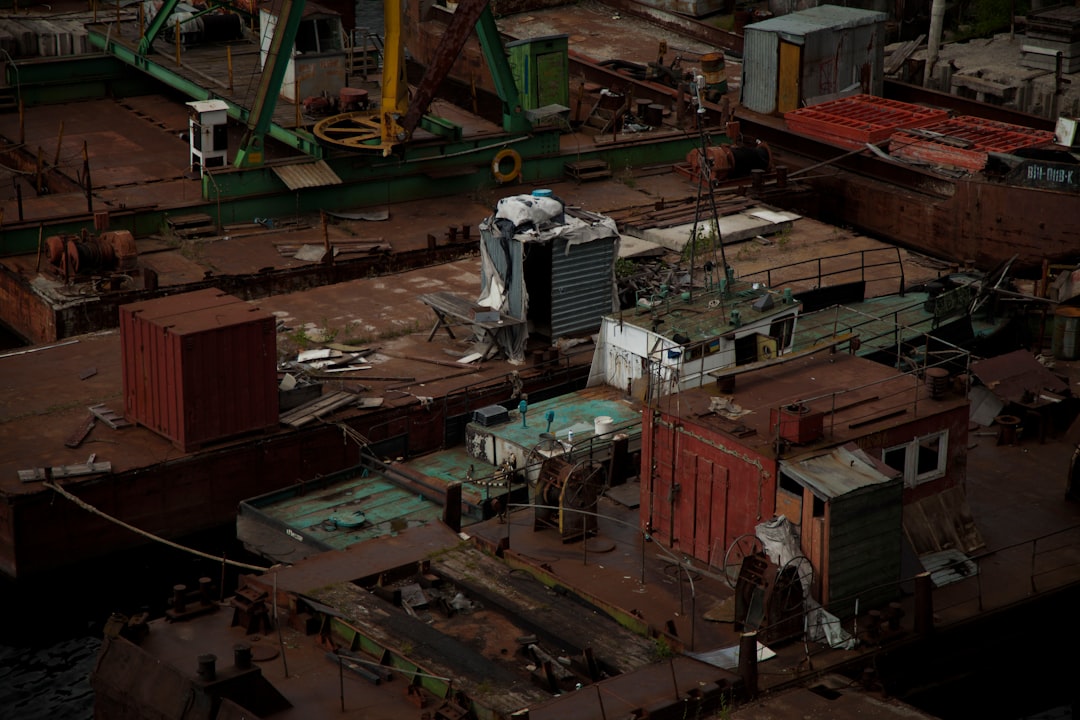
Today, the U.S. Navy’s battle force sits near 290 ships, a far cry from its Cold War zenith of nearly 600. Meanwhile, China’s People’s Liberation Army Navy has surged to become the world’s largest by number, boasting over 370 vessels. The disparity isn’t just in hulls; it’s in capacity. American shipyards, once the arsenal of democracy, now struggle with a constricted industrial base, skilled labor shortages, and brittle supply chains. A single Virginia-class submarine can require parts from over 3,000 suppliers across 45 states, a network vulnerable to a single point of failure.
More Than Steel: The Strategic Domino Effect
A weakened shipbuilding industry creates cascading vulnerabilities. It constrains America’s ability to project power, secure global trade routes, and honor defense commitments to allies from the South China Sea to the Baltic. Economically, it cedes high-tech manufacturing and thousands of stable, skilled jobs. The U.S. maritime sector supports over 650,000 jobs and contributes $42 billion to the GDP, but these figures are under immense pressure. National security experts warn that in a major conflict, the U.S. could struggle to replace lost vessels swiftly, a decisive disadvantage.
The Alliance Imperative
Revival cannot be a solo mission. Key allies like Japan and South Korea operate some of the world’s most efficient, technologically advanced commercial shipyards. Strategic partnerships could involve technology sharing, co-production of certain vessel components, or even directing allied commercial orders to U.S. yards to bolster their workload and efficiency. However, this requires navigating complex “Buy American” regulations and sensitive technology-transfer controls, a diplomatic tightrope walk between industrial protectionism and pragmatic collaboration.
Investing in the Dry Docks of Tomorrow
Sustained, predictable funding is the lifeblood of any shipbuilding surge. The Navy’s current 30-year shipbuilding plan is ambitious, but congressional budget battles often lead to stop-and-start procurement, crippling a yard’s ability to plan. Major capital investment is needed to modernize aging public shipyards like Pearl Harbor and Portsmouth, and to introduce digital manufacturing, robotics, and modular construction techniques in private yards. This technological leap is essential to compete with Asian rivals’ state-subsidized efficiencies.
The Human Element: Rebuilding a Workforce
The most formidable challenge may be human. The average shipyard worker is in their mid-50s, and the pipeline of welders, electricians, and naval architects is thin. A renaissance demands a national effort akin to a civilian merchant marine corps initiative, combining vocational training, apprenticeships, and competitive wages to attract a new generation. Without these skilled hands, blueprints remain just paper.
Conclusion: A Long Voyage Ahead
Restoring American shipbuilding preeminence is a decade-long endeavor, not a single presidential term. It demands a rare consensus in Washington for multi-year budgets, smart alliances that complement rather than undermine domestic capacity, and a societal commitment to maritime trades. The stakes extend beyond naval tonnage; they encompass economic resilience, technological edge, and the fundamental ability to shape a free and open international order. The course is charted, but the difficult work of rebuilding the ship has only just begun.