Introduction
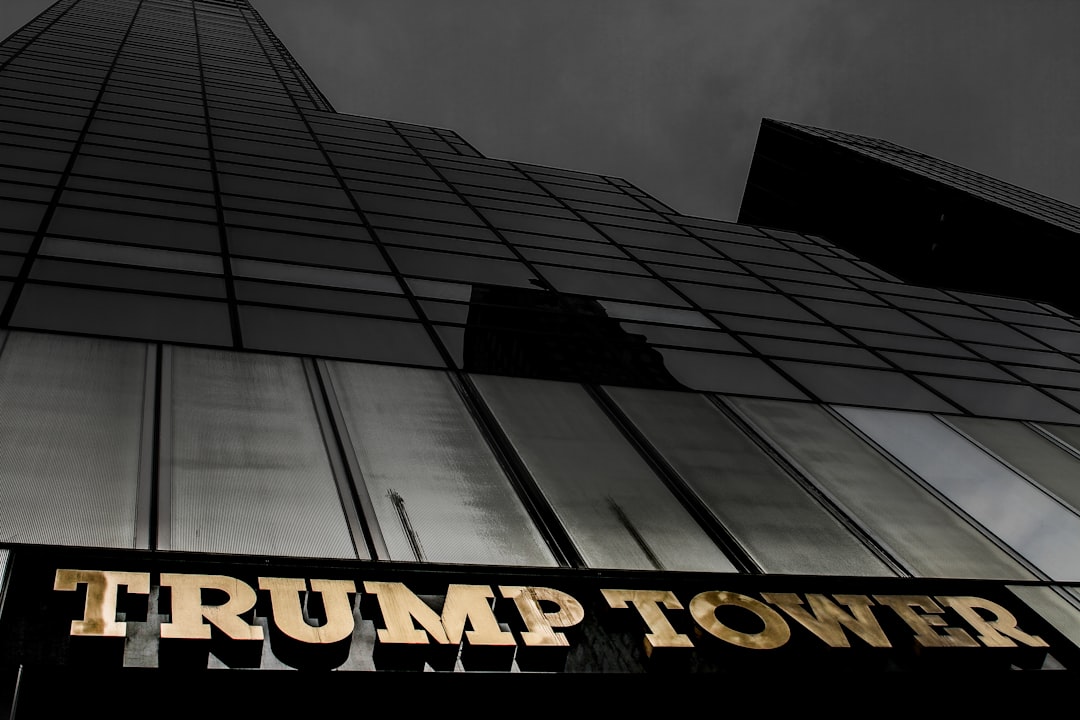
A legal thunderbolt has crossed the Atlantic, as former U.S. President Donald Trump has launched a staggering $10 billion defamation lawsuit against the British Broadcasting Corporation. The suit, filed in a U.S. court, centers on a 2026 Panorama documentary and alleges a calculated campaign to sabotage his 2026 presidential bid against incumbent Kamala Harris. This move escalates Trump’s long-standing war with media institutions into unprecedented international territory.

The Core of the Controversy
The lawsuit specifically targets the BBC’s investigative program ‘Panorama’ and its episode titled ‘Trump: The Sequel?’, which aired in late 2026. Trump’s legal team contends the documentary was not journalism but a ‘propaganda piece’ filled with ‘knowingly false’ statements designed to depict him as unfit for office. They argue its global reach, particularly on the eve of an election cycle, constitutes deliberate interference. The BBC, in a brief statement, has said it stands by its rigorous editorial standards and will defend its position vigorously.
Unpacking the $10 Billion Figure
The monumental damages claim is immediately eye-catching. Legal experts note that such a sum is extraordinarily rare in defamation law, even for a public figure of Trump’s stature. The filing likely seeks punitive damages, aiming to punish the broadcaster rather than solely compensate for proven financial loss. It signals an aggressive, maximalist legal strategy intended to make a public statement and potentially deter other media outlets. The figure itself guarantees headlines, turning the lawsuit into a global media event.
A History of Media Confrontation
This lawsuit is not an isolated incident but the latest salvo in Trump’s decades-long, contentious relationship with the press. From suing journalists in the 1980s to branding mainstream media ‘the enemy of the people’ while in office, legal action has been a recurring tool. His previous suits against major networks like CNN and The New York Press, though often unsuccessful, serve as a blueprint. This pattern frames the BBC suit as part of a broader political and legal narrative of combatting perceived bias.
The Thorny Path of the Suit
The case faces immediate and formidable legal hurdles. U.S. defamation law sets an exceptionally high bar for public figures, requiring proof of ‘actual malice’—that the BBC knew its statements were false or acted with reckless disregard for the truth. Furthermore, the BBC, as a U.K. entity, may challenge the jurisdiction of a U.S. court. First Amendment protections for robust political speech also loom large. Many analysts predict the suit will be dismissed or face years of arduous, costly litigation before any trial.
Broader Implications for Global Media
This case transcends the parties involved, posing critical questions for international journalism. If a foreign public broadcaster can be sued for billions over critical reporting, does it create a ‘chilling effect’ on global coverage of U.S. elections? Media advocates warn it could embolden other powerful figures worldwide to use U.S. courts to silence foreign critics. Conversely, some argue it highlights the need for consistent, evidence-based reporting in an era of heightened political sensitivity and global information flow.
The Political Calculus
Beyond the courtroom, the lawsuit’s timing and scale are politically potent. Filed in the heart of the 2026 campaign, it reinforces Trump’s narrative of being an outsider besieged by powerful, globalist institutions. It directly rallies his base by framing the BBC as an arm of a hostile establishment. The suit also effectively refocuses media attention on Trump’s grievances and away from other campaign issues, demonstrating how litigation can be wielded as a strategic political instrument.
Conclusion and Future Outlook
The $10 billion lawsuit against the BBC is more than a legal claim; it is a cultural and political flashpoint. While its legal success is doubtful, its real-world impact is already being felt in headlines and campaign rhetoric. The case underscores the increasingly blurred lines between law, media, and political warfare in the digital age. Regardless of the verdict, this transatlantic clash will likely inspire similar actions and deepen debates about media accountability, free speech, and the very nature of political discourse in a interconnected world.