5 min read • 841 words
Introduction
In the bustling heart of Dhaka, a political revolution is unfolding not with rallies, but with promises of loans, jobs, and overseas scholarships. As Bangladesh’s major parties pivot decisively toward its massive youth demographic, a critical question emerges: Are these ambitious pledges a genuine roadmap to prosperity or merely transactional tools in a high-stakes electoral game? The credibility of the nation’s political future hangs in the balance.

The Demographic Imperative
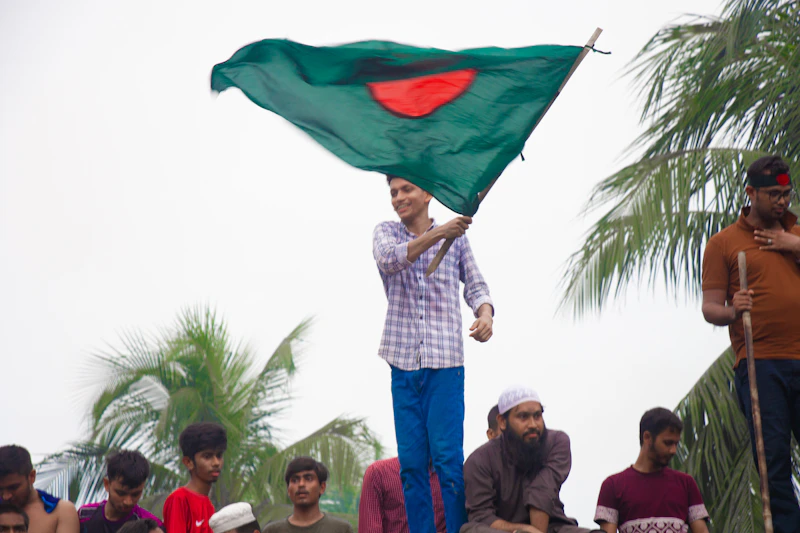
With over one-third of its 170 million people aged between 15 and 30, Bangladesh isn’t just a young country; it’s a nation whose political stability is intrinsically tied to youth aspirations. This demographic isn’t a monolith but a powerful, digitally-connected force increasingly disillusioned by traditional politics. Their primary concerns are starkly economic: securing dignified employment, managing soaring living costs, and accessing capital for entrepreneurship in a competitive market.
This ‘youth bulge’ represents both an unprecedented opportunity and a potential peril. A productive, employed young population could propel Bangladesh toward its vision of becoming a developed nation by 2041. Conversely, widespread youth frustration poses a significant risk to social cohesion. Political strategists recognize this, crafting manifestos that speak directly to economic anxiety with targeted financial incentives.
The Promise Portfolio: Loans, Jobs, and Global Passports
The Awami League’s manifesto reads like a venture capitalist’s playbook for a generation. It promises to transform young “job seekers into job creators” through a substantial fund offering low-interest startup loans. Complementing this is a pledge of specialized training for one million young people in high-tech sectors like IT and artificial intelligence, aiming to align the workforce with future global demands.
Not to be outflanked, the Bangladesh Nationalist Party (BNP) and its allies counter with their own suite of financial enticements. Their commitments include interest-free educational loans, a dedicated youth entrepreneurship fund, and a striking guarantee of overseas employment or training for 100,000 individuals annually. This direct appeal to global mobility taps into a deep-seated desire among many Bangladeshi youth to gain international experience and remit earnings home.
The Credibility Gap and Historical Baggage
However, a palpable skepticism tempers the enthusiasm for these pledges. Past election cycles are littered with ambitious promises that faded once the ballots were counted. Many young voters recall previous assurances of employment generation that failed to materialize at the promised scale, leading to a ‘promise fatigue.’ This history creates a formidable credibility gap that parties must urgently bridge.
The challenge is systemic. Bangladesh’s economy, while showing remarkable growth in GDP, has struggled to generate sufficient formal sector jobs to absorb the nearly two million young people entering the workforce each year. The much-discussed “demographic dividend” risks becoming a demographic disaster if job creation doesn’t accelerate dramatically. Promises must now be backed by clear, actionable, and funded policy blueprints.
Beyond Cash: The Demand for Systemic Change
Interviews with university students and young professionals reveal a nuanced electorate. While financial support is welcome, there’s a growing demand for deeper, structural reforms. Young voters increasingly prioritize meritocracy over patronage, transparency in governance, and a crackdown on the corruption that stifles fair opportunity. They seek an ecosystem where success is determined by skill and effort, not political connections.
Furthermore, issues like educational curriculum reform, climate justice—Bangladesh is on the front lines of the climate crisis—and digital rights are rising on the youth agenda. The parties’ purely economic overtures may miss the mark if they fail to address this broader craving for a more equitable and progressive society. The youth vote is becoming more issue-based and less easily bought.
The Global Precedent and Local Realities
This phenomenon isn’t unique to Bangladesh. From India to Kenya, political parties worldwide are tailoring campaigns to capture the youth vote with economic pledges. The difference in Bangladesh lies in the scale of the demographic pressure and the intensity of the political rivalry. The success of these promises hinges on intricate factors: global economic stability, the health of the remittance economy, and the government’s ability to foster a genuinely innovation-friendly business environment.
Experts note that simply dispensing loans is insufficient without parallel investments in infrastructure, regulatory simplification, and market access. A young entrepreneur with a loan but no protection from bureaucratic harassment or no reliable electricity will likely struggle. The promises, therefore, must be part of a holistic strategy for economic enablement.
Conclusion: A Referendum on Trust and the Future
The ultimate verdict on Bangladesh’s youth-centric pledges will be delivered not just at the ballot box, but in the years that follow. The 2026 electoral battle has set a new precedent, forcing a laser focus on youth empowerment. Whether these commitments evolve into transformative policies or become forgotten footnotes will define Bangladesh’s trajectory for decades.
The youth themselves are watching, their patience wearing thin. The party that can translate compelling campaign rhetoric into tangible, measurable economic outcomes will not only win elections but could potentially unlock the vast potential of a generation. The alternative—a legacy of broken promises—risks fostering a deep and lasting alienation that no future loan or scholarship may easily repair. The gamble is monumental, and the stakes are nothing less than the nation’s future.