3 min read • 582 words
Introduction
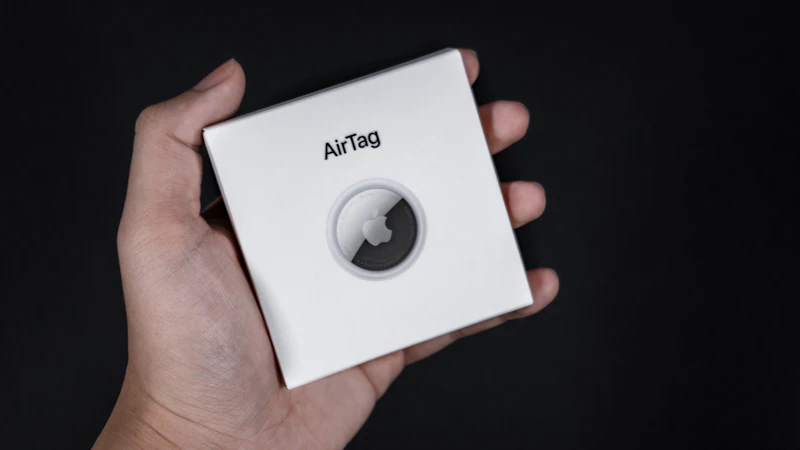
In a move that has savvy shoppers and tech enthusiasts buzzing, Apple’s quiet launch of a second-generation AirTag has sent ripples through the retail market. The immediate consequence? A dramatic price plunge for the original model, now available at discounts approaching 30 percent. This strategic shift creates a compelling crossroads for consumers: embrace the latest innovation or capitalize on a suddenly budget-friendly classic.

The New Guard: What AirTag 2 Brings to the Table
While Apple has been characteristically tight-lipped on full specifications, industry insiders and early reports suggest the AirTag 2 represents a meaningful, if iterative, upgrade. The core promise remains—a sleek, coin-sized device that leverages the vast Find My network to locate lost items. However, the new model is rumored to feature enhanced ultra-wideband precision for even more accurate “right-here” finding, potentially improved battery life, and a new chipset for faster connectivity. For the perpetually forgetful, these refinements could be a game-changer.
A Clearance Bonanza for the First Generation
The spotlight, for now, is firmly on the original AirTag. Major retailers and Apple’s own refurbished store have swiftly slashed prices, with single tags dropping to around $24 and four-packs nearing $80. This isn’t a minor sale; it’s a strategic clearance to make room for new inventory. For millions of iPhone users who haven’t yet dipped their toes into the tracking ecosystem, this presents an unprecedented opportunity. The core functionality—finding keys, bags, or remote controls—remains robust and fully supported.
Consumer Calculus: Upgrade or Economize?
The decision between old and new hinges on need versus value. The first-generation AirTag solved a fundamental problem with remarkable efficiency. If your primary requirement is simply to know if your backpack is at the office or in the back of a rideshare, the discounted model is a phenomenal buy. It integrates seamlessly with existing Apple devices and utilizes the same powerful, crowdsourced network. The AirTag 2, likely priced at the original’s $29 launch point, appeals to early adopters and those who crave the absolute latest in precision tracking technology.
Context: A Crowded and Competitive Market
Apple’s pricing move must be viewed against a backdrop of intense competition. Tile, Chipolo, and Samsung’s Galaxy SmartTag2 have long contested the space, often competing on price and cross-platform compatibility. By discounting the first AirTag, Apple directly undercuts these rivals on cost for its massive iPhone user base. This aggressive pricing strategy isn’t just about clearing stock; it’s a calculated play to dominate the lower tier of the market and lock more users into the Find My ecosystem before they consider alternatives.
The Broader Impact on Tech Consumption
This scenario exemplifies a modern tech industry ritual: the calculated obsolescence dance. A new product launch instantly re-frames its predecessor as a “budget” option, extending its lifecycle and appealing to a new demographic. It creates a stratified market where both the cutting-edge and the practical can thrive. For consumers, it’s a reminder that in technology, “old” rarely means obsolete—especially when the older model suddenly becomes a steal.
Conclusion and Future Outlook
The arrival of AirTag 2 has, perhaps ironically, made the original tracker more attractive than ever. For the foreseeable future, a two-tier tracking market will exist within Apple’s walled garden: the premium, precise new generation and the now-discounted, thoroughly proven original. This move will likely accelerate the adoption of item trackers as a whole, pushing them further toward mainstream necessity. As the holiday season approaches, the discounted AirTag stands not as outdated tech, but as one of the most intelligent and affordable entry points into Apple’s interconnected world.