4 min read • 665 words
Introduction
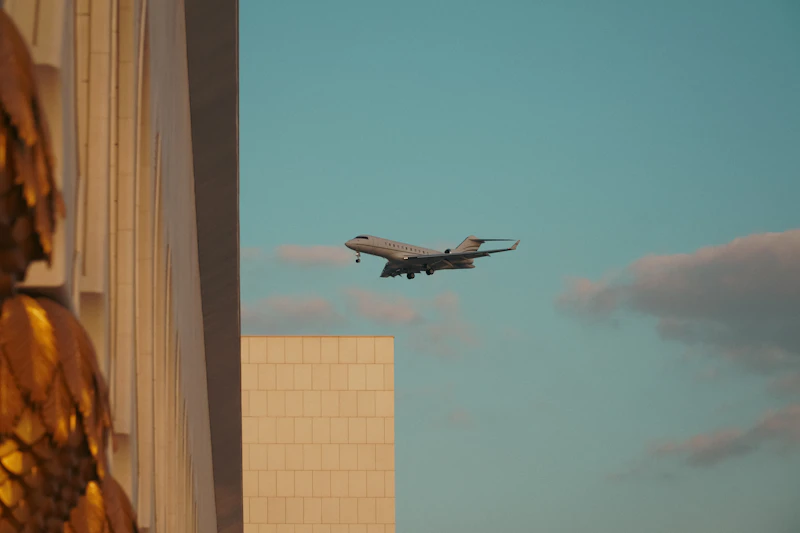
A high-stakes diplomatic mission was unexpectedly grounded Tuesday evening. Air Force One, carrying former President Donald Trump to the World Economic Forum in Davos, executed a dramatic mid-flight reversal over the Atlantic. The iconic blue-and-white jet, a symbol of American executive power, turned back toward Washington, D.C., leaving a swirl of questions in its wake about the nature of the urgent development that prompted the return.

The Aborted Journey
The modified Boeing 747-200B, call sign “Air Force One” when the president is aboard, departed Joint Base Andrews under standard protocol. Its destination: a gathering of global elites in the Swiss Alps. However, several hours into the transatlantic flight, the aircraft altered its course. Aviation trackers and official sources confirmed the plane landed back at Andrews, where it remained for several hours before a subsequent, successful departure just after midnight Wednesday.
Official Silence and Speculation
The immediate aftermath was marked by a characteristic silence from the White House and Trump’s team. No official statement detailed the reason for the about-face, fueling intense speculation. In the absence of facts, theories proliferated. Analysts suggested possibilities ranging from a critical mechanical issue—though rare given the aircraft’s meticulous maintenance—to a sudden, pressing security briefing that required the president’s immediate attention on home soil.
The Davos Context: A Pivotal Forum
The aborted trip underscored the high-profile nature of the Davos forum. The annual meeting is a nexus for world leaders, corporate titans, and financiers to shape the global economic agenda. Trump’s planned attendance was seen as a significant moment, offering a platform to articulate his “America First” policies directly to an international audience often skeptical of them. His absence, even temporary, disrupted a key diplomatic and economic outreach opportunity.
Logistical and Security Implications
An Air Force One reversal is a monumental logistical undertaking. It involves recalculating global air traffic control corridors, mobilizing security at the return point, and recrafting the intricate travel bubble that surrounds a U.S. president. The Secret Service and White House Military Office must scramble to re-secure routes and venues. Such an event highlights the immense, real-time coordination required for presidential travel, where every minute change creates a cascade of operational adjustments.
Historical Precedents for Presidential Flight Changes
While uncommon, presidential flights have been altered before. Historical records show changes due to severe weather, mechanical caution, and evolving international crises. Each incident is treated with utmost seriousness, as the safety and continuity of government are paramount. This event joins a discreet list of occasions where the nation’s most visible aircraft has had to deviate from its published path, reminding the public of the unpredictable demands of the office.
The Resumed Mission
After a delay of several hours, a determined departure occurred. The president resumed his journey on a Boeing 757, a smaller aircraft often used for shorter trips. This switch itself prompted questions, though it may have been a simple matter of crew scheduling and aircraft readiness following the unexpected return. The eventual arrival in Europe signaled a commitment to fulfill the diplomatic engagement, albeit on a compressed timeline.
Analysis: Perception and Protocol
The incident serves as a case study in the theater of modern presidency. Every movement of Air Force One is a communication. An unscheduled return broadcasts a message of disruption, whether intended or not. It forces the world to wonder what the commander-in-chief knows that they do not. In this case, it momentarily shifted focus from the Davos agenda to the stability and decision-making processes within the White House, demonstrating how travel logistics can influence global perception.
Conclusion and Outlook
The Air Force One reversal will be a brief footnote in presidential history, but it illuminates the relentless unpredictability of leading a nation. It underscores that even the most meticulously planned global diplomacy can be superseded by emerging events. As world leaders increasingly operate in a real-time, crisis-responsive mode, such abrupt changes may become less anomalous. The event ultimately reaffirms that the trajectory of presidential travel, much like policy, is subject to sudden and necessary correction.