5 min read • 908 words
Introduction
In a bold legal maneuver, the British Broadcasting Corporation (BBC) is seeking to extricate itself from a $5 billion defamation lawsuit filed by former U.S. President Donald Trump. Court documents reveal the broadcaster’s core strategy: arguing that a Florida court has no authority over the U.K.-based public service entity. This sets the stage for a complex international legal battle with profound implications for global media.

The Core of the BBC’s Defense
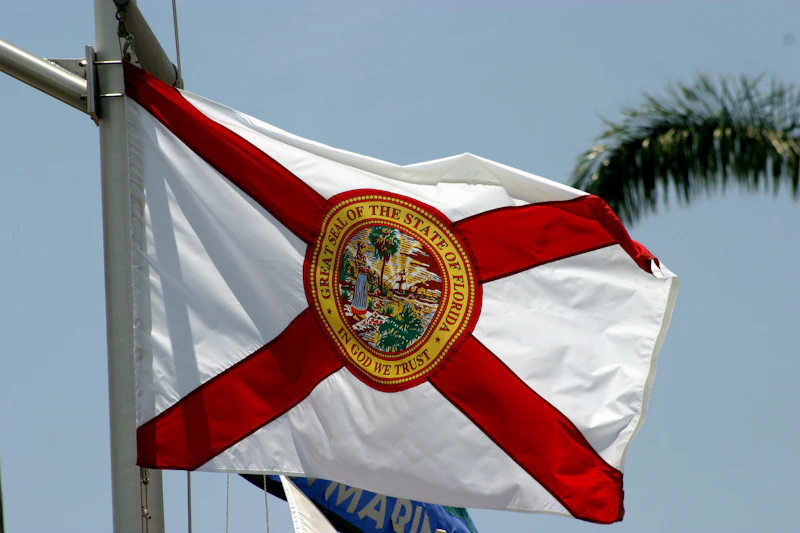
The BBC’s motion, filed in a Fort Pierce, Florida federal court, hinges on the legal principle of “personal jurisdiction.” Simply put, the corporation contends it lacks sufficient contacts with the state of Florida to be hauled into its courts. The BBC is a U.K. entity funded by British license fee payers, with its principal operations and editorial decisions made in London.
Legal experts note that establishing jurisdiction requires demonstrating a defendant purposefully directed activities at the forum state or availed itself of its laws. The BBC will likely argue its global news reporting, accessible worldwide via the internet, does not constitute targeting Florida specifically. This is a common defense for international media facing U.S. lawsuits.
Context of the Defamation Claim
President Trump’s lawsuit, filed in 2026, stems from a BBC documentary series titled “The Trump Show” and related reporting. The suit alleges the broadcaster published false and defamatory statements, damaging his reputation. The staggering $5 billion damages claim underscores the suit’s aggressive nature, reflecting a pattern of legal challenges by Trump against media outlets he accuses of unfair coverage.
This case is not an isolated event. It follows a series of high-profile defamation actions brought by Trump, including suits against CNN and The New York Times, with mixed results. These legal efforts are widely viewed as part of a broader confrontation with mainstream media, often labeled “fake news” by the former president.
The High Bar for Defamation of a Public Figure
Even if the BBC fails to dismiss the case on jurisdictional grounds, Trump faces a formidable legal standard. As a quintessential public figure, he must prove “actual malice”—that the BBC knowingly published false information or acted with reckless disregard for the truth. This precedent, set by the landmark 1964 Supreme Court case New York Times Co. v. Sullivan, strongly protects robust political reporting.
Legal analysts suggest the actual malice hurdle is exceptionally high. The BBC’s defense would center on its journalistic processes, demonstrating its reporting was based on verified sources and constituted protected speech on matters of public concern. Proving billions in damages would require extraordinary evidence of direct financial harm.
International Implications and the ‘Libel Tourism’ Concern
This case touches on sensitive issues of legal overreach and “libel tourism”—where plaintiffs shop for favorable jurisdictions. A U.S. court asserting authority over a foreign public broadcaster for content produced abroad could set a troubling precedent. It might encourage defamation suits worldwide against U.S. media in foreign courts, potentially chilling investigative journalism.
The BBC’s stance defends a principle crucial to global media: that news organizations should generally be accountable in their home countries under local press laws. The outcome could influence how international borders are navigated in the digital age, where content is globally accessible but legally rooted in its place of publication.
The Strategic Calculus of Legal Motion Practice
Filing for dismissal on jurisdictional grounds is a standard, yet strategic, first move in high-stakes litigation. It allows the BBC to challenge the suit’s foundation without immediately delving into the factual merits of the defamation claims. A successful motion would end the case swiftly, saving immense legal costs and avoiding a protracted discovery process that could involve demanding internal editorial communications.
For Trump, the lawsuit serves political and rhetorical purposes regardless of legal outcome. It reinforces his narrative of being persecuted by media elites and mobilizes his base. The jurisdictional fight, while technical, is a critical preliminary skirmish that will determine whether the substantive battle over the BBC’s reporting ever begins.
Broader Media Landscape and Chilling Effects
The specter of a $5 billion lawsuit, even if unlikely to succeed, casts a long shadow. For newsrooms, the immense cost of defending against such suits—in time, resources, and insurance premiums—can itself be punitive. Observers warn that an unfavorable ruling for the BBC could empower other powerful figures to file similar suits, using legal costs as a weapon to pressure critical journalism.
Conversely, media advocates argue that robust defenses are essential to preserve the freedom to report on powerful individuals without fear of financially crippling retaliation. The BBC, as a publicly funded institution with a global reputation, is in a unique position to mount a vigorous defense that smaller outlets might not afford.
Conclusion and Future Outlook
The BBC’s motion to dismiss marks the opening chapter in a legal saga intersecting media law, international jurisdiction, and political conflict. While the Florida court’s decision on jurisdiction is pending, the case highlights the enduring tensions between global press freedom and individual reputation rights in an interconnected world. Regardless of the initial ruling, appeals are likely, promising a lengthy legal journey.
The final outcome will resonate far beyond this single lawsuit. It will signal how courts balance the reach of U.S. law against the operations of foreign media, and test the resilience of legal safeguards for reporting on public figures. In an era of rampant misinformation and deep political division, the principles at stake—of accountability, jurisdiction, and protected speech—have never been more critical for democratic discourse.